

Maintenance and Breakdown
Support, API Plant
An API manufacturing plant needed its installed fire systems kept in service, new project work taken on, and somebody who would actually turn up when something failed.
What the Site Needed
Fire systems on a working plant do not stay reliable on their own. Detectors drift, batteries age, devices get knocked during other trades' work, and a system nobody tests is a system nobody can rely on when it matters.
The site wanted all three things from one contractor: planned maintenance that keeps the installation in service, a response when something breaks outside that schedule, and the capacity to take on new project work as the plant changed.
The client's name is withheld. The scope and the outcome come from the written testimonial they gave us; the stages below describe how we delivered it.
- A live plant Work had to fit around production rather than the other way round.
- Response time matters A fault on a fire system is not something that waits for the next scheduled visit.
- One accountable party Projects, maintenance and breakdowns handled by the same team, not passed between three.
- Evidence of testing Every visit has to leave a record the site can produce when asked.
How We Solved It
Four stages, running continuously rather than once.
Take stock of what is installed
Before taking anything on we record what is on site, by system and by model, and establish what state it is actually in.
Agree the schedule
A maintenance programme set against what the installation needs and what the standards expect, with visit dates agreed around the plant's calendar.
Service and test to it
Scheduled inspection and functional testing, with faults found during a visit raised and quoted rather than written down and left.
Answer the breakdown calls
Attendance between scheduled visits when something fails, by engineers who already know the installation because they maintain it.
Systems Covered
The AMC covers the installed systems on site, whoever originally supplied them.
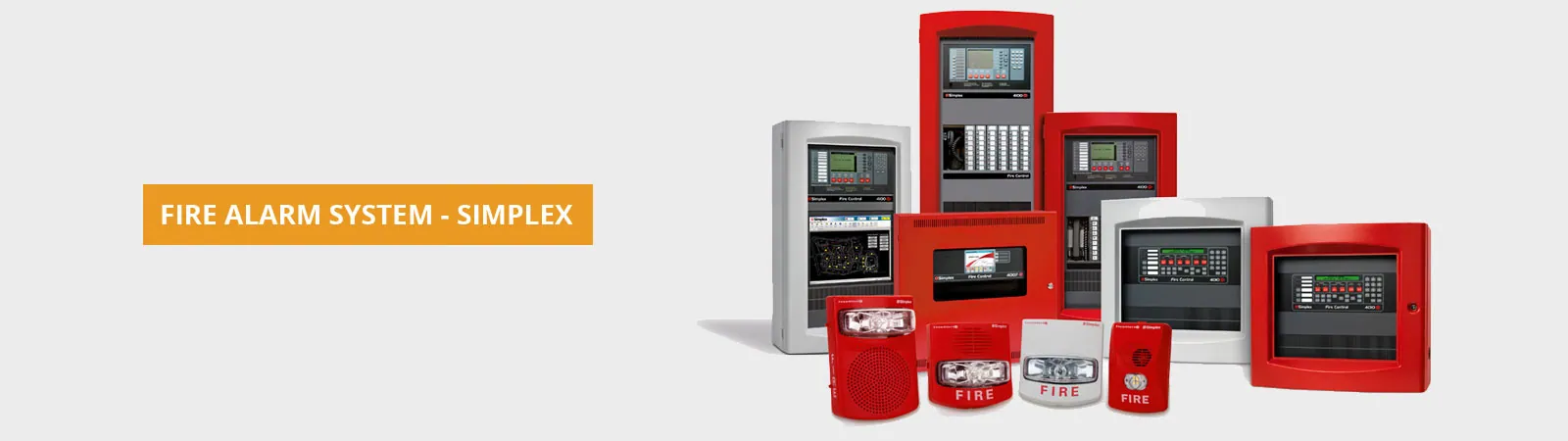
Addressable Fire Alarm Systems
The system everything else waits on — addressable panels, detectors and notification devices…
Solution detail
Clean Agent Gas Suppression Systems
Put the fire out without destroying what it has not reached — inert gas and Novec 1230 systems…
Solution detail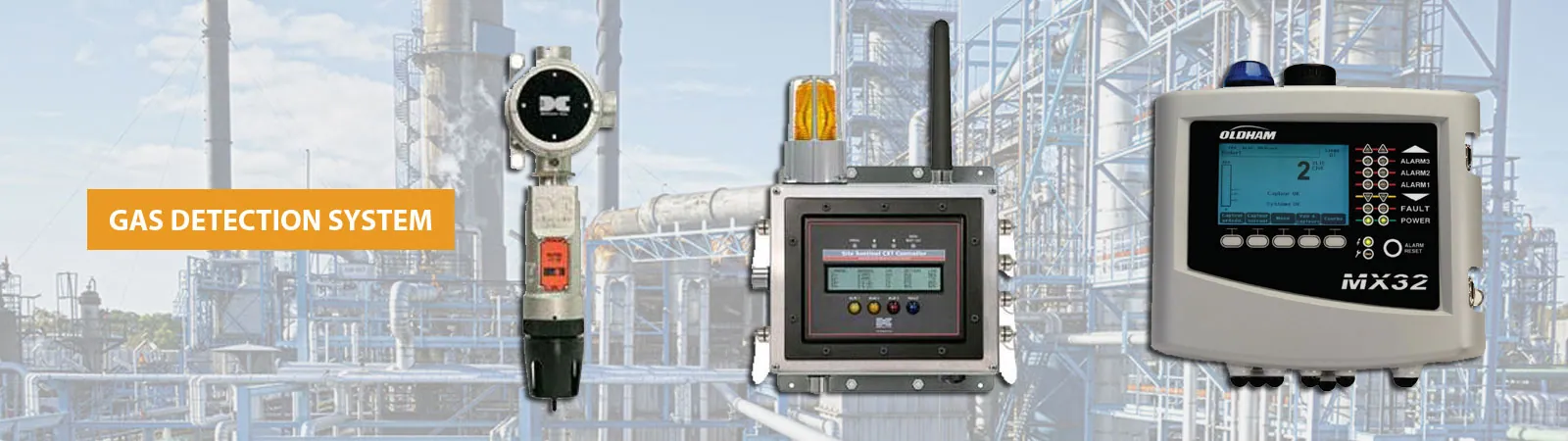
Fixed Gas Detection Systems
Know a concentration is rising while it is still a ventilation problem — fixed toxic and…
Solution detailWhat the Client Gets Each Visit
- A visit report What was tested, what passed, and what did not.
- A fault list Anything found, with what it will take to put right.
- Updated test records A running history, so the system's condition can be evidenced over time.
- Device-level results Testing recorded per device, not as a single line saying the system works.
- Spares position What is held, what is obsolete, and what should be stocked.
- A named engineer The same people, who know the site rather than reading it cold.
Is Your Fire System Actually Being Tested?
Tell us what is installed and we will tell you what a proper maintenance programme for it looks like.