

Continuous coverage
No gaps between devices, so the whole run is protected equally.
Make the cable the detector — continuous heat sensing along conveyors, cable trays, tunnels and cold stores, where spot devices cannot reach.
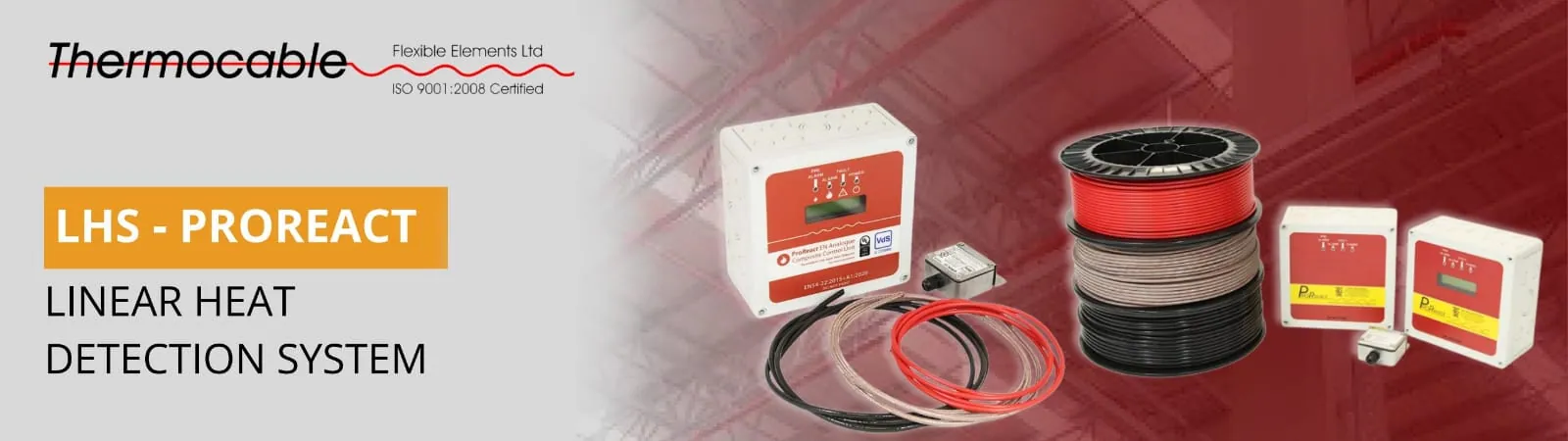
Some of the places most likely to start a fire are the places you cannot sensibly mount a detector. A conveyor runs for hundreds of metres. A cable tray threads through voids and risers. A tunnel has no usable ceiling and a constant draught through it.
Linear heat detection makes the cable itself the sensor. It is run along the asset being protected, and every metre of its length is sensing. A hot spot anywhere on the run triggers the system, so coverage follows the risk exactly instead of approximating it with devices at intervals.
Detection cable is installed along the asset, following the actual risk.
Heat anywhere on the run changes the cable's electrical or optical behaviour.
Analogue and fibre systems report the approximate distance to the hot spot.
The controller signals the fire alarm panel and can stop the conveyor or plant.
No gaps between devices, so the whole run is protected equally.
A seized roller or overheating cable is found where it fails, not when smoke travels.
Analogue and fibre types report where the heat is, so you are not walking the full run.
Dust, wash-down, vibration and temperature swings are normal duty.
No optical chamber and no alignment to maintain once installed.
Interfaces to the fire panel, conveyor stop and process shutdown.
Linear heat detection is specified where the risk runs along something long and awkward, and spot detection would either miss it or be impossible to maintain.
Belt runs where a seized roller is the usual ignition source.
Industry detailCable runs in voids and risers where fire spreads along the route.
Industry detailLow temperatures and in-rack runs that defeat point detection.
Industry detailLarge, open, draughty structures with vehicles present.
Industry detailOutdoor runs where smoke disperses before anything detects it.
Industry detailLong, inaccessible structures with constant airflow.
Industry detailAlso used on escalators, transformer bays and baggage handling. Whether a fixed-temperature or a locating system is right depends on the length of the run and how costly it is to search it, which the site assessment establishes.
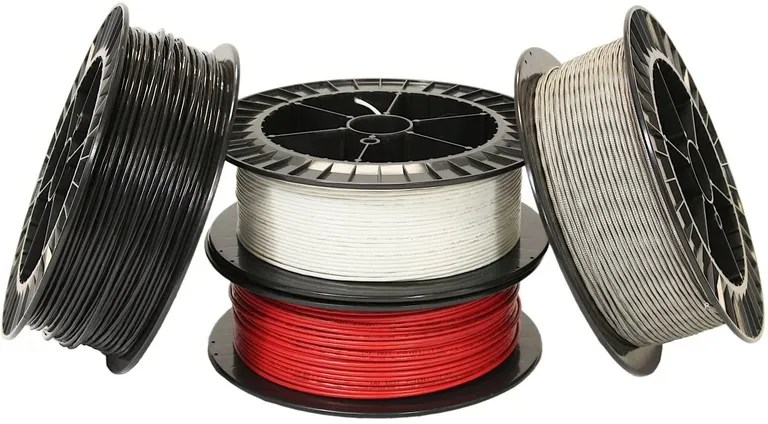
The linear heat detection range we are an authorised partner for.
This forms part of the building's fire protection installation, interfaced to the fire alarm control panel and to any linked response the project design calls for.
In India the installation sits within IS 2189 and Part 4 of the National Building Code (NBC 2016), and the completed system forms part of what your state fire service assesses for the fire NOC.
We confirm product approvals against the certification held by the specific model proposed, and against your consultant's specification and local statutory requirements.
What facility and project teams usually ask about linear heat detection.
Speak directly with one of our fire safety engineers.
Call +91 88795 33000Talk to our team about a linear heat detection solution routed to your asset and your operating environment.