

Guests who do not know the building
People asleep in an unfamiliar room will not evacuate themselves. The alarm has to do that work.
Guests who do not know the building, kitchens running most of the day, and banquet halls that fill up in minutes. We design, install and maintain the systems that find a fire early and get people out calmly.
A hotel is harder than most buildings for one simple reason: the people in it are asleep, or they are strangers to the building, or both. They will not find their own way out. The system has to tell them, clearly, and it has to do it early enough to matter.
Behind the guest floors sits the other half of the problem. Kitchens running gas and hot oil for most of the day. Laundries, stores and plant rooms. Banquet halls and atriums with ceilings far too high for ordinary detectors. Each of those needs a different answer, all on one system.
We work across city hotels and resorts, serviced apartments, banqueting and convention venues, and the central kitchens and back-of-house areas that serve them.
The six points we look at most closely when we survey a hotel.
People asleep in an unfamiliar room will not evacuate themselves. The alarm has to do that work.
Gas, hot oil and extract ducts running most of the day, in the part of the building with the highest fire load.
High ceilings where smoke cools and spreads out long before it ever reaches a detector.
A hall empty at four and full at seven changes what evacuation actually means.
Laundries, stores, plant rooms and electrical rooms, behind doors guests never see and staff rarely check.
For a hotel brand, an incident handled badly costs more than the damage does.
Most properties end up with a mix of these. Which ones you need, and where, comes out of the site visit.
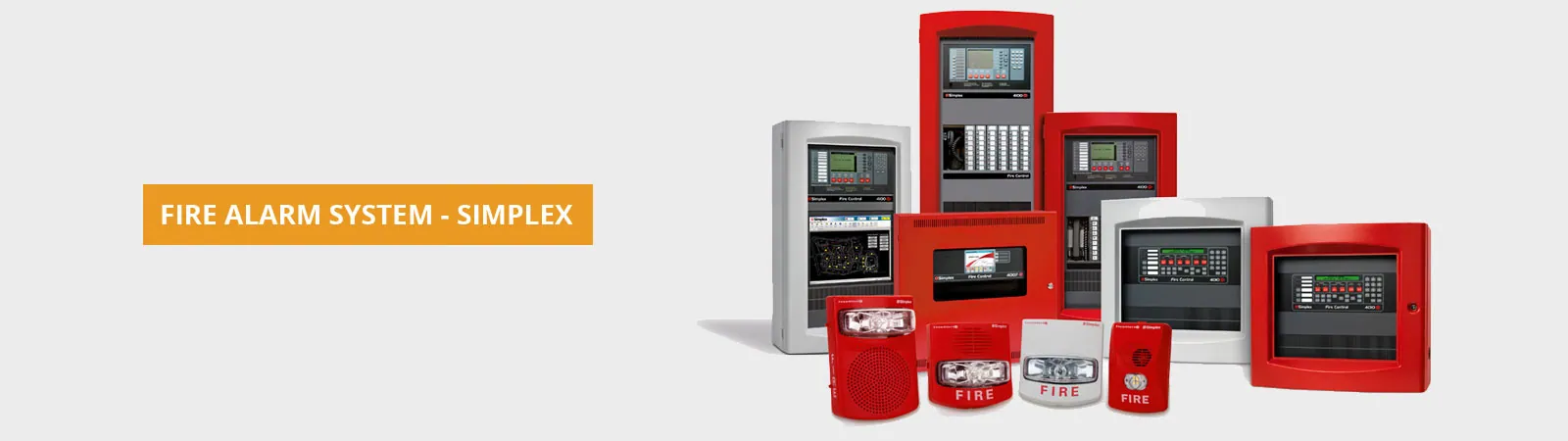
The system everything else waits on — addressable panels, detectors and notification devices…
Solution detail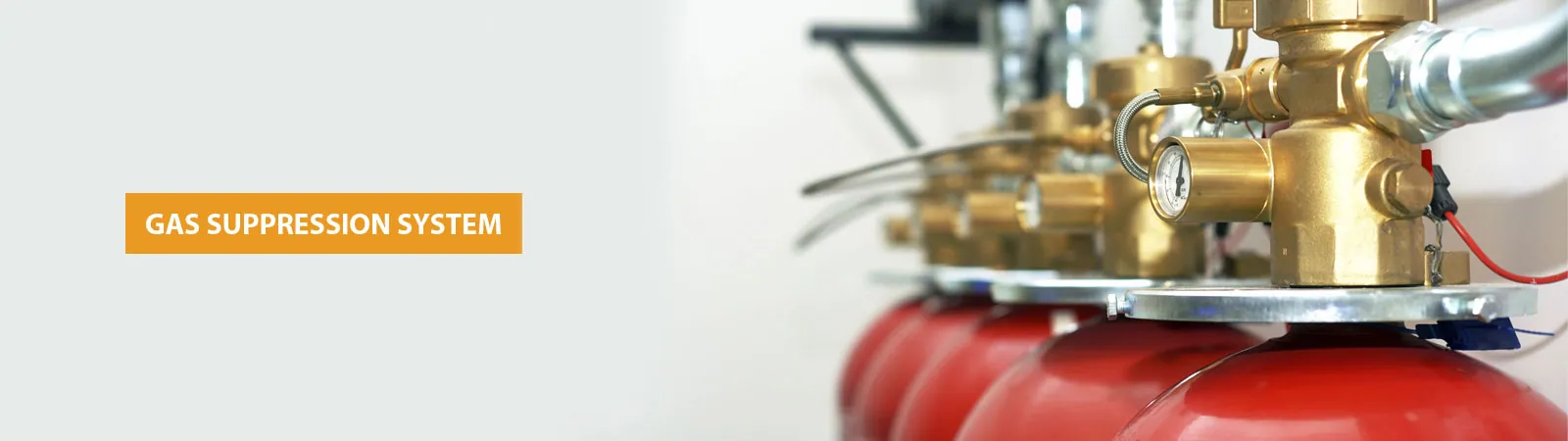
The layer that works with nobody present — wet, pre-action and deluge systems designed to your…
Solution detail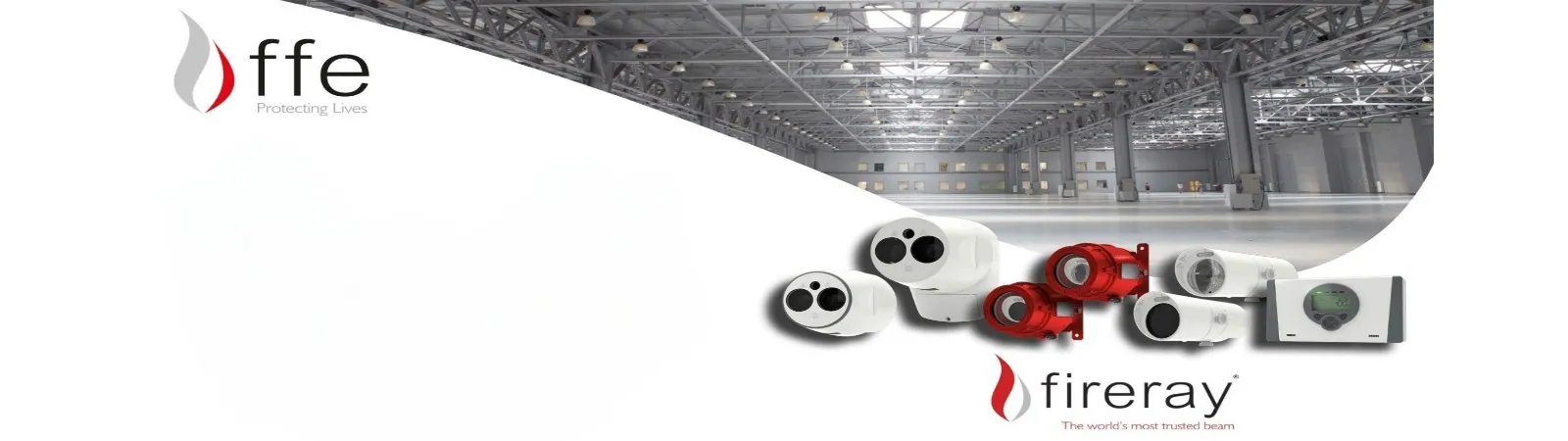
Cover large, tall volumes with a single detector — for warehouses, atriums and production halls…
Solution detail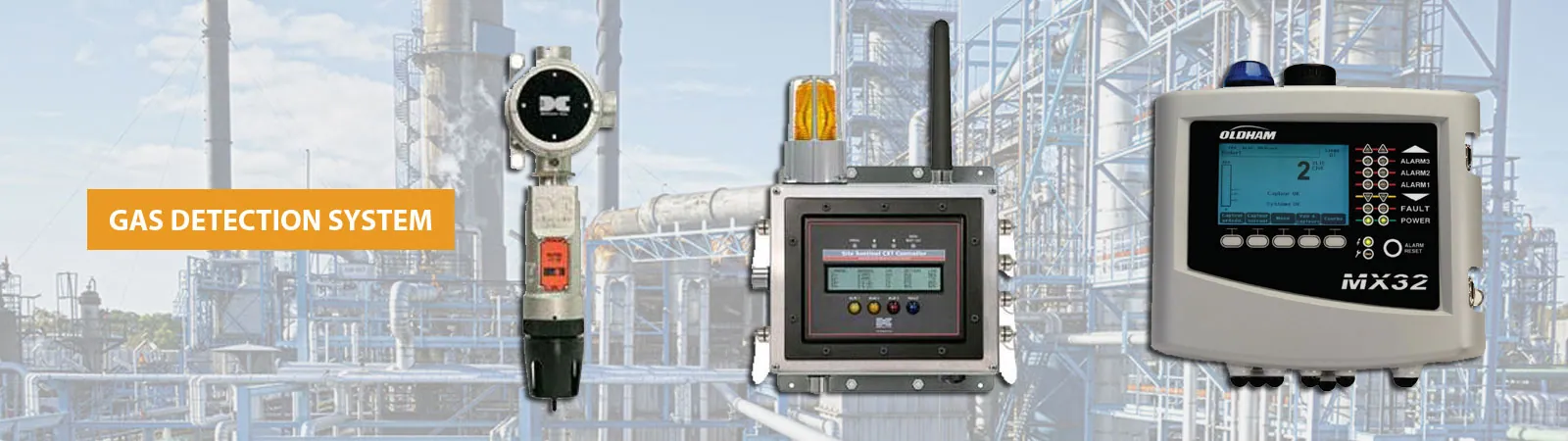
Know a concentration is rising while it is still a ventilation problem — fixed toxic and…
Solution detail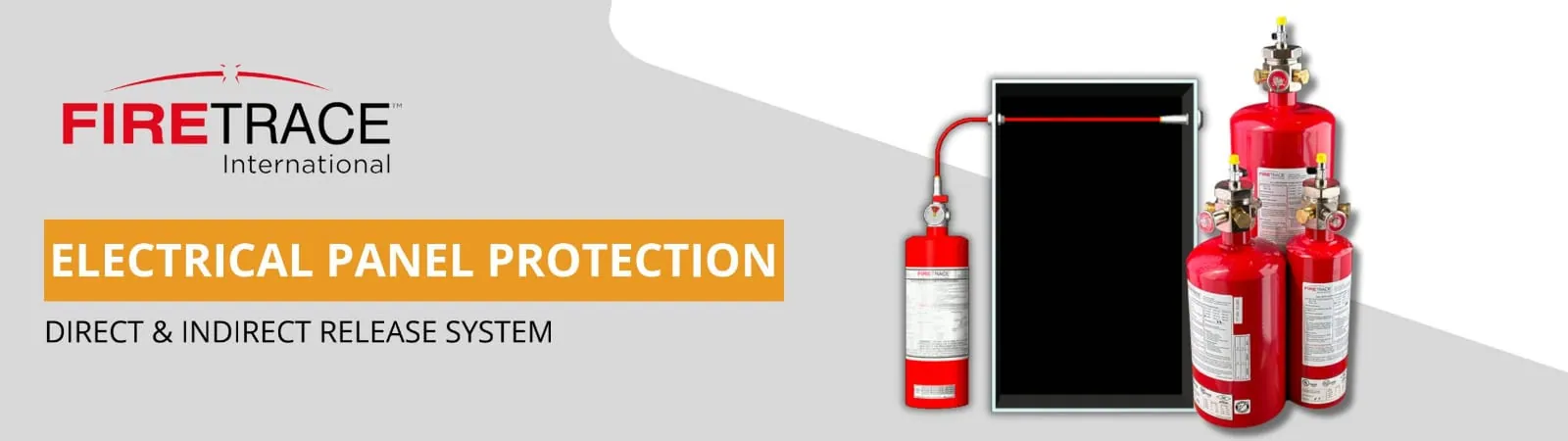
Deal with the fire inside the cabinet, in the first seconds — tube-based suppression that needs…
Solution detail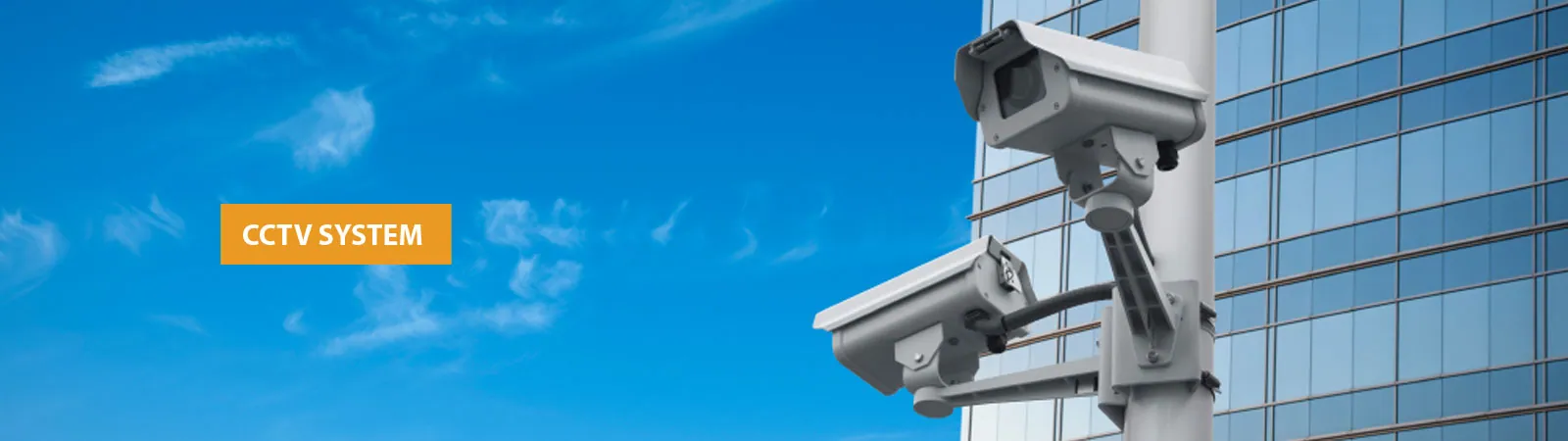
Know who could go where, and what actually happened — surveillance and access control that work…
Solution detailSupplied and commissioned by us, from the manufacturers we are partnered with. Each page carries that manufacturer's own product information and datasheets.
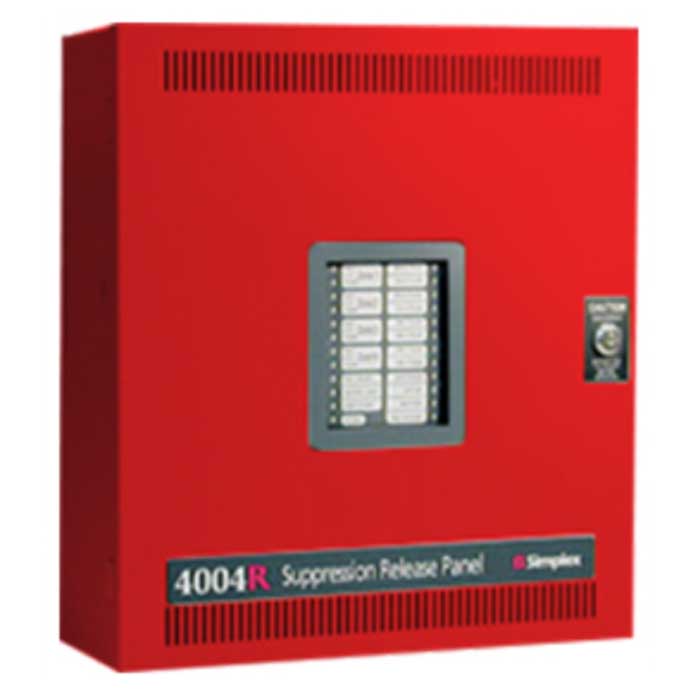
Intelligent fire detection and alarm solutions for modern buildings — addressable control…
Product detail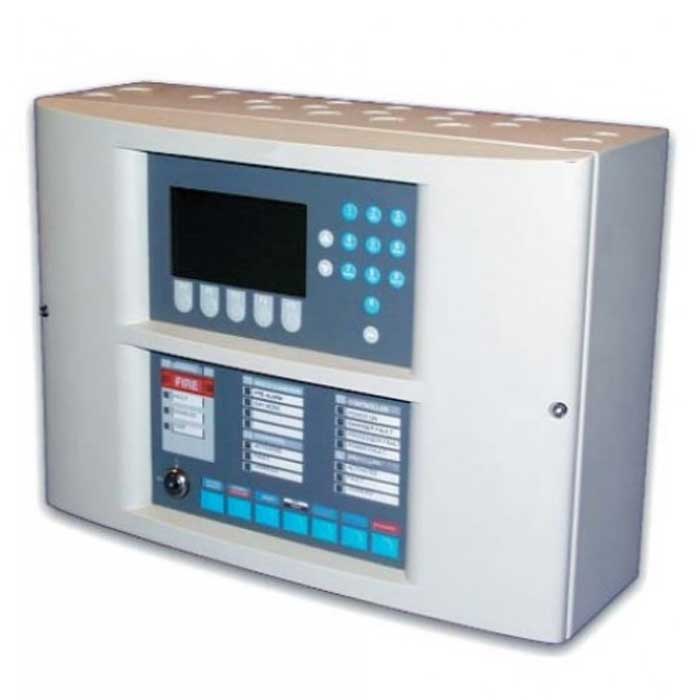
MZX addressable panels, Gen-6 detectors, call points and sounders — a complete detection…
Product detail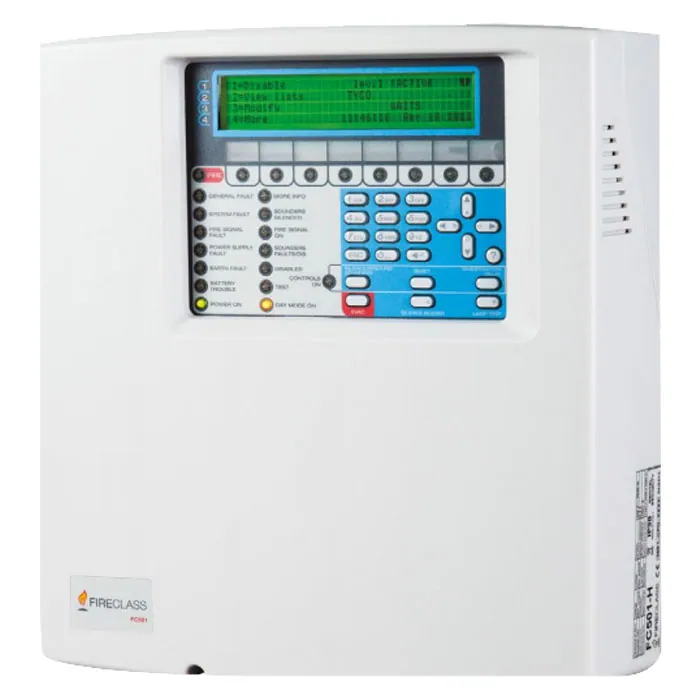
Addressable panels, detectors and monitoring software for code-compliant fire detection —…
Product detail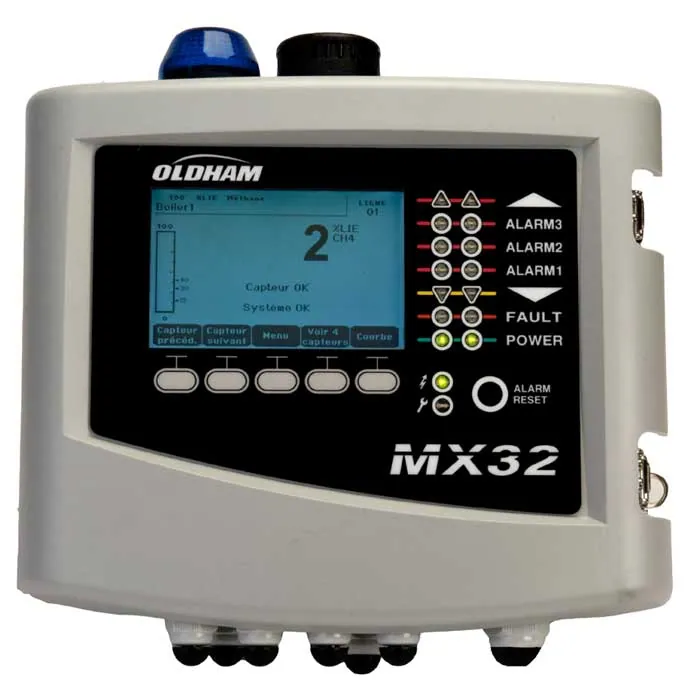
Controllers and fixed detectors for toxic and combustible gases — selected per gas, placed by…
Product detail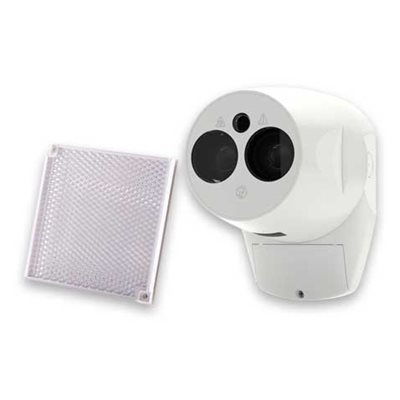
Beam smoke detection for large, tall volumes — one device covering what a grid of point…
Product detail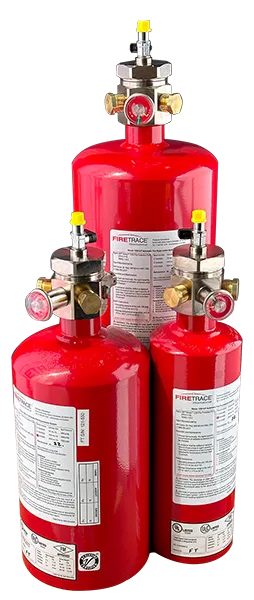
Tube-based suppression that deals with the fire inside the cabinet, in the first seconds, with…
Product detailThese are the things we weigh up in each part of a property.
Addressable detection in every room and along the corridors, with sounders loud enough to wake someone asleep.
Gas detection on the LPG supply, heat detection over the cooking line, and the kitchen tied into the hotel's alarm system.
Beam detection across the volume, because the ceiling is far too high for point detectors to be any use.
Detection in the stores, laundries and service corridors, which is where most hotel fires actually start.
Detection inside the panel and suppression in the cabinet, so a fault is caught in the enclosure.
Beam or linear heat detection across a space too open for point devices, with sprinkler protection.




The parts of a hotel project that need the most care, and how we handle them.
Addressable detection through guest floors with sounders sized to wake a sleeping guest, and beam detection where the ceiling defeats everything else.
Sprinkler protection across the property, gas detection in the kitchens, and in-panel systems for the electrical rooms.
In-panel detection and suppression, so an electrical fault is dealt with in the enclosure instead of becoming a building fire.
Drawings, zone plans, cause-and-effect and test records, written so your team and your insurer can both read them.
Upgrading a running property wing by wing, including systems we did not install, with the work planned around occupancy and the events calendar.
Scheduled servicing and testing under an AMC, with a record of every visit and the same engineers coming back.
The questions hotel engineering and brand teams ask us first.
Speak directly with one of our fire safety engineers.
Call +91 88795 33000Tell us how many keys you run, what is in the kitchens and what is already fitted, and an engineer will come and look.