

Finds the fire, not the floor
The panel names the device, so response goes to the room rather than the zone.
The system everything else waits on — addressable panels, detectors and notification devices that name the device in alarm, not just the zone.
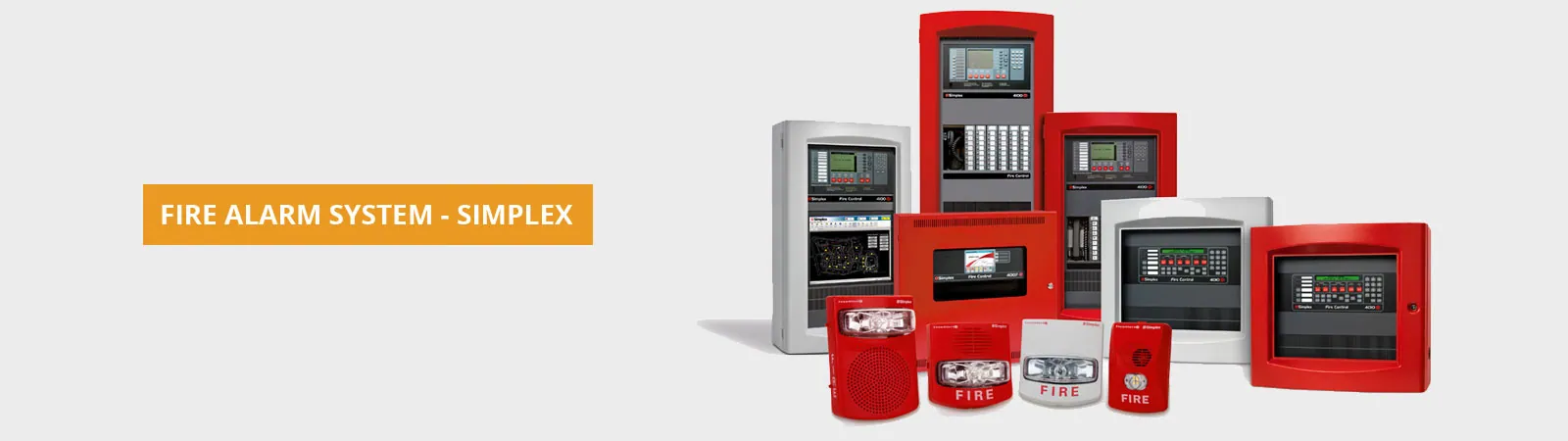
Your fire alarm is the system every other response depends on. Suppression releases because detection told it to. People evacuate because the sounders operated. The brigade is called because somebody read the panel. If it reports late, or points at the wrong part of the building, everything downstream of it is already behind.
An addressable system solves the second problem directly. Every detector, call point and sounder on the loop has its own address, so the panel reports the device, in the room, by name. On a large site that is the difference between sending someone to look and sending someone to act — and it makes the system maintainable, because a fault traces to one device rather than a length of cable.
An addressable device senses smoke, heat or a manual call and reports its own address.
The panel resolves that address to a device and a location.
Sounders and visual alarm devices operate to the evacuation strategy for the building.
Cause-and-effect drives suppression, lifts, dampers and access-controlled doors.
The panel names the device, so response goes to the room rather than the zone.
Correct detector selection per area is what keeps a system trusted rather than muted.
Detectors, call points and sounders share a single addressable circuit.
Cause-and-effect for suppression, lifts, dampers and door release.
Loop isolators keep a single short from taking out an entire circuit.
Faults trace to one device, and the service record is device by device.
The fire alarm is the first system your insurer, your fire NOC and your auditor ask about, and the one every other layer is interlocked to.
Mixed environments needing different detector types per area.
Industry detailOffices, data halls and mixed-use floors with phased evacuation.
Industry detailGuest floors, kitchens and back-of-house with voice notification.
Industry detailPhased evacuation, lift recall and firefighter interfaces.
Industry detailClean areas and solvent stores with differing detection needs.
Industry detailOccupancies with statutory detection and NOC requirements.
Industry detailAlso installed in warehousing, education, healthcare and transport facilities. Detector selection per area is the single biggest factor in whether a system is trusted six months after handover.
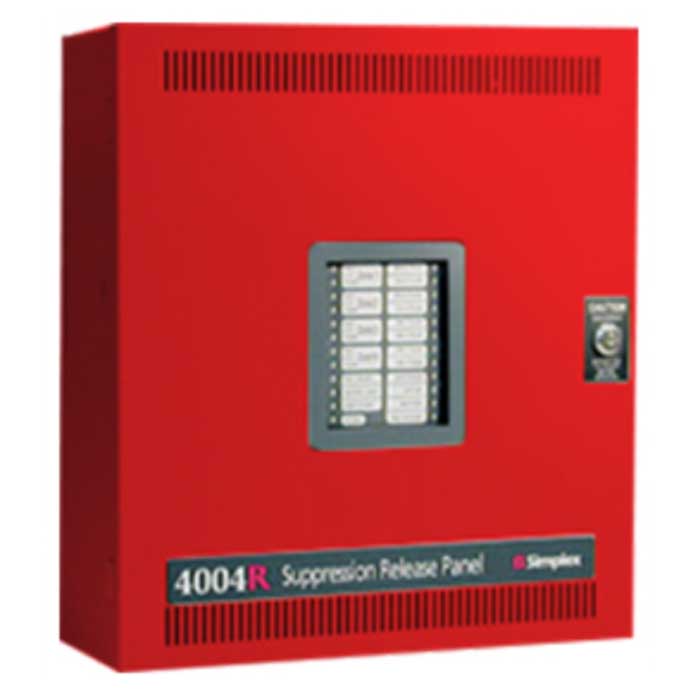
The fire alarm ranges we are an authorised partner for.
releasing system & accessories
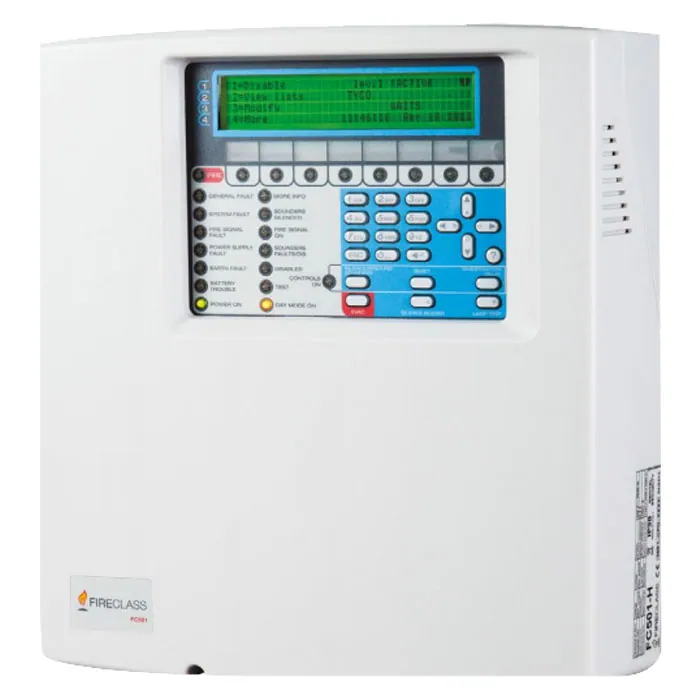
Addressable Fire Alarm Panel FC501
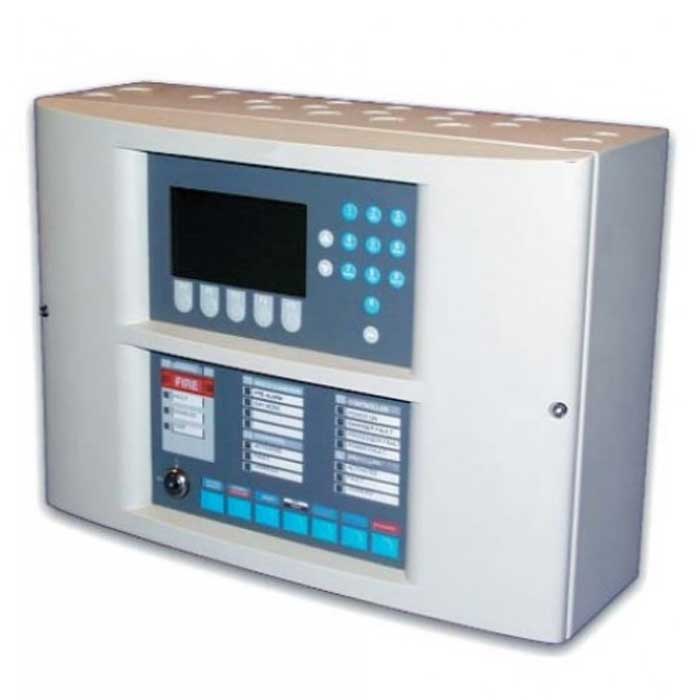
PROFILE Flexible PRO215S & PRO215D Control Panels
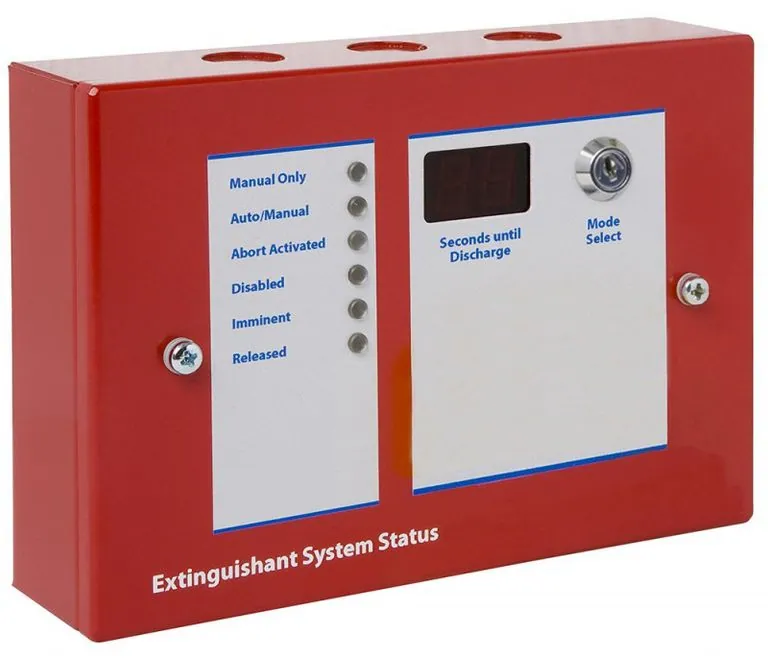
Sigma A-XT Releasing Panel
This forms part of the building's fire protection installation, interfaced to the fire alarm control panel and to any linked response the project design calls for.
In India the installation sits within IS 2189 and Part 4 of the National Building Code (NBC 2016), and the completed system forms part of what your state fire service assesses for the fire NOC.
We confirm product approvals against the certification held by the specific model proposed, and against your consultant's specification and local statutory requirements.
What facility and project teams usually ask about fire alarm systems.
Speak directly with one of our fire safety engineers.
Call +91 88795 33000Talk to our team about a fire alarm system sized to your building, its areas and its evacuation strategy.