

Gas and vapour release
The event that starts most process fires. It is invisible, it travels, and it needs very little to light.
Flammable gas and vapour, outdoor process areas and tank farms. Smoke detection is the wrong tool here. We design, install and maintain the gas and flame detection that works in these conditions.
On a process plant the fire you are trying to prevent usually starts as a release. Gas or vapour escapes, finds an ignition source, and what follows happens in seconds. By the time there is smoke to detect, you are already dealing with the consequence rather than the cause.
So the detection here is different. Gas detectors watch for the release itself, before anything ignites. Flame detectors read the fire directly rather than waiting for smoke, which matters outdoors where smoke simply blows away. And where an area is classified as hazardous, the equipment has to be rated for it — that is not optional.
We work across refineries and terminals, chemical and petrochemical plants, LNG and gas handling, tank farms and loading gantries, and the lubricant and specialty chemical sites that sit alongside them.
The six points we look at most closely when we survey a process site.
The event that starts most process fires. It is invisible, it travels, and it needs very little to light.
Smoke detection is close to useless in open process areas. The fire has to be read directly.
Large inventories and transfer operations, which is when most releases actually happen.
Motors, switchgear and hot work in the same plant as the flammable inventory.
A gas detector that has not been calibrated is a light on a panel, not a safety system.
On these sites an event reaches past the plant, which is why the standards and the scrutiny are what they are.
Most plants end up with a mix of these. What goes where follows the hazard, the area classification and the gases actually present.
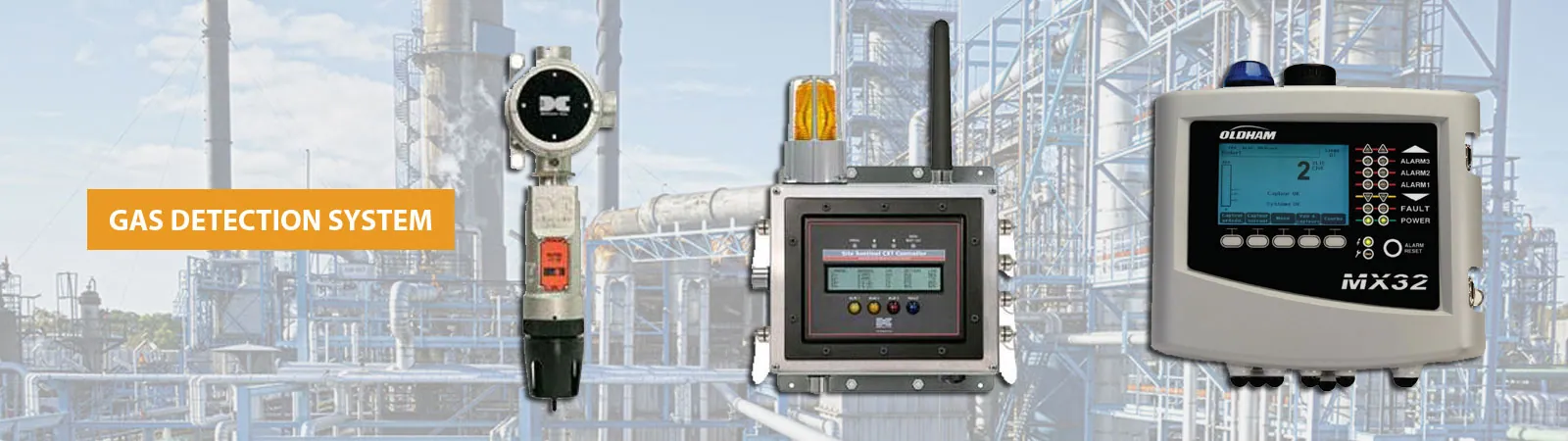
Know a concentration is rising while it is still a ventilation problem — fixed toxic and…
Solution detail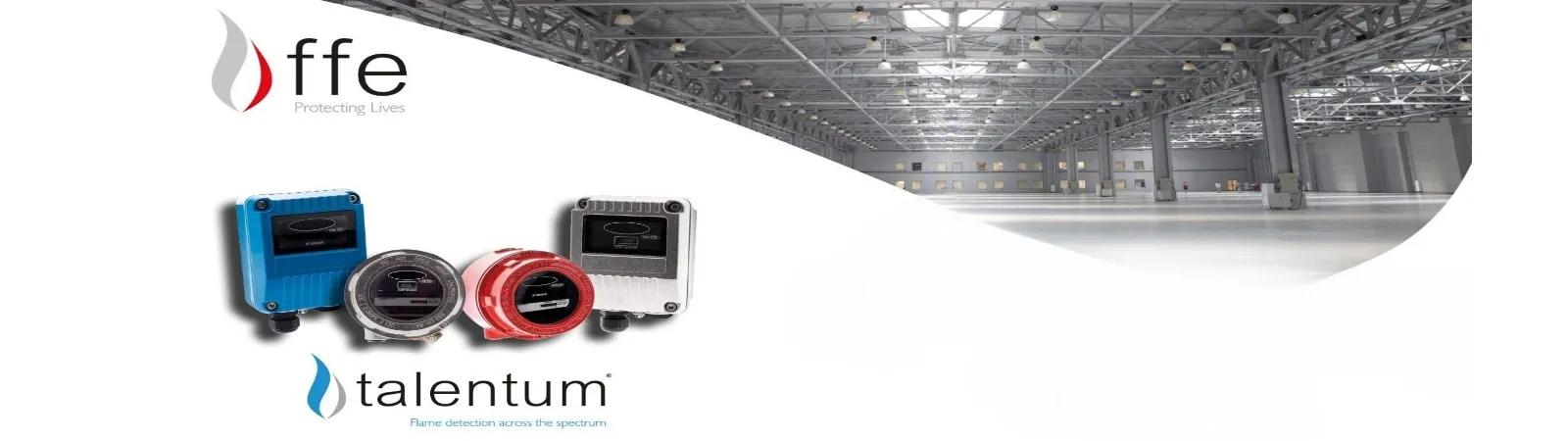
See the fire itself, in seconds — for fuel handling, process areas and outdoor zones where a…
Solution detail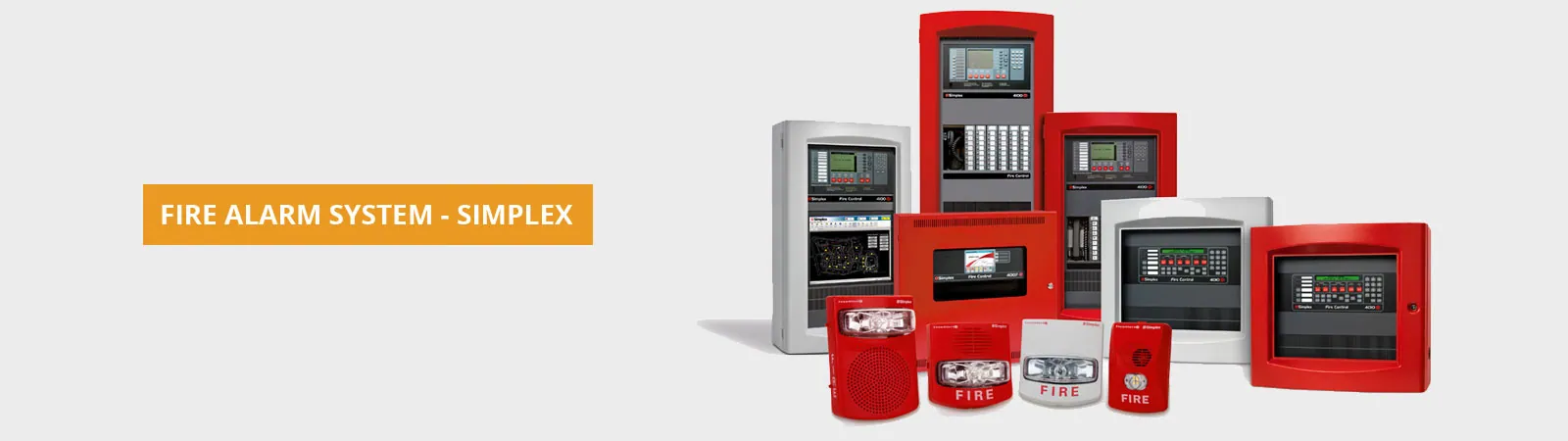
The system everything else waits on — addressable panels, detectors and notification devices…
Solution detail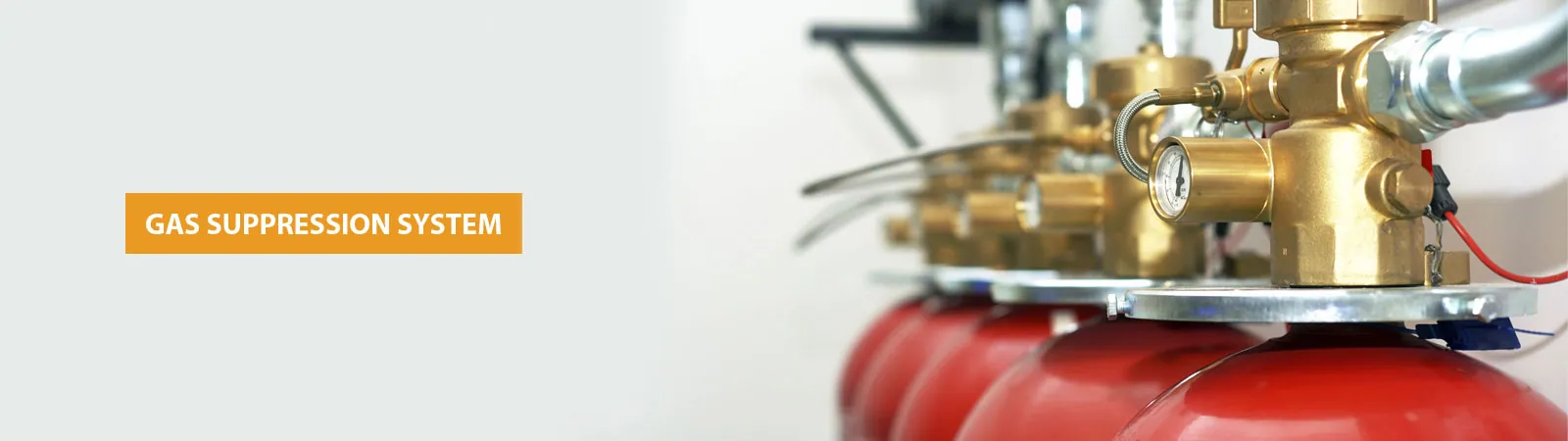
The layer that works with nobody present — wet, pre-action and deluge systems designed to your…
Solution detail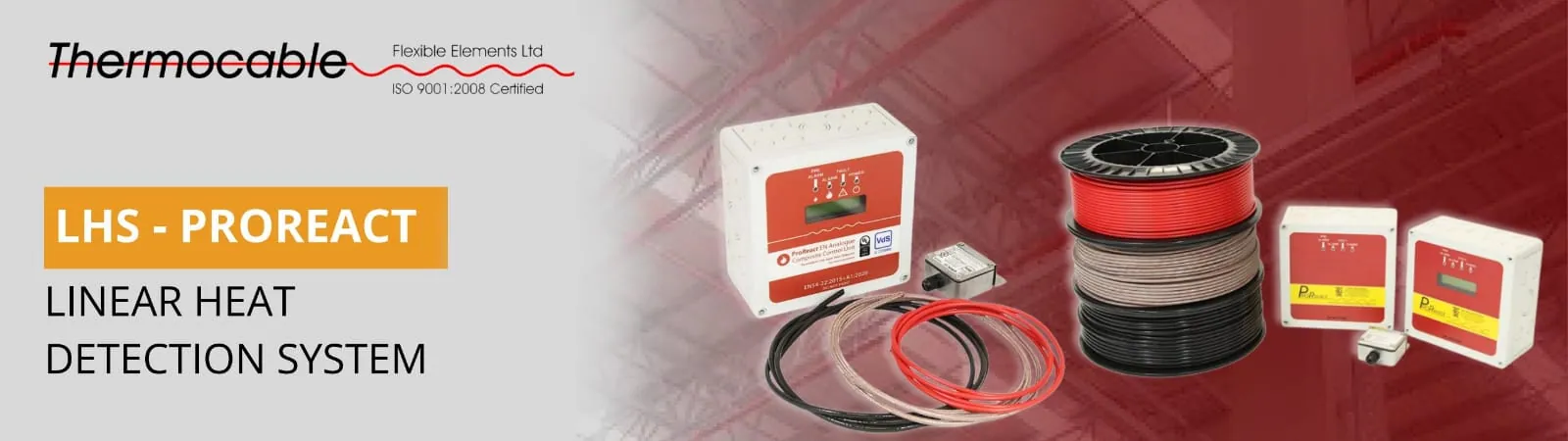
Make the cable the detector — continuous heat sensing along conveyors, cable trays, tunnels and…
Solution detail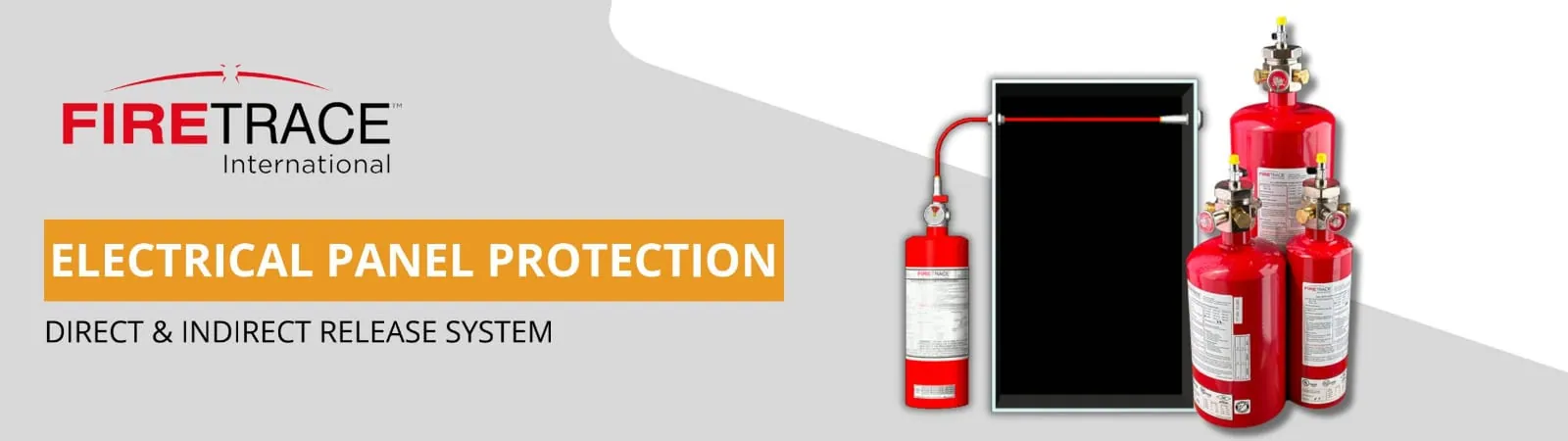
Deal with the fire inside the cabinet, in the first seconds — tube-based suppression that needs…
Solution detailSupplied and commissioned by us, from the manufacturers we are partnered with. Each page carries that manufacturer's own product information and datasheets.
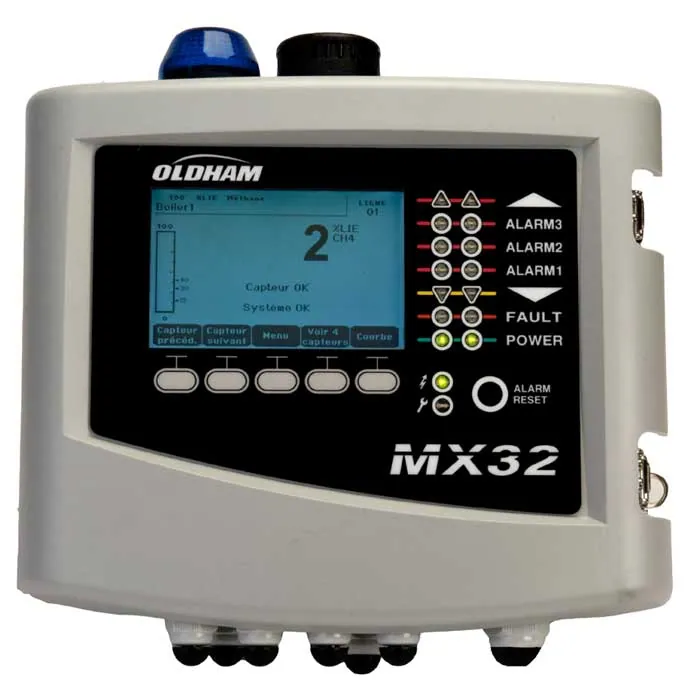
Controllers and fixed detectors for toxic and combustible gases — selected per gas, placed by…
Product detail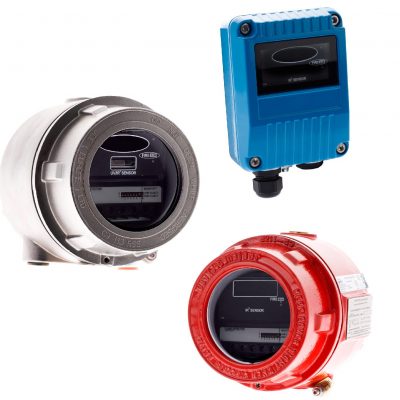
Flame detectors that read the fire itself — for fuel handling, process areas and outdoor zones…
Product detail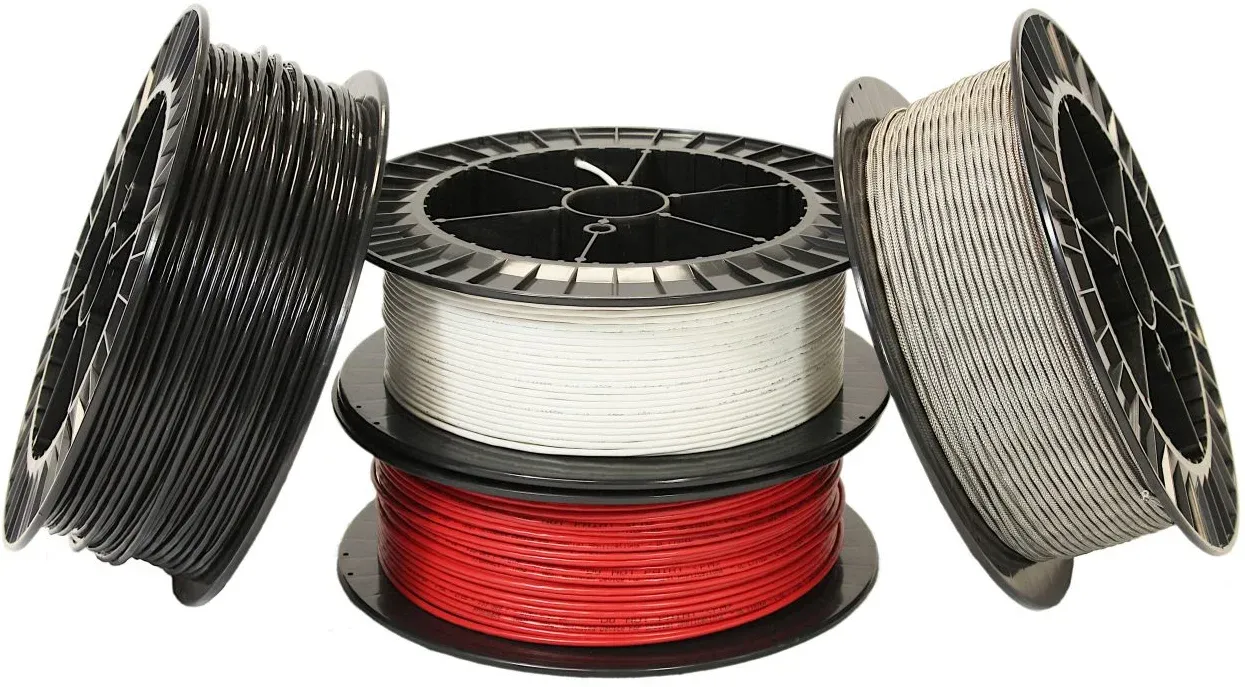
Heat-sensing cable that makes the whole run the detector — for conveyors, cable trays, tunnels…
Product detail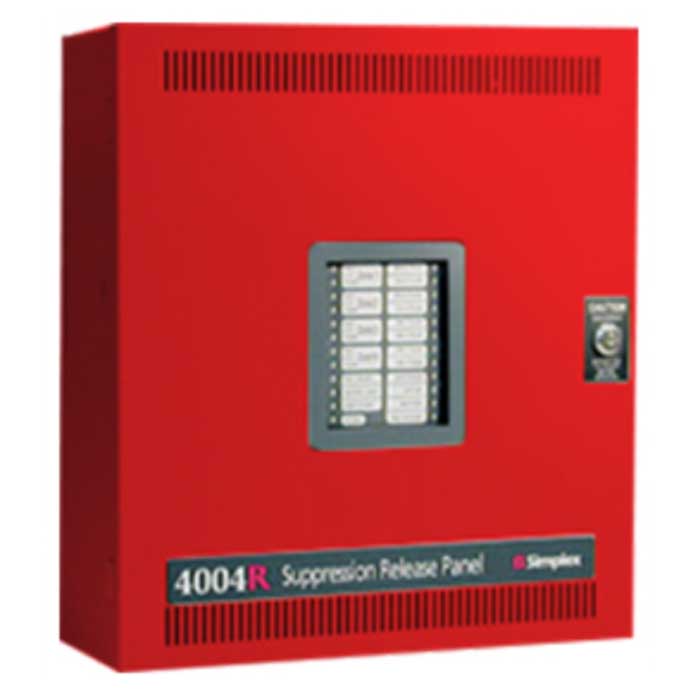
Intelligent fire detection and alarm solutions for modern buildings — addressable control…
Product detail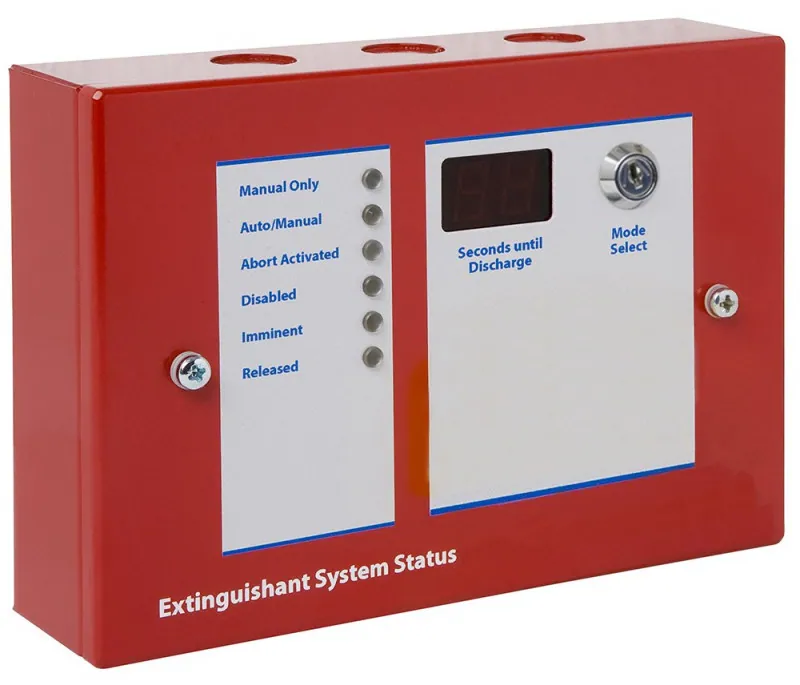
Dedicated extinguishant release control — supervised actuator circuits, abort and manual…
Product detail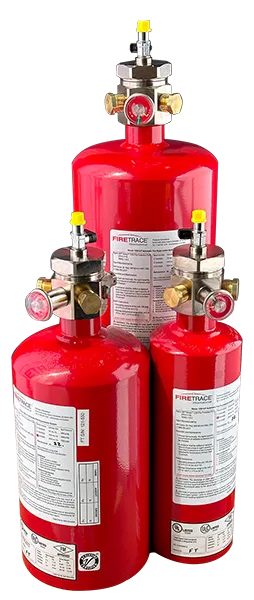
Tube-based suppression that deals with the fire inside the cabinet, in the first seconds, with…
Product detailThese are the things we weigh up in each area.
Fixed gas detection placed where a release would actually travel, with flame detection covering the areas that could light quickly.
Flame detection over the bunds, linear heat on the tank shells, and deluge protection sized to the inventory.
Gas detection at the transfer points, because that is where most releases happen, with flame detection covering the bay.
Enclosed spaces where a release concentrates rather than disperses, so detection has to be inside them.
Air-sampling detection with clean agent or inert gas suppression, so the room stays usable.
Detection inside the panel and suppression in the cabinet, with equipment rated for the area it sits in.



The parts of a fire and gas project that need the most care, and how we handle them.
Siting worked out from where a release would travel and settle, rather than spaced evenly on a drawing.
Detection selected for the gases actually present on your plant, because one sensor does not read them all.
Detectors that see the fire itself rather than waiting for smoke, which is what outdoor areas need.
Selection against the area classification, so what is installed is legal as well as effective.
Gas detection is only as good as its last calibration. We do it to schedule and keep the record.
Scheduled servicing and testing under an AMC, with a record of every visit and the same engineers coming back.
The questions process safety and EHS teams ask us first.
Speak directly with one of our fire safety engineers.
Call +91 88795 33000Tell us what you handle, where the release points are and how the areas are classified, and an engineer will come and walk the plant.