

Solvents and chemicals
Solvent is in use across dispensing, process and storage. Vapour travels, and it does not need much to light.
A pharma site holds a lot of solvent, and rooms where putting a fire out can cost as much as the fire. We design, install and maintain detection that finds a problem early, and suppression that does not wreck the room it is protecting.
A pharma site is really several different buildings under one roof. Clean rooms and sterile production areas where you cannot simply fit a detector on the ceiling. Laboratories full of instruments worth more than the room. API and formulation plants where solvent is in use rather than just stored. Chemical and solvent stores, which carry the highest fire load on most sites. And cold rooms and finished-goods warehouses holding product that is already paid for.
What makes pharmaceutical fire protection different is that the response can cost as much as the fire. A sprinkler discharge in a clean room or a laboratory destroys product, instruments and validation the fire never got near. So the job here is finding a problem very early, and putting it out without wrecking the room.
We design, install, commission and maintain fire detection and suppression across all of those areas — manufacturing plants, cleanrooms, R&D and QC laboratories, API and formulation facilities, solvent stores, cold rooms and finished-goods warehousing.
The six points we look at most closely when we survey a pharmaceutical site.
Solvent is in use across dispensing, process and storage. Vapour travels, and it does not need much to light.
Most fires on a plant start in something electrical. It usually begins inside an enclosure, where nobody can see it.
Air changes are high, so smoke is thinned out and carried away before a ceiling detector would ever notice it.
Lab instruments and process control hardware. A water discharge here costs you far more than the fire would have.
Stores hold both ends of the process. Losing either one stops the plant just the same.
Getting production running again is rarely just a repair. That is the cost most sites underestimate.
Not every site needs all of this. What goes where depends on the hazard in that room, the way it is built and the standards that apply to it — which is what the site visit is for. Gas and heat detection go in alongside these wherever the area calls for it.
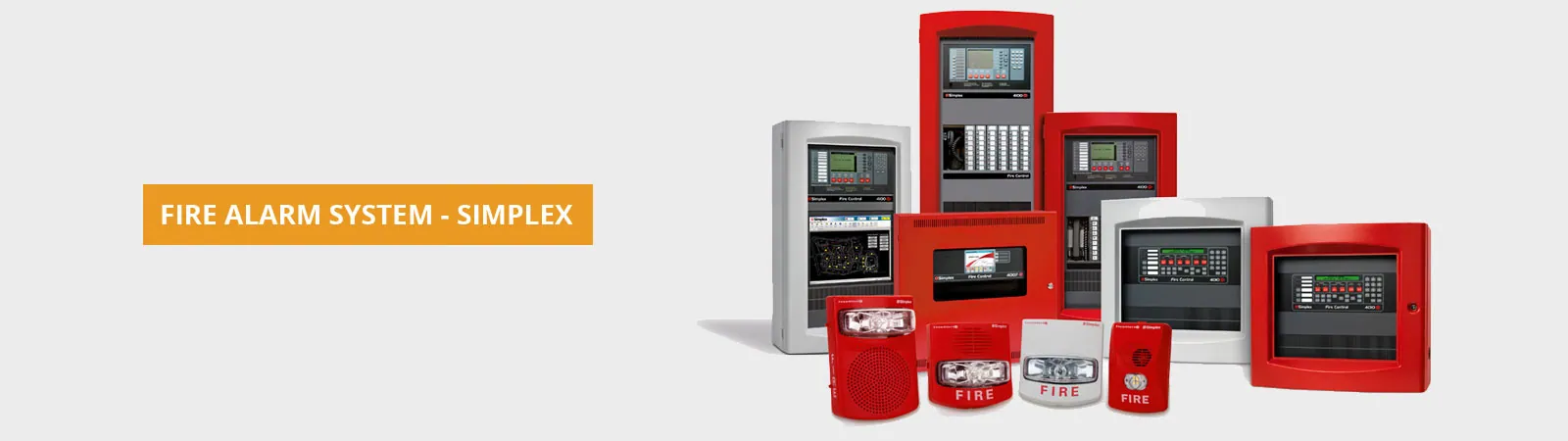
The system everything else waits on — addressable panels, detectors and notification devices…
Solution detail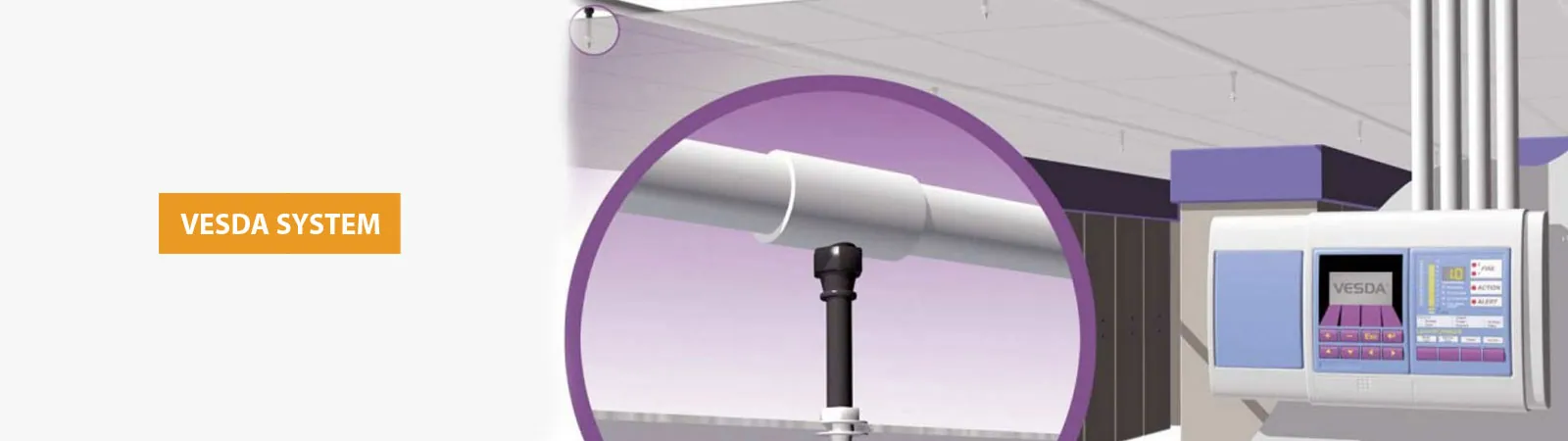
Detect the earliest signs of smoke with air-sampling technology built for critical…
Solution detail
Put the fire out without destroying what it has not reached — inert gas and Novec 1230 systems…
Solution detail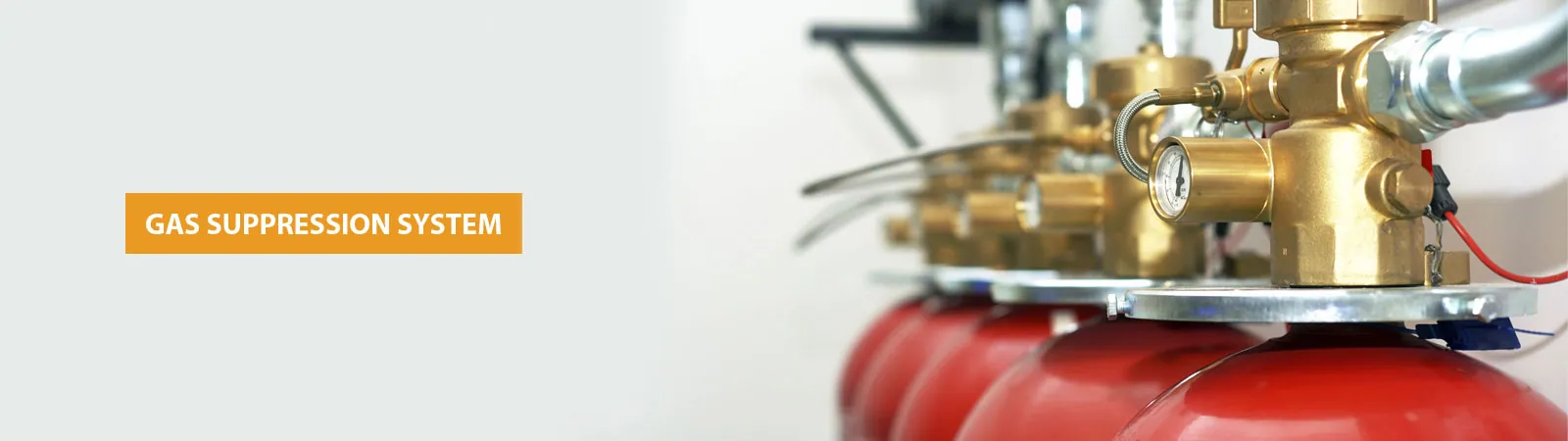
The layer that works with nobody present — wet, pre-action and deluge systems designed to your…
Solution detail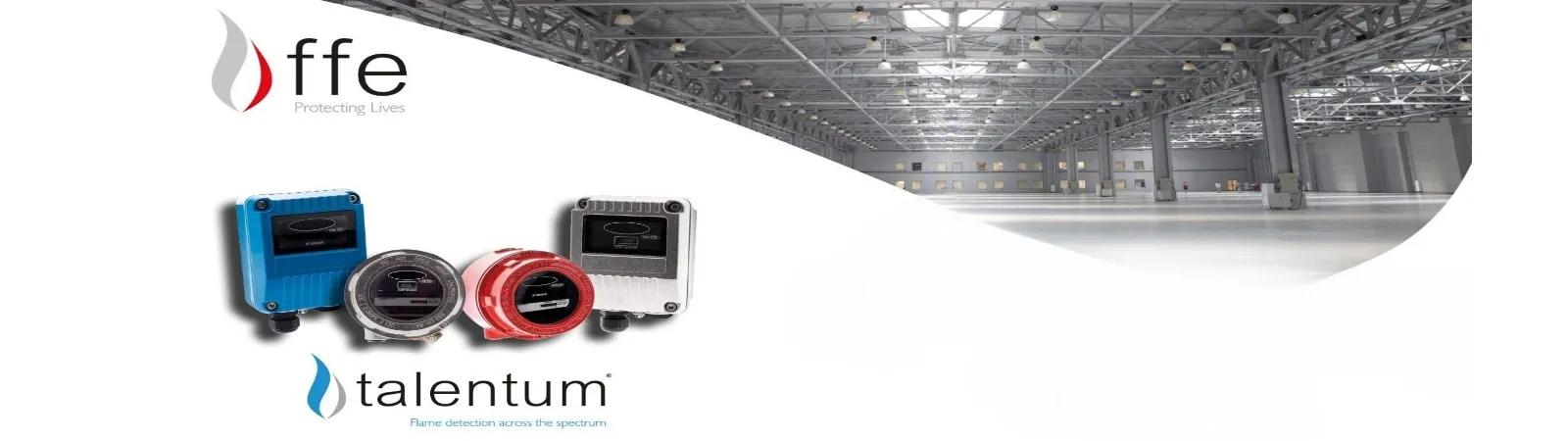
See the fire itself, in seconds — for fuel handling, process areas and outdoor zones where a…
Solution detail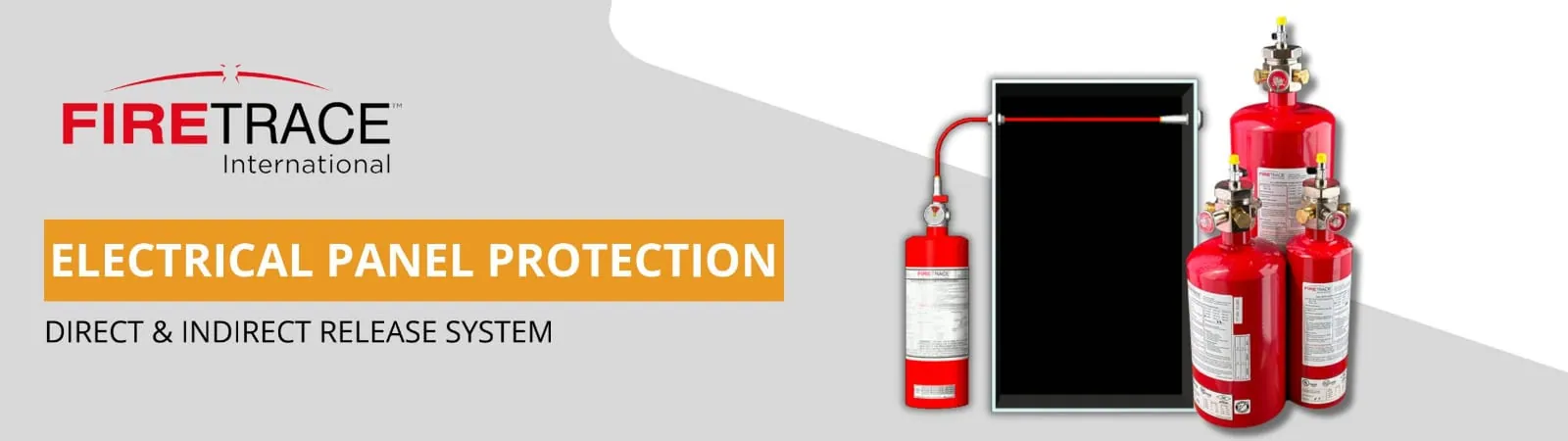
Deal with the fire inside the cabinet, in the first seconds — tube-based suppression that needs…
Solution detailWe supply and commission kit from the manufacturers we are partnered with. Each page below has that manufacturer's own product information and datasheets.
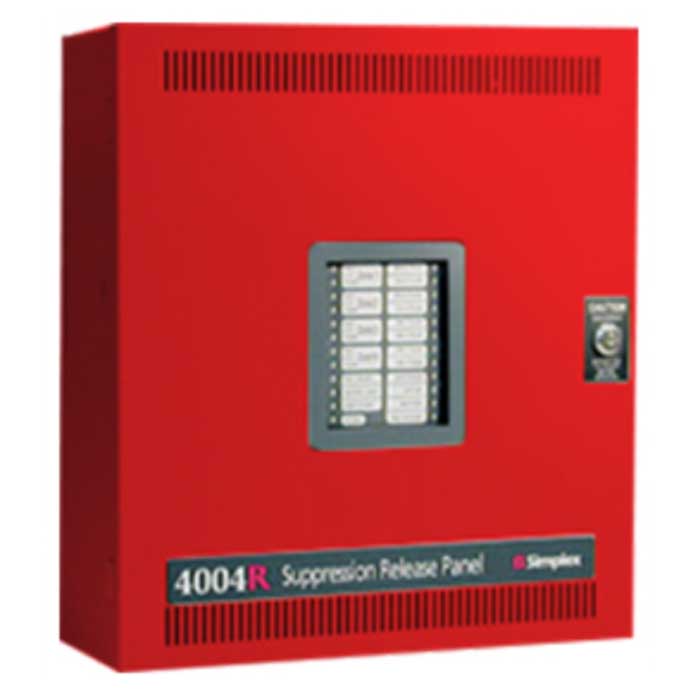
Intelligent fire detection and alarm solutions for modern buildings — addressable control…
Product detail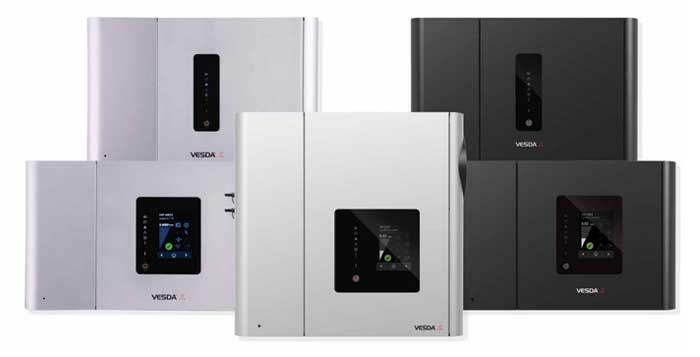
Very early warning air-sampling detection for server rooms, clean rooms and high-value assets —…
Product detail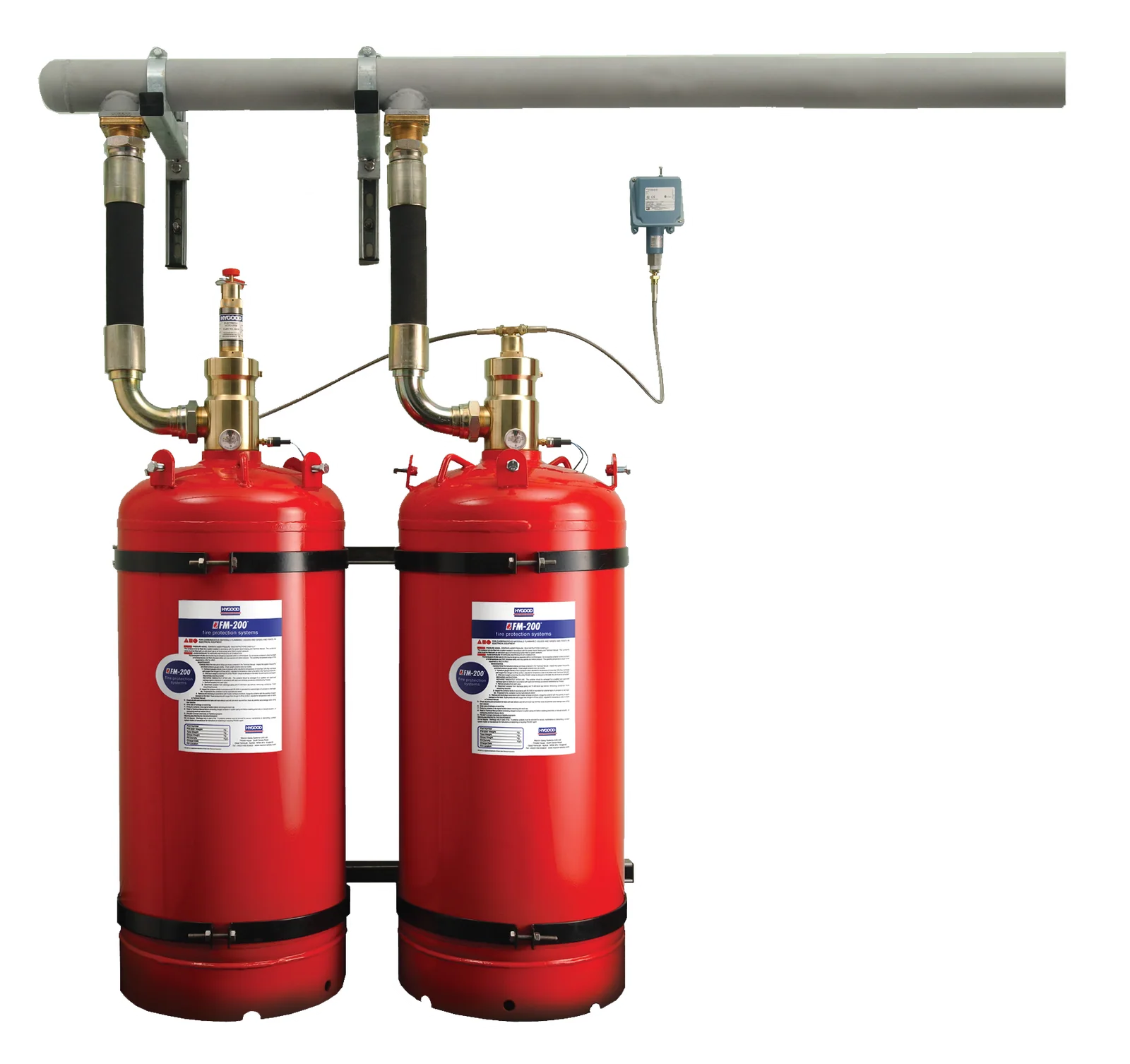
Engineered clean agent suppression for equipment rooms — sized to the volume and proven to hold…
Product detail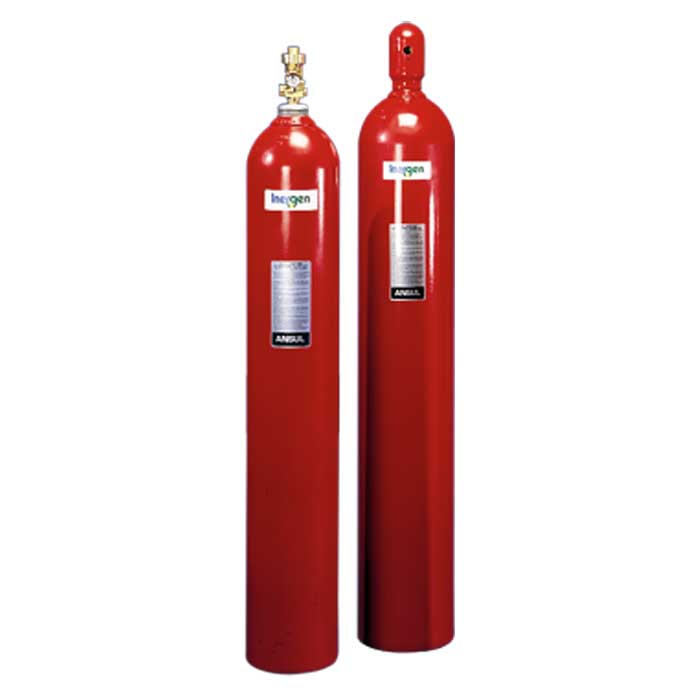
Inert gas suppression that lowers oxygen below what fire needs while remaining survivable for…
Product detail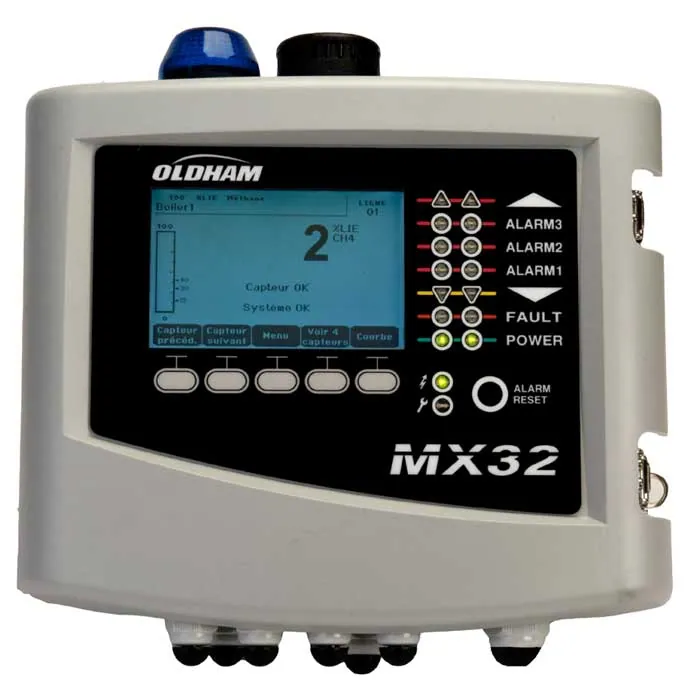
Controllers and fixed detectors for toxic and combustible gases — selected per gas, placed by…
Product detail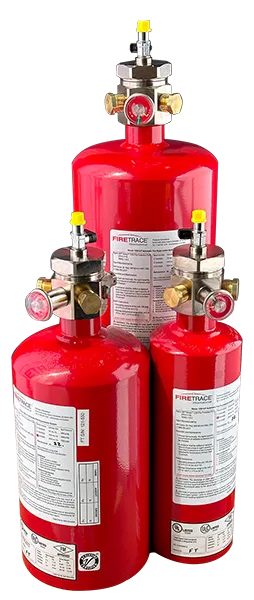
Tube-based suppression that deals with the fire inside the cabinet, in the first seconds, with…
Product detailThese are the things we weigh up in each area. They are starting points for a conversation, not a finished design — that only comes after we have seen the room.
Air-sampling detection is the usual answer. The sampling points are small holes in pipework and the detector itself sits outside the clean area, so nothing is added to the room.
Solvent at the bench and instruments worth protecting. Normally detection plus a clean agent system, so nothing is left behind on the equipment.
Depends on what is running. Where solvent is in use, gas and flame detection go in alongside the alarm system.
Detection inside the panel and suppression in the cabinet, so a fault is caught in the enclosure rather than in the room.
Gas detection for vapour, flame detection where a leak could light quickly, and suppression chosen to suit how the area is classified.
Height and what is stored drive this one — usually beam detection across the space with sprinklers sized for the racking.
Pharmaceutical, biotech and life-sciences organisations Intech has worked for. Every logo below is already published on our clients page or carries a named reference on our testimonials page.






This is the pharma and life-sciences part of our client list. The full list is on the clients page.
Three pharmaceutical jobs, written up without the client's name. Each one is work we completed and hold a written testimonial for.
Critical rooms held equipment and product that a water discharge would have ruined, so sprinklers were the wrong tool — but the areas still had to be protected, and tied into alarm coverage across the building.
Sized a clean-agent system to the measured room volumes, laid the detection out for cross-zoned release so no single device can discharge it, and commissioned both systems together as one.
Installed fire systems on a working plant were drifting out of condition, and the site needed one contractor who would plan the servicing, answer a breakdown call and take on new project work as the plant changed.
Recorded what was installed and what state it was in, set a maintenance programme against it, and now service, test and attend breakdowns with engineers who already know the installation.
Laboratories, packing halls, stores and offices in one building, each needing a different detection answer — and a project that had to finish properly rather than stop at ninety per cent.
Walked the building area by area, chose detection type and spacing per area rather than on a uniform grid, zoned it so an alarm says where, then commissioned and handed it over with the documentation complete.
The work we are brought in to do on a pharmaceutical site, and what each part of it actually involves.
Air-sampling systems set for very early warning, with the detector outside the clean area and only pipework inside it.
Clean agent and inert gas systems for rooms where a water discharge would cost more than the fire.
Gas and flame detection for stores, dispensing and process areas, with equipment chosen to suit the area classification.
In-panel detection and suppression, so a fault inside an enclosure is dealt with before it reaches the room.
Design, installation, commissioning and test records handed over in a form you can put in front of a regulator.
Scheduled servicing and testing under an AMC, with a written record of every visit.
The same five stages whether it is one clean room or the whole plant. We do all of it ourselves, so there is one number to ring when you want to know where it has got to.
An engineer walks the site and writes down what is in each area, how it is built, what is already fitted and where the real risk sits.
We pick the systems that suit each area and the rules that apply, then put the design in writing. You see it and agree it before anything is ordered.
Our own teams fit it and tie it into what you already have, phased around production so you are not shut down to let us work.
Every device tested, the cause-and-effect proved, and the handover pack written so you can put it in front of an auditor.
Scheduled servicing and testing under an AMC, with a written record of every visit and the same engineers coming back.
The questions pharma and life-sciences teams ask us first. Short answers — the full one always depends on your site.
Speak directly with one of our fire safety engineers.
Call +91 88795 33000Tell us about your process areas, your clean rooms and your solvent storage. An engineer will walk the site and come back with a plan built around it.