

Panels, motors and drives
Most plant fires start in something electrical, inside an enclosure where nobody can see it.
Big production halls, long conveyor runs and more electrical infrastructure than most buildings carry. We design, install and maintain the systems that find a fire early and keep the line running.
Most factory fires do not start on the production line. They start in a panel, a cable tray or a motor, somewhere nobody is looking, and they are well established by the time anyone notices. The second commonest start is the store, where the fire load is highest and the occupancy is lowest.
The difficulty is that a production hall is a hostile place for detection. Ceilings are high, there is dust and heat and movement, and a system that cries wolf gets ignored or switched off. So the detection has to be matched to the conditions in each area, not laid out on a uniform grid.
We work across process and discrete manufacturing, engineering and fabrication, food and beverage, textiles, chemicals and coatings, and the warehouses attached to them.
The six points we look at most closely when we survey a factory.
Most plant fires start in something electrical, inside an enclosure where nobody can see it.
Smoke cools and spreads out long before it reaches a roof 12 metres up, so ceiling detectors are far too slow.
Long runs that no point detector covers properly, and that carry fire from one part of the plant to another.
Both ends of the process, usually stacked high and unattended. Losing either one stops the plant.
Conditions that defeat ordinary detection, or set it off for nothing — which ends with it being ignored.
The stopped line is the real number. Early warning is cheap against it.
Most plants end up with a mix of these. Which ones you need, and where, comes out of the site visit rather than off a list.
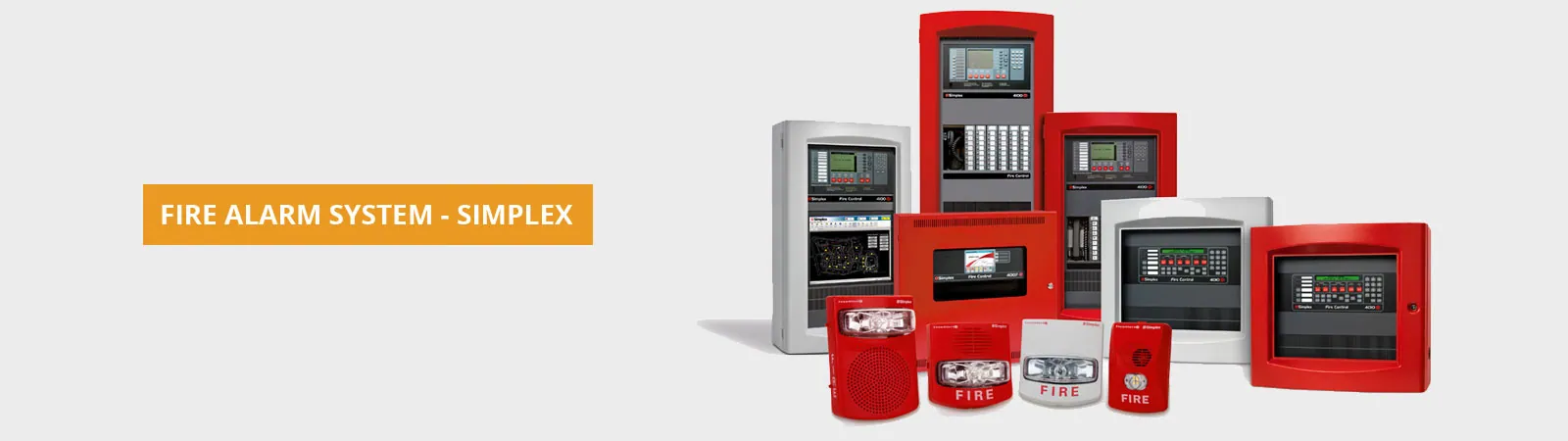
The system everything else waits on — addressable panels, detectors and notification devices…
Solution detail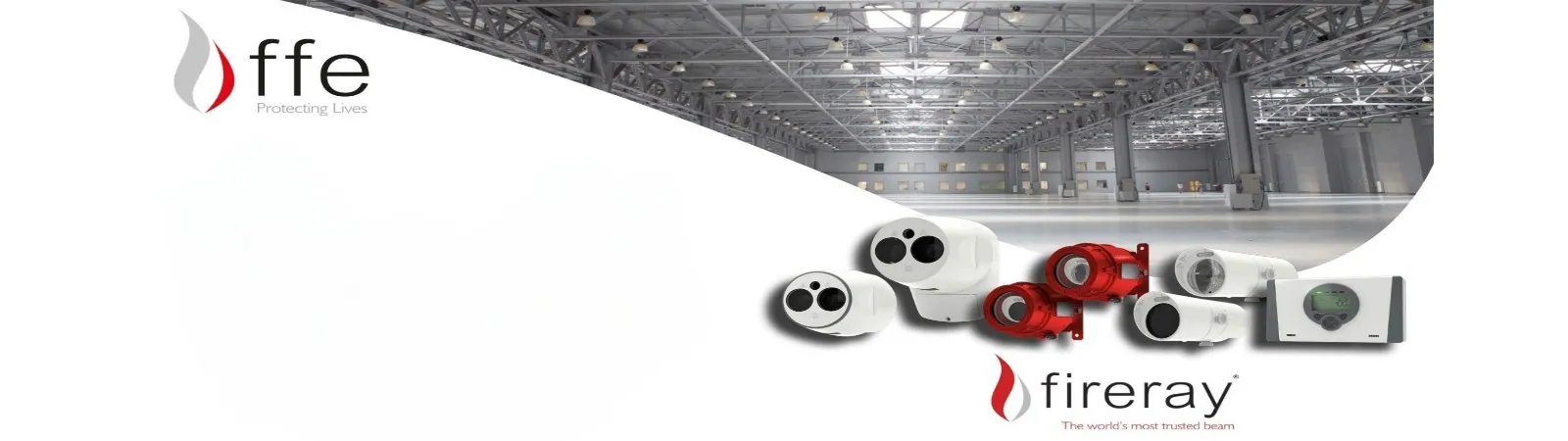
Cover large, tall volumes with a single detector — for warehouses, atriums and production halls…
Solution detail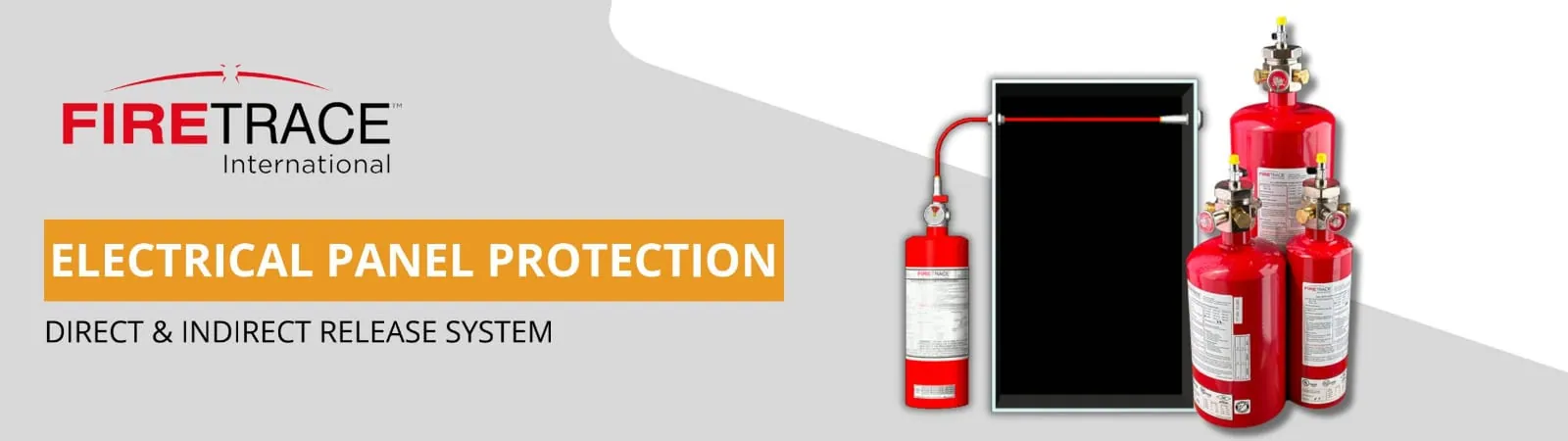
Deal with the fire inside the cabinet, in the first seconds — tube-based suppression that needs…
Solution detail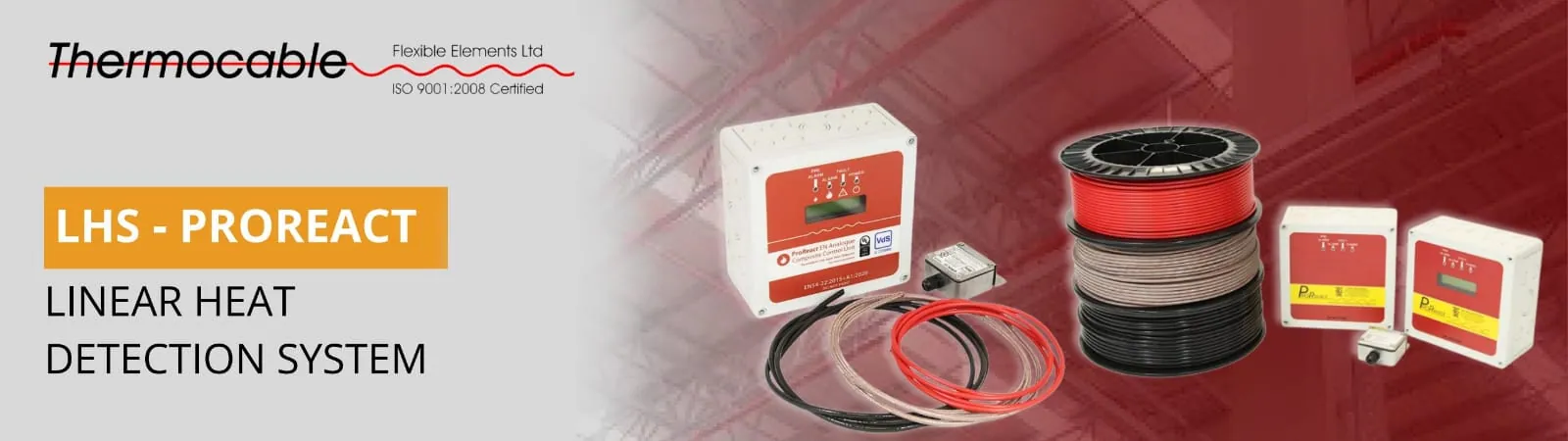
Make the cable the detector — continuous heat sensing along conveyors, cable trays, tunnels and…
Solution detail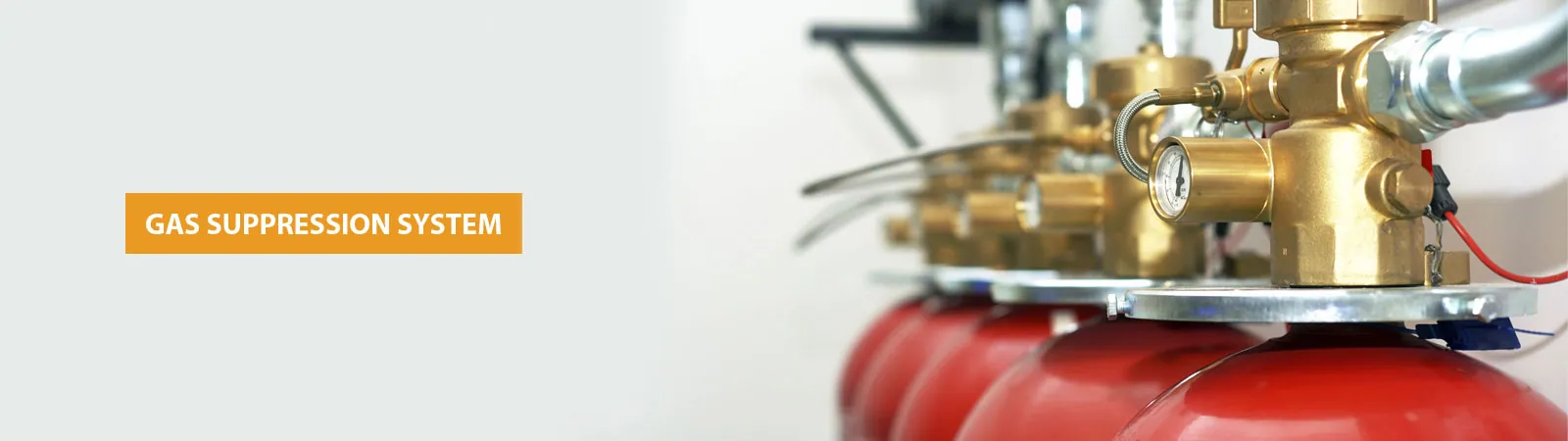
The layer that works with nobody present — wet, pre-action and deluge systems designed to your…
Solution detail
Put the fire out without destroying what it has not reached — inert gas and Novec 1230 systems…
Solution detailSupplied and commissioned by us, from the manufacturers we are partnered with. Each page carries that manufacturer's own product information and datasheets.
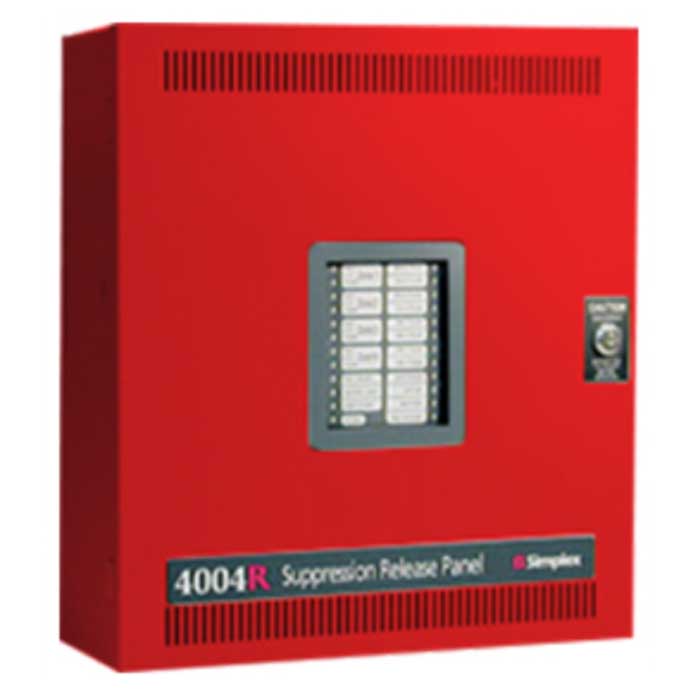
Intelligent fire detection and alarm solutions for modern buildings — addressable control…
Product detail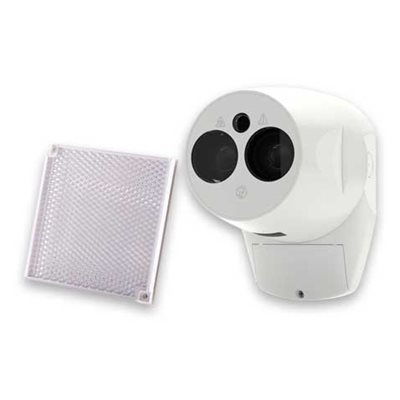
Beam smoke detection for large, tall volumes — one device covering what a grid of point…
Product detail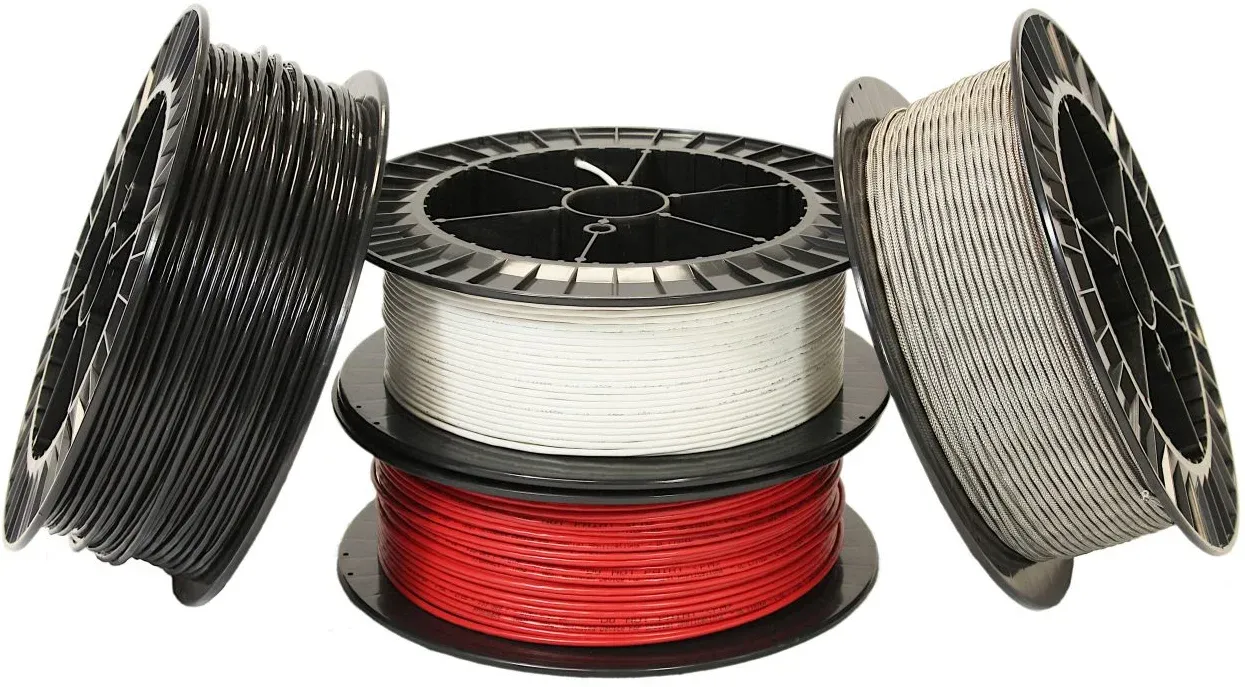
Heat-sensing cable that makes the whole run the detector — for conveyors, cable trays, tunnels…
Product detail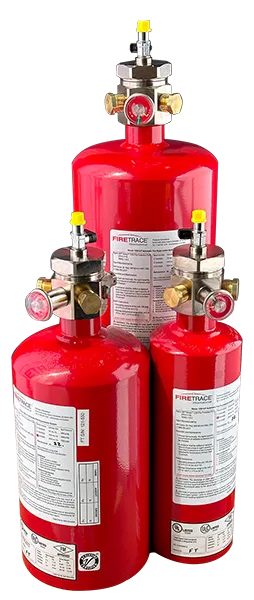
Tube-based suppression that deals with the fire inside the cabinet, in the first seconds, with…
Product detail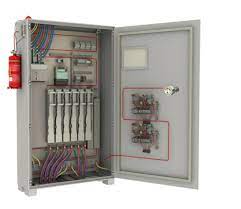
Compact suppression for electrical enclosures and cabinets — acting inside the panel before…
Product detail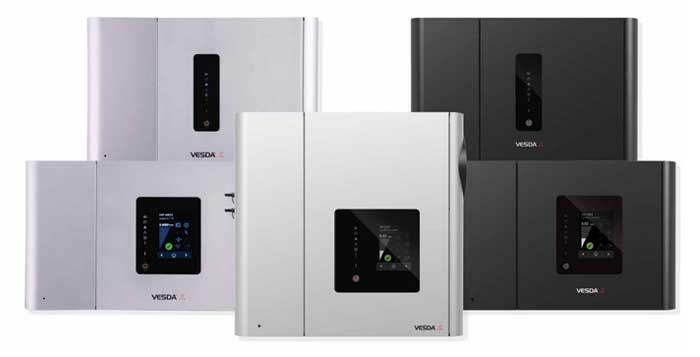
Very early warning air-sampling detection for server rooms, clean rooms and high-value assets —…
Product detailWhat suits a production hall is the wrong answer in a cable gallery. These are the things we weigh up in each area.
Beam detection across the volume, because the roof is too high for point detectors to be any use.
Linear heat cable that makes the whole run the detector, rather than trying to cover it with point devices.
Detection inside the panel and suppression in the cabinet, so a fault stays in the enclosure.
Height and what is stored drive this one — beam detection across the space with sprinklers sized for the racking.
The kit the plant cannot run without, usually air-sampling detection with suppression that leaves no residue.
Gas and flame detection where fuel is handled, with suppression suited to how the area is classified.















The parts of a manufacturing project that need the most care, and how we handle them.
Detection matched to the conditions in each area — beam for height, linear heat for long runs, air-sampling where airflow would defeat anything passive.
In-cabinet systems for panels, clean agent for control rooms, and sprinklers sized against what is actually in the racks.
In-panel detection and suppression, so an electrical fault is dealt with in the enclosure instead of becoming a building fire.
Drawings, zone plans, cause-and-effect and test records, written so your team and your insurer can both read them.
Extending or replacing what is already in the plant, including systems we did not install, once we have checked the panel has the capacity.
Scheduled servicing and testing under an AMC, with a record of every visit and the same engineers coming back.
The questions plant and EHS teams ask us first.
Speak directly with one of our fire safety engineers.
Call +91 88795 33000Tell us what runs in each area and what is already installed, and an engineer will walk the plant and come back with a design built around it.