

Very early smoke detection
It notices smoke at levels an ordinary detector is not built to register, often while the cause is still just a component running hot.
Detect the earliest signs of smoke with air-sampling technology built for critical environments, high-value assets and facilities where early warning matters.
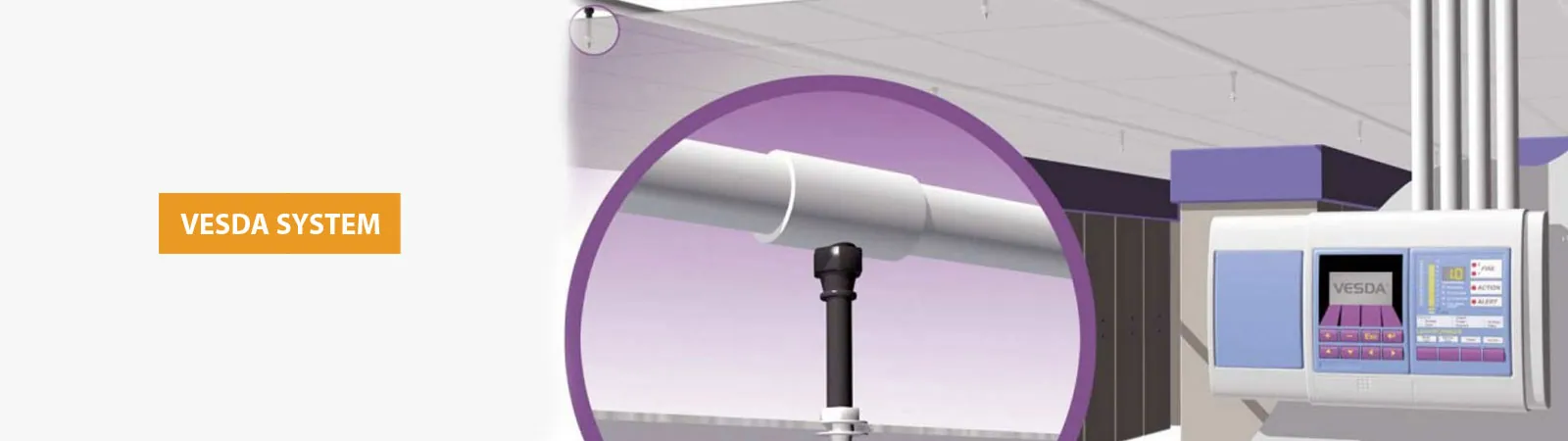
Aspirating detection is an active system. Instead of waiting for smoke to drift up to a detector on the ceiling, a fan pulls air out of the room through a network of pipes and runs it through a detection chamber, where it is checked for smoke particles.
Because it is sampling the room rather than watching it, it can pick up particle levels well below what a ceiling detector is built to notice. That is what makes it worth doing in rooms where you need to find a fault early, and in spaces where airflow, height, dust or cold would make ordinary detection unreliable.
Small holes along a pipe network draw air from the protected area.
A sampling fan pulls that air back through the pipework to the detector.
The detection chamber analyses the sample for smoke particles.
Configured alarm stages signal the fire alarm panel or start an approved response sequence.
It notices smoke at levels an ordinary detector is not built to register, often while the cause is still just a component running hot.
The room is tested continuously rather than watched passively, so nothing has to travel to a sensor first.
The run is designed around your ceiling, your void or your cabinet, instead of the room being fitted to a product.
High, cold, dusty or hard to reach — the spaces that defeat ordinary detection are where this earns its keep.
Staged thresholds, and one place to watch them from, configured when we commission the system.
It interfaces to compatible fire alarm panels and building management systems, so it is not an island.
Aspirating detection is chosen where the loss is downtime rather than the fire itself, or where a point detector would simply be too slow.
High airflow dilutes smoke before it ever reaches a ceiling detector.
Industry detailHeight and racking make conventional detection slow and hard to service.
Industry detailSampling points stay discreet and the detector sits outside the clean space.
Industry detailFinds an overheating supply or connection before it becomes a fire.
Industry detailCopes with dust, temperature swings and areas that are hard to reach.
Industry detailCovers large volumes where ceiling-mounted devices perform poorly.
Industry detailAlso suited to cold storage, raised-floor and ceiling voids, archives and heritage buildings. The right approach depends on the actual environment, which is what a site assessment establishes.
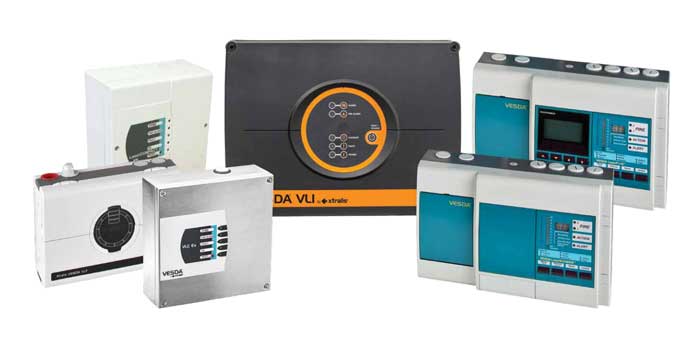
The aspirating ranges we are an authorised partner for. Which one suits your site comes out of the assessment, not a catalogue.
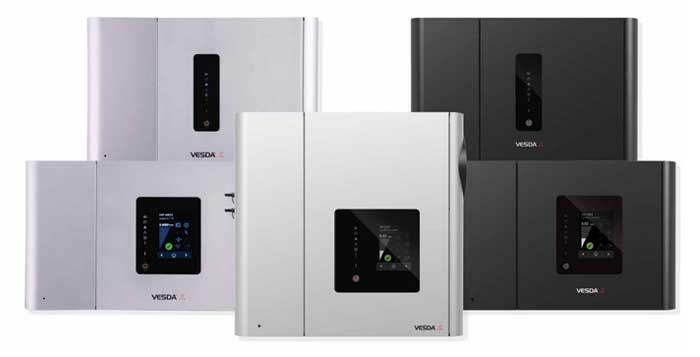
Aspirating detectors across a range of sizes and sensitivities, from a single cabinet up to a full data hall.
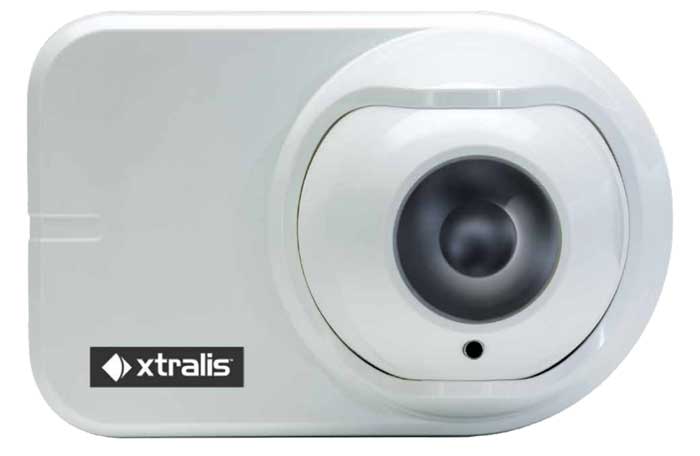
Open-area imaging detection for large volumes, plus a compact aspirating unit for smaller critical rooms.
An aspirating system is normally one part of the building's fire detection installation. It can be interfaced to compatible fire alarm control panels, to building management systems, and to suppression release where the project design and the equipment both allow it.
In India the installation sits within IS 2189 and Part 4 of the National Building Code (NBC 2016), and the completed system forms part of what your state fire service assesses for the fire NOC. EN 54-20 is the relevant European standard for aspirating smoke detectors.
We confirm product approvals against the certification held by the specific model proposed, and against your consultant's specification and local statutory requirements, rather than listing them in advance.
What facility and project teams usually ask about aspirating detection.
Speak directly with one of our fire safety engineers.
Call +91 88795 33000Talk to our team about an aspirating smoke detection solution sized to your building, your operating conditions and your fire safety objectives.