

Transformers
A large oil inventory in one place, outdoors, with enough energy behind a fault to start a serious fire quickly.
Transformers, cable galleries and control rooms carry the highest fire loads on the site and the highest cost of being offline. We design, install and maintain the systems that protect all three.
A power station concentrates risk in a few specific places. Transformers hold a large volume of oil. Cable galleries and tunnels carry hundreds of metres of cable through the plant, and a fire in one travels the length of it. Control rooms hold the electronics the whole site depends on.
What makes it difficult is that each of those needs a completely different system. Deluge for a transformer. Linear heat cable for a gallery, because no point detector covers a run like that. Clean agent or inert gas for the control room, because water in there costs more than the fire. One site, four or five different answers.
We work across thermal and gas generating stations, renewable and hybrid sites, captive power plants, substations and transmission infrastructure.
The six points we look at most closely when we survey a generating site.
A large oil inventory in one place, outdoors, with enough energy behind a fault to start a serious fire quickly.
Hundreds of metres of cable in a confined route. A fire in one end travels, and nobody can get in to fight it.
The electronics the whole station depends on, in a room where a water discharge costs more than the fire would.
Coal, oil or gas, depending on the station, all of it with its own detection and suppression requirement.
Sealed rooms with a chemistry that is hard to cool, feeding the systems that have to work during an incident.
Generation lost is the real number, and it is usually far larger than the equipment at risk.
Most stations end up with all of these, in different places. What goes where follows the hazard in that area.
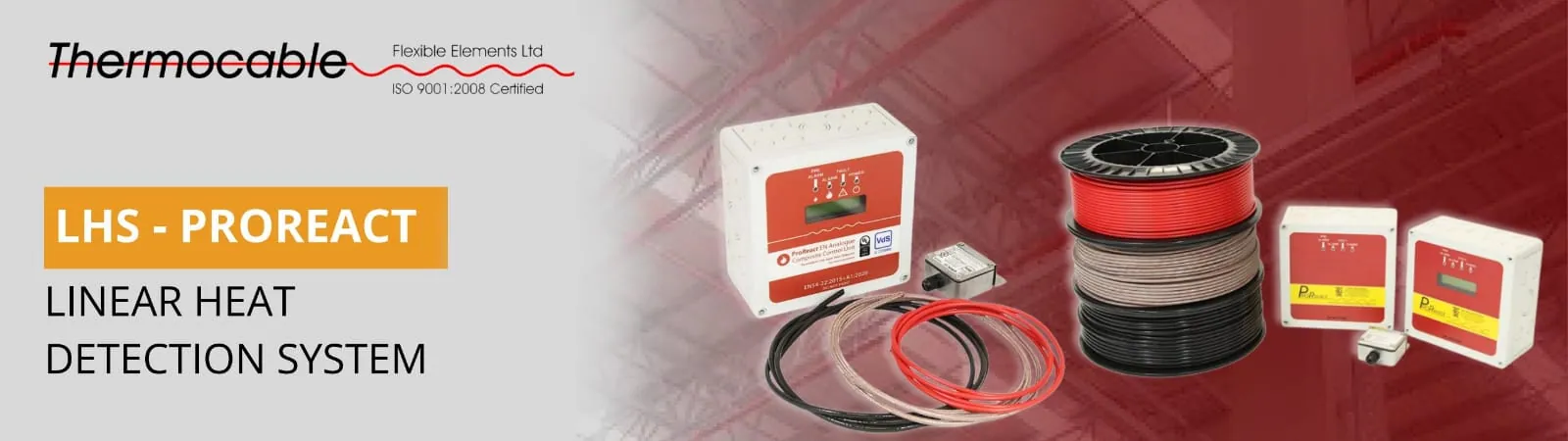
Make the cable the detector — continuous heat sensing along conveyors, cable trays, tunnels and…
Solution detail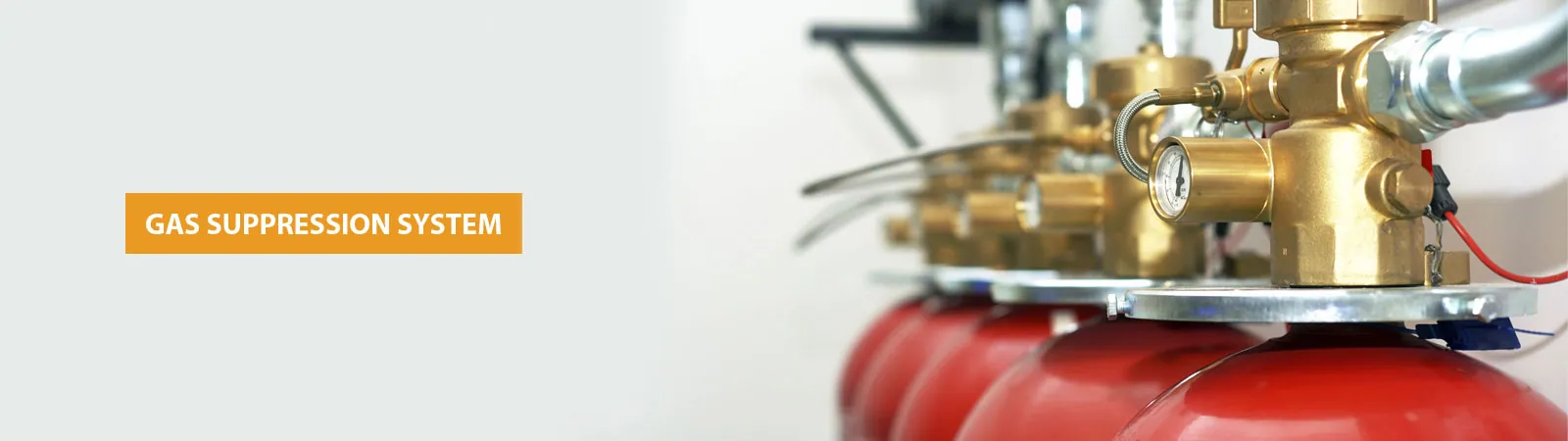
The layer that works with nobody present — wet, pre-action and deluge systems designed to your…
Solution detail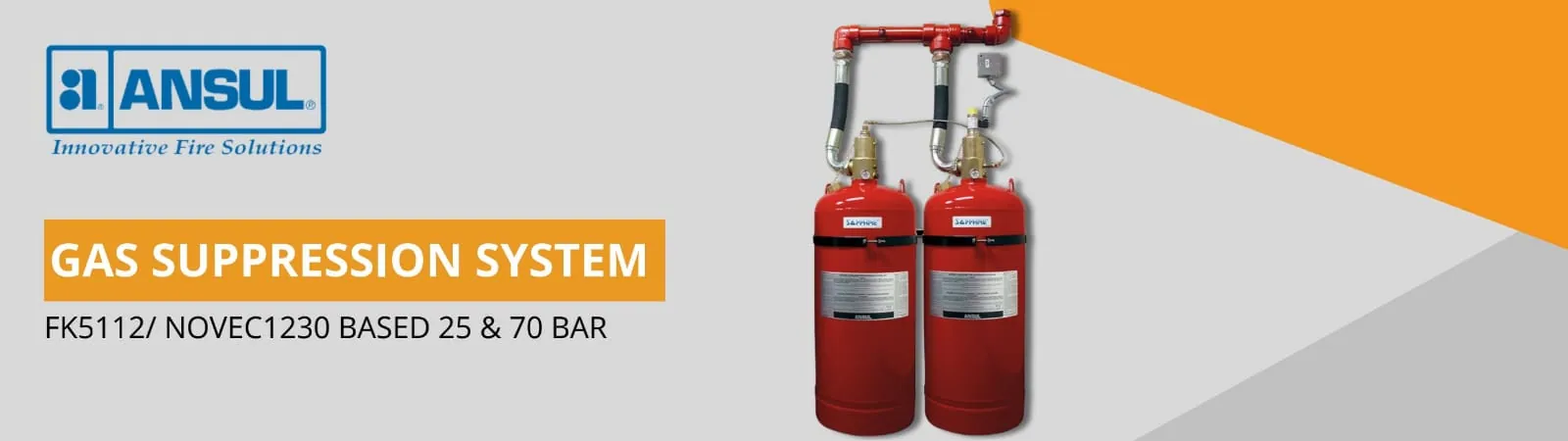
Put the fire out without destroying what it has not reached — inert gas and Novec 1230 systems…
Solution detail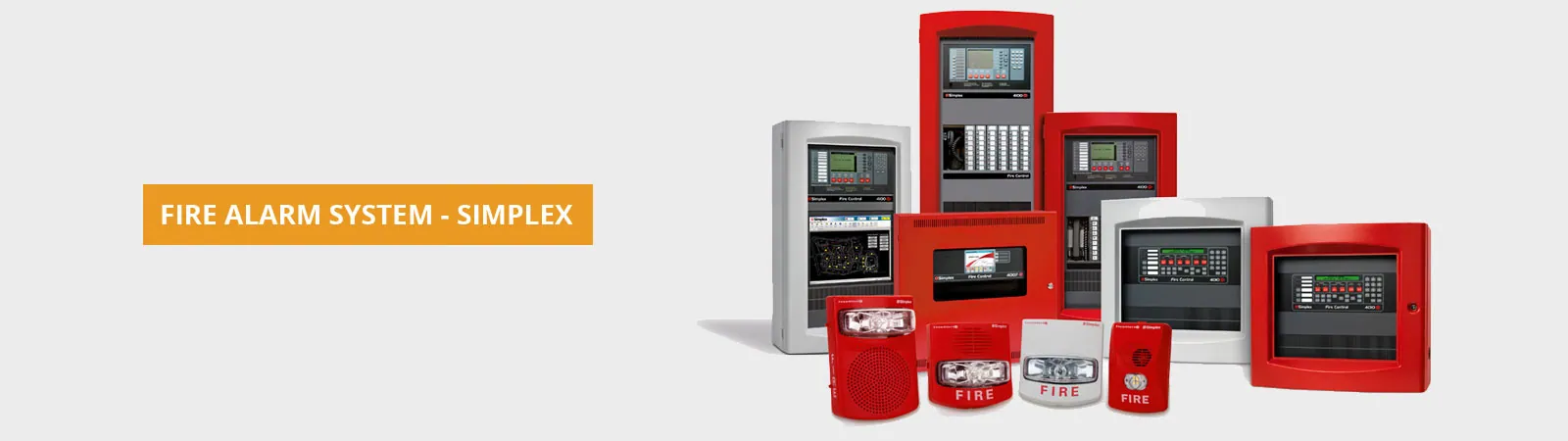
The system everything else waits on — addressable panels, detectors and notification devices…
Solution detail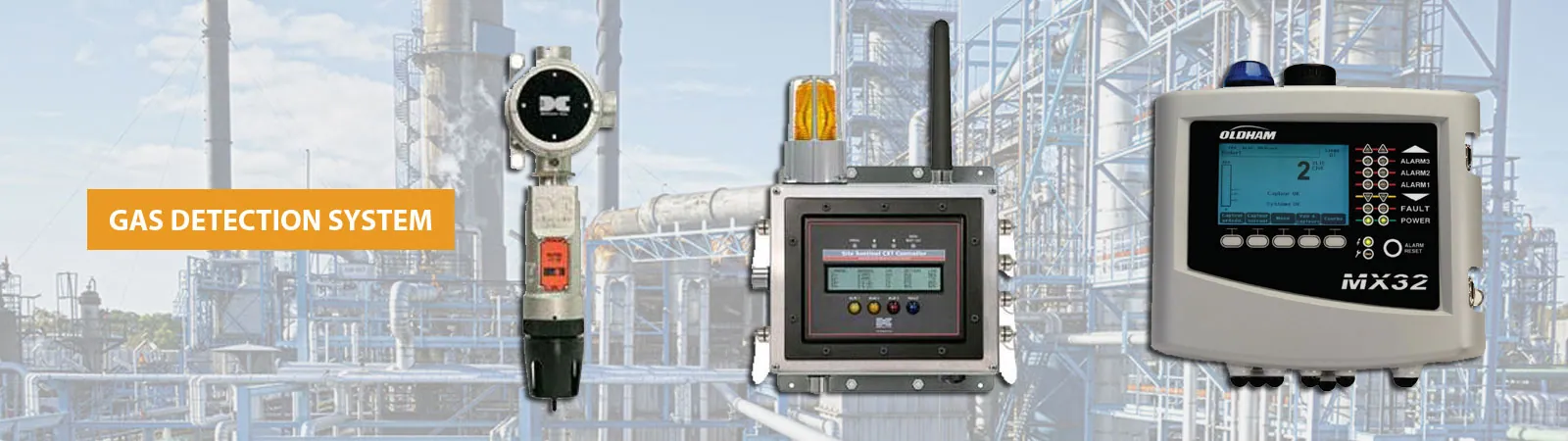
Know a concentration is rising while it is still a ventilation problem — fixed toxic and…
Solution detail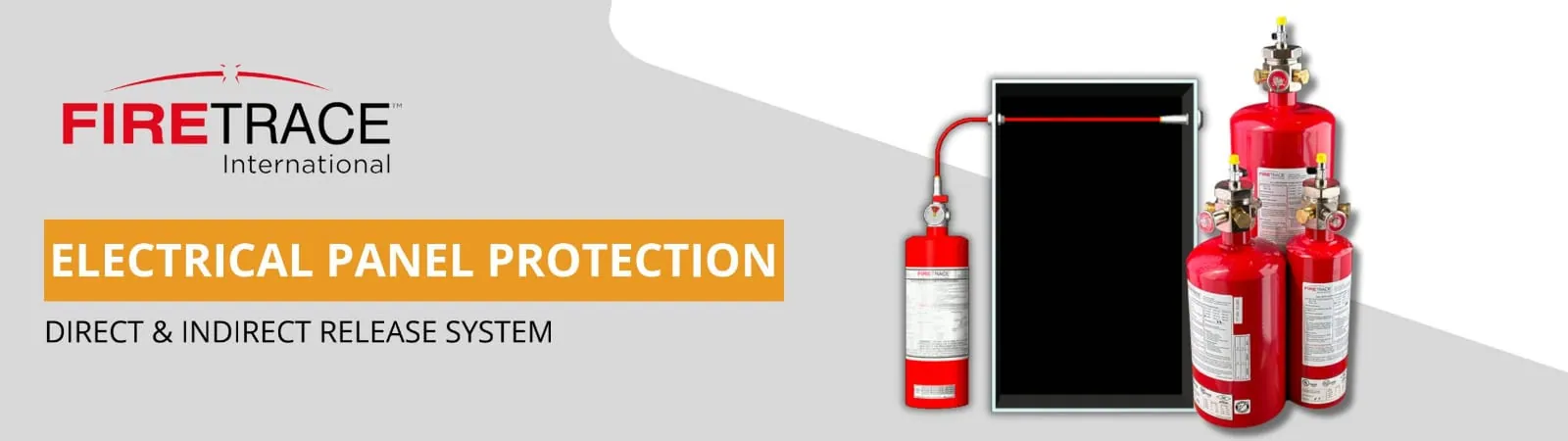
Deal with the fire inside the cabinet, in the first seconds — tube-based suppression that needs…
Solution detailSupplied and commissioned by us, from the manufacturers we are partnered with. Each page carries that manufacturer's own product information and datasheets.
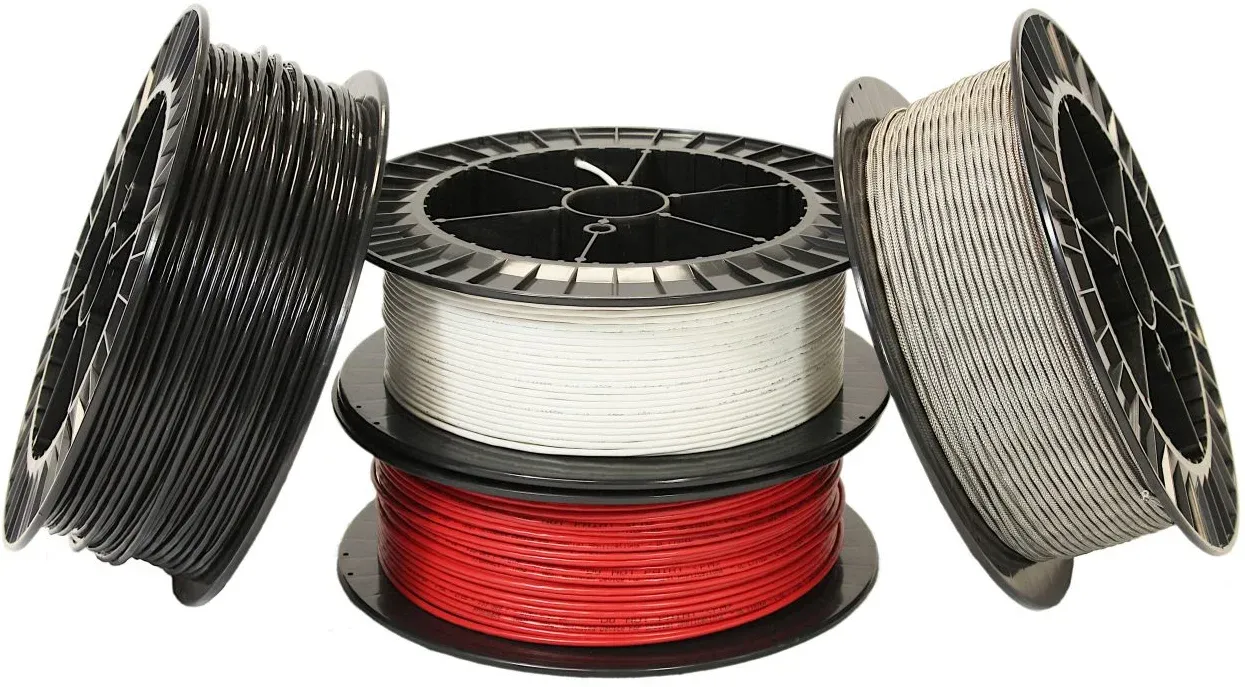
Heat-sensing cable that makes the whole run the detector — for conveyors, cable trays, tunnels…
Product detail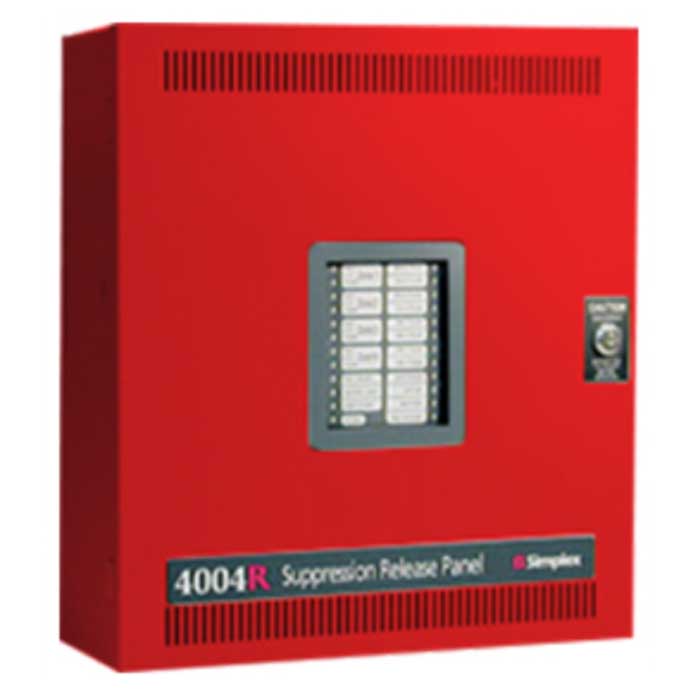
Intelligent fire detection and alarm solutions for modern buildings — addressable control…
Product detail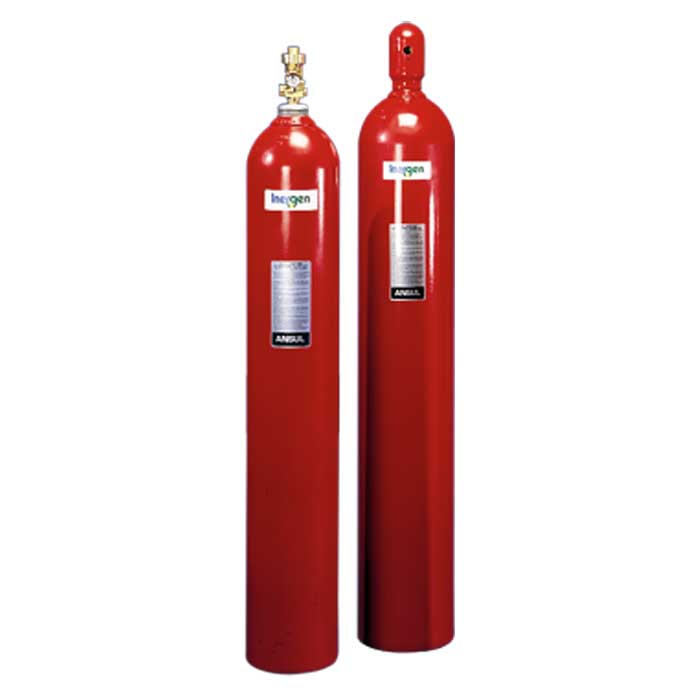
Inert gas suppression that lowers oxygen below what fire needs while remaining survivable for…
Product detail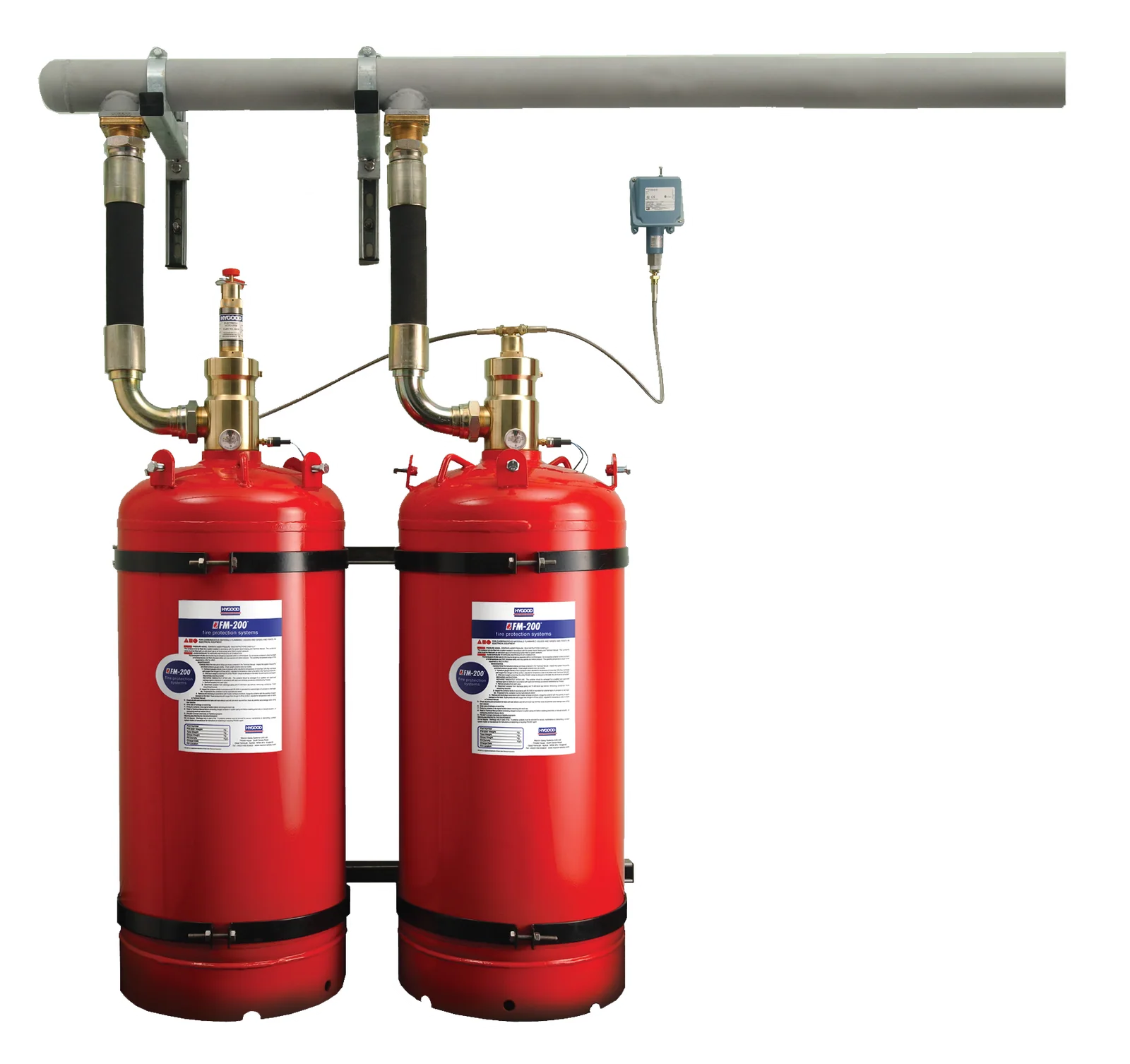
Engineered clean agent suppression for equipment rooms — sized to the volume and proven to hold…
Product detail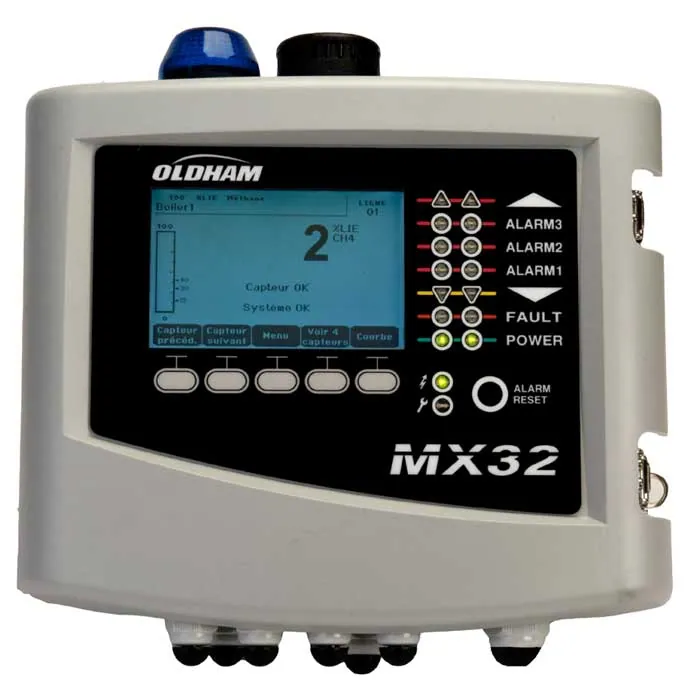
Controllers and fixed detectors for toxic and combustible gases — selected per gas, placed by…
Product detail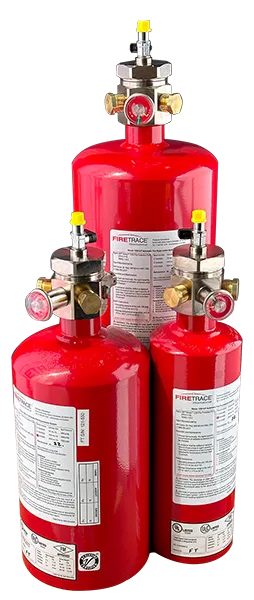
Tube-based suppression that deals with the fire inside the cabinet, in the first seconds, with…
Product detailThese are the things we weigh up in each area.
Deluge protection sized to the transformer, with detection that will operate it fast enough to matter.
Linear heat cable that makes the whole run the detector, because no point device covers a route like that.
High open volumes where beam detection works and ceiling devices do not, with protection for the lube oil systems.
Air-sampling detection with clean agent or inert gas suppression, so the room is usable afterwards.
Detection and suppression suited to the fuel — conveyors, bunkers, tanks or gas, depending on the station.
Detection close to the batteries, suppression that suits the chemistry, and separation from what they feed.
The parts of a power project that need the most care, and how we handle them.
Linear heat cable through galleries and tunnels, air-sampling in control rooms, and beam detection where a turbine hall is too tall for anything else.
Deluge sized to the transformer it protects, clean agent or inert gas for the control rooms, and in-cabinet systems for relay panels.
In-panel detection and suppression, so an electrical fault is dealt with in the enclosure instead of becoming a building fire.
Drawings, zone plans, cause-and-effect and test records, written so your team and your insurer can both read them.
Replacing or extending ageing installations during planned outages, including panels long out of support, once we have established what is connected.
Scheduled servicing and testing under an AMC, with a record of every visit and the same engineers coming back.
The questions plant and maintenance teams ask us first.
Speak directly with one of our fire safety engineers.
Call +91 88795 33000Tell us what is on site and when your next outage window is, and an engineer will come and walk it with you.