

Server rooms where water is not an option
A sprinkler discharge over live hardware costs you the equipment, the data and the downtime all at once.
Server rooms, multi-tenant floors and the systems your business runs on. We design, install and maintain detection that finds a problem early and suppression that does not take the building offline to deal with it.
A commercial building has two jobs to do at once. It has to get people out safely, which is what the alarm system is for. And it has to keep running, which is a different problem entirely — because the response to a small fire in a server room can take you offline longer than the fire would have.
That is why these buildings end up with layers. An addressable alarm system across the whole building for life safety. Air-sampling detection in the rooms that matter, because it finds smoke long before a ceiling device would. Clean-agent suppression where water would do more harm than good. And leak detection, because water is what actually takes most data rooms out.
We work across office buildings and business parks, data centres and server rooms, multi-tenant and managed workspaces, and IT and BPO facilities.
The six points we look at most closely when we survey a commercial or IT building.
A sprinkler discharge over live hardware costs you the equipment, the data and the downtime all at once.
Getting everybody out of a multi-tenant building depends on an alarm that tells each floor the right thing at the right time.
Concentrated electrical load in small rooms, usually behind a door nobody opens from one week to the next.
Vertical routes that carry fire and smoke between floors faster than anything else in the building.
Chilled water, condensate and roof leaks take out more data rooms than fire does, and nobody sees it until the hardware does.
For most of these businesses the hours offline are the loss. Early warning is cheap against that.
Most buildings end up with a mix of these. Which ones you need, and where, comes out of the site visit.
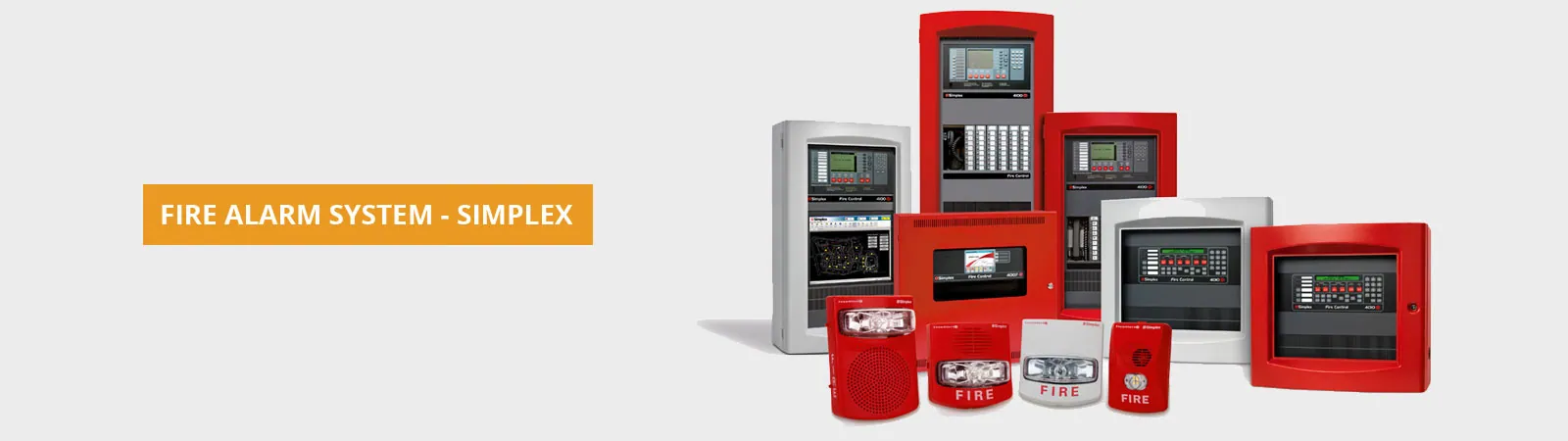
The system everything else waits on — addressable panels, detectors and notification devices…
Solution detail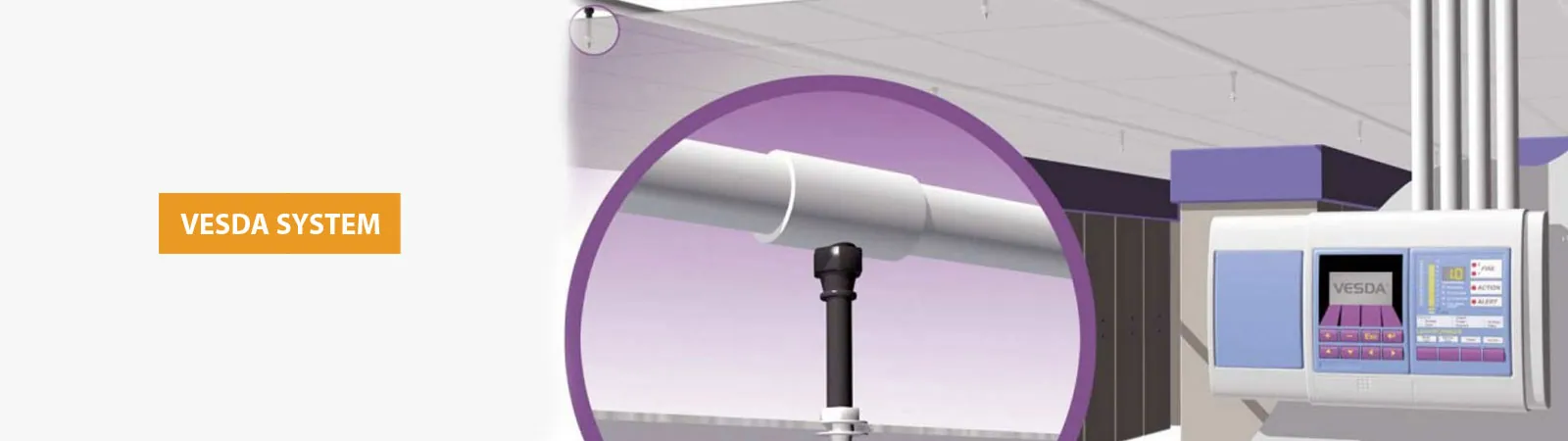
Detect the earliest signs of smoke with air-sampling technology built for critical…
Solution detail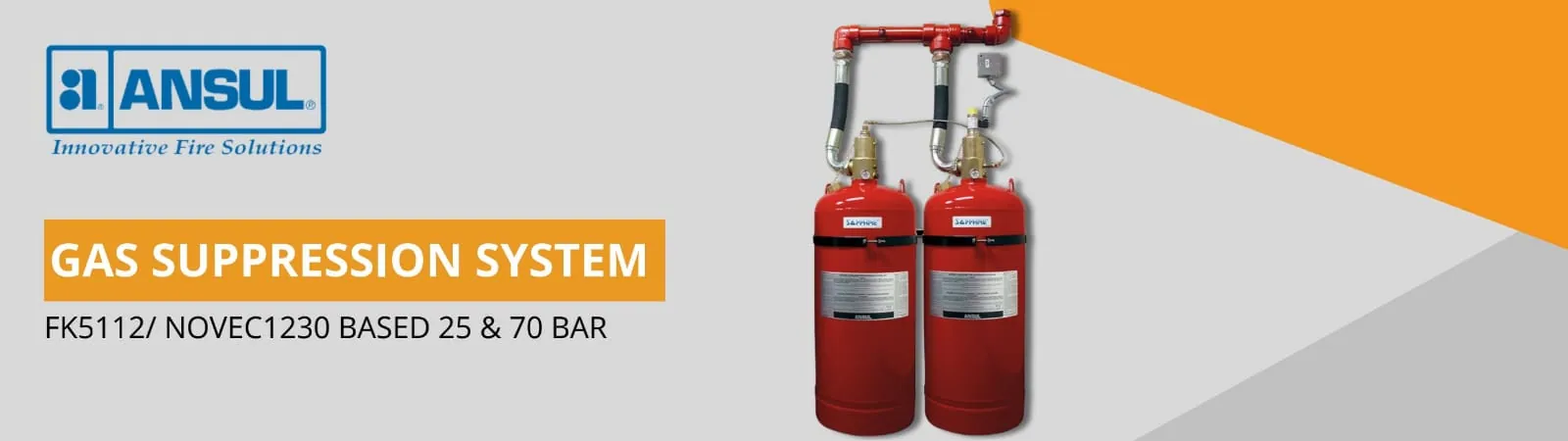
Put the fire out without destroying what it has not reached — inert gas and Novec 1230 systems…
Solution detail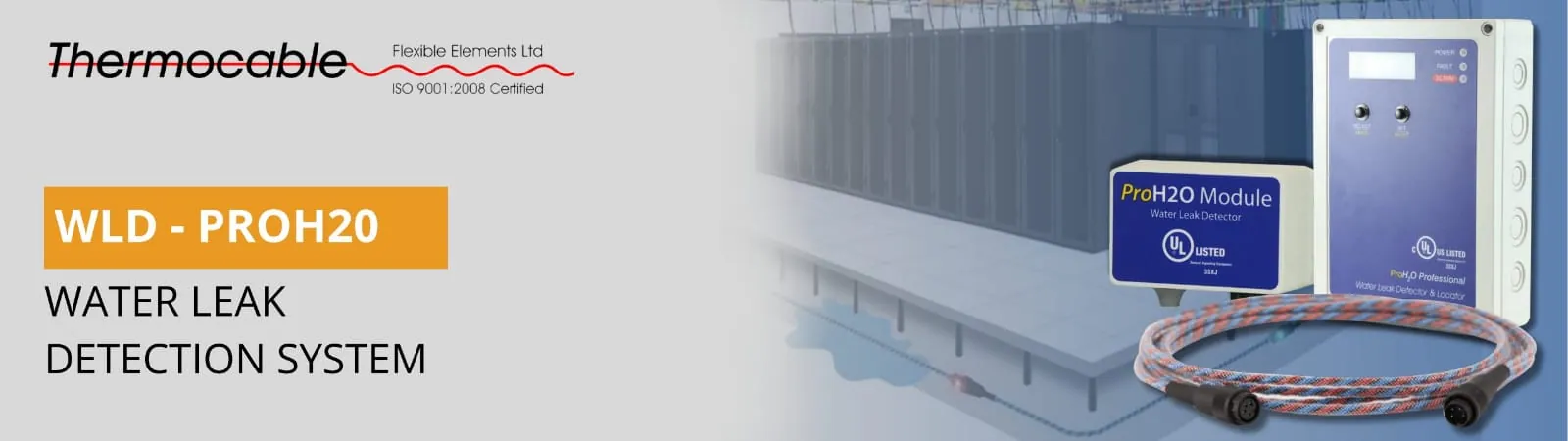
Find the leak while it is still litres — sensing cable that reports where water is escaping,…
Solution detail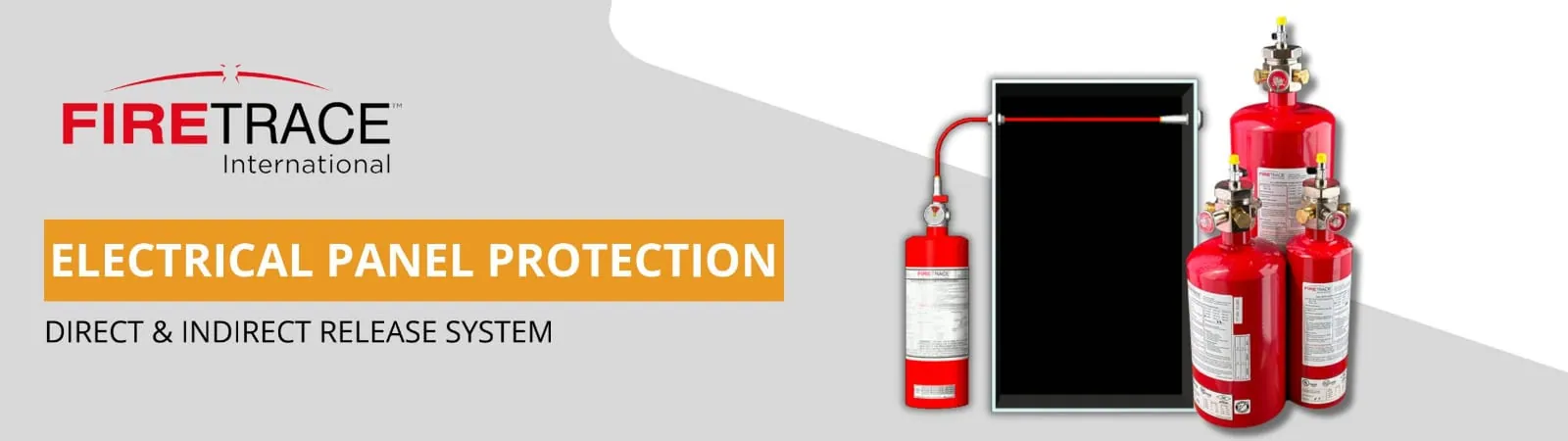
Deal with the fire inside the cabinet, in the first seconds — tube-based suppression that needs…
Solution detail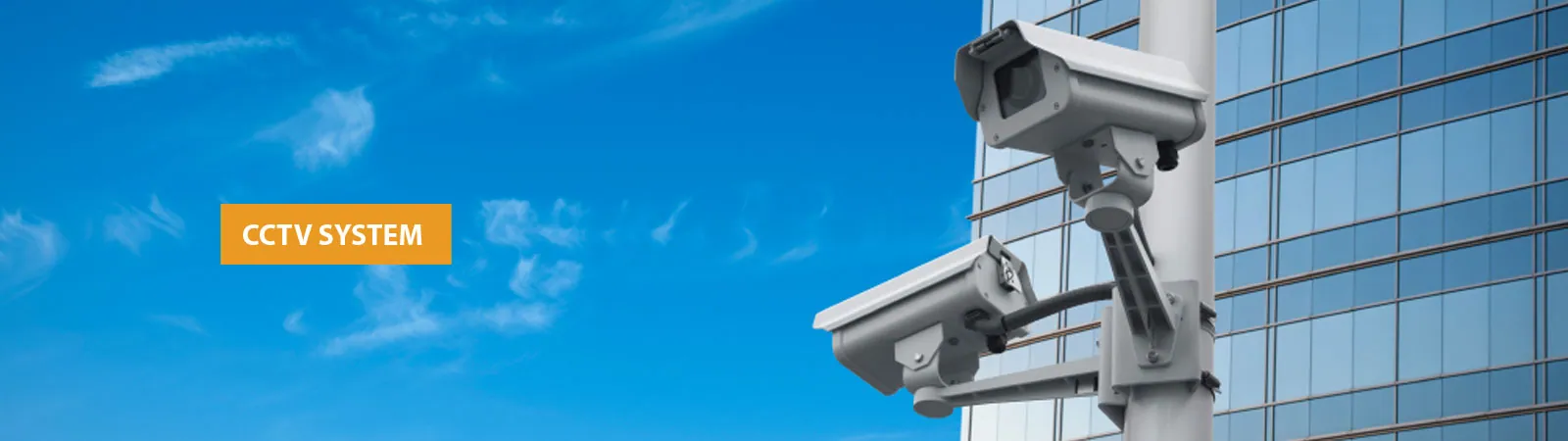
Know who could go where, and what actually happened — surveillance and access control that work…
Solution detailSupplied and commissioned by us, from the manufacturers we are partnered with. Each page carries that manufacturer's own product information and datasheets.
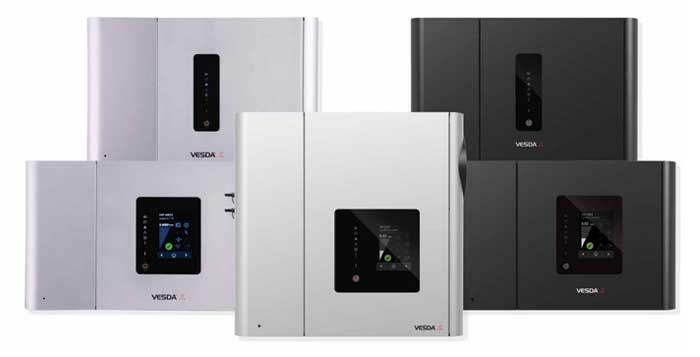
Very early warning air-sampling detection for server rooms, clean rooms and high-value assets —…
Product detail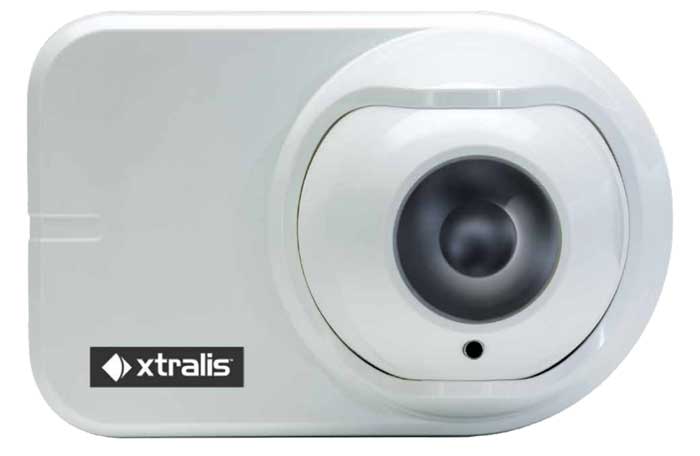
Open-area imaging detection for large volumes, plus compact aspirating detection for smaller…
Product detail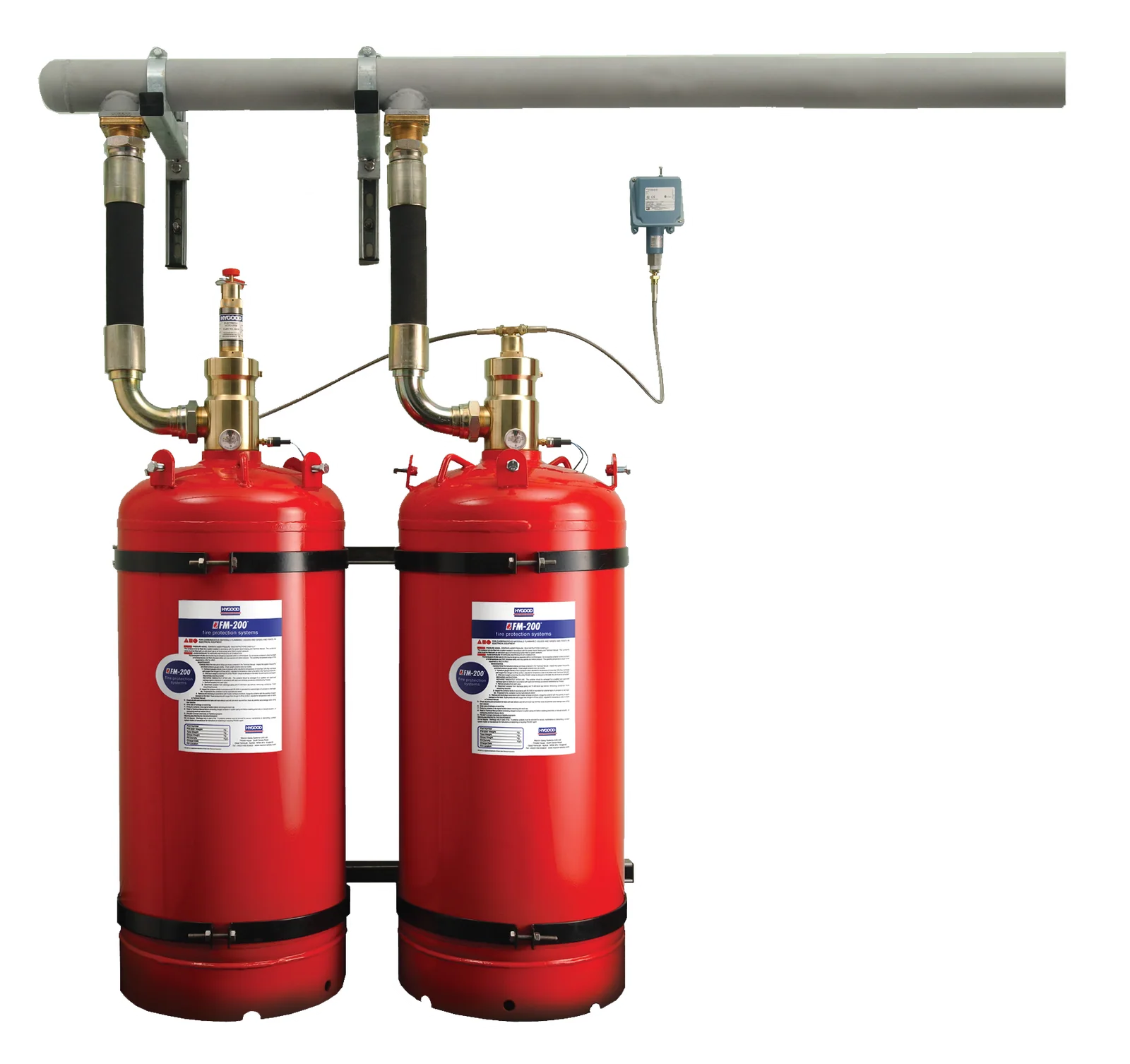
Engineered clean agent suppression for equipment rooms — sized to the volume and proven to hold…
Product detail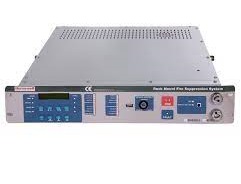
In-rack suppression for server and comms cabinets — protection inside the rack, where…
Product detail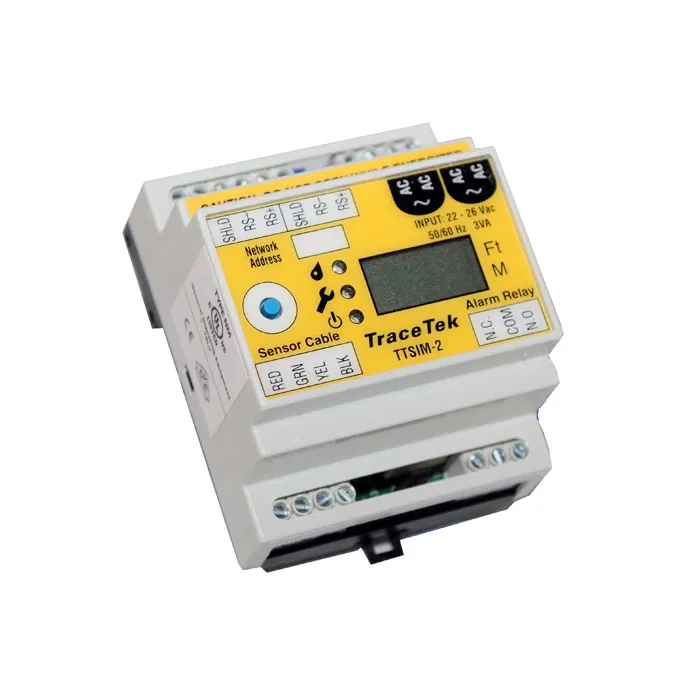
Sensing cable and monitoring modules for water and non-conductive liquids — locating leaks…
Product detail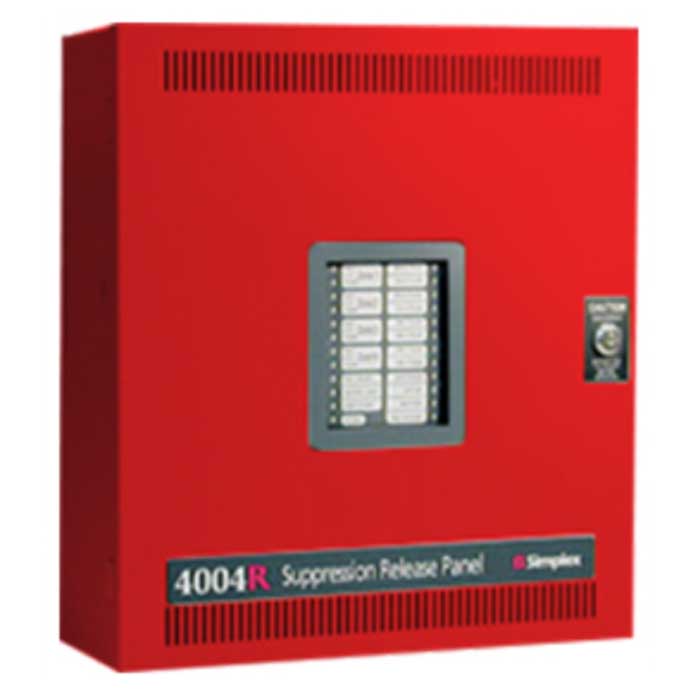
Intelligent fire detection and alarm solutions for modern buildings — addressable control…
Product detailThese are the things we weigh up in each area.
Air-sampling detection for very early warning, clean-agent suppression so the room is usable afterwards, and in-rack systems where the risk sits inside the cabinet.
Detection close to the batteries, suppression that suits the chemistry, and separation from the hardware they feed.
Addressable alarm, detection and sounders, zoned so an alarm tells people on each floor what to do.
Detection in the vertical routes, because that is how smoke gets to the floors above.
Leak detection cable where water would reach the hardware long before anyone noticed.
Beam or linear heat detection across a space that is large, open and usually full of vehicles.










The parts of a commercial project that need the most care, and how we handle them.
Air-sampling detection set for very early warning in rooms where a ceiling device would be far too late, and addressable detection everywhere else.
Clean agent sized to the room as measured, in-rack systems for cabinets, and sprinklers for the general building.
In-panel detection and suppression, so an electrical fault is dealt with in the enclosure instead of becoming a building fire.
Drawings, zone plans, cause-and-effect and test records, written so your team and your insurer can both read them.
Extending or replacing what is already in the building, including systems we did not install, once we have checked the panel has the capacity.
Scheduled servicing and testing under an AMC, with a record of every visit and the same engineers coming back.
The questions facilities and IT teams ask us first.
Speak directly with one of our fire safety engineers.
Call +91 88795 33000Tell us what is in your server rooms and how the building is occupied, and an engineer will come and look.