

Data rooms where water is not an option
A discharge over live hardware destroys more than the fire reached, and the DR switchover costs you the rest.
Data rooms, vaults and branch networks hold things you cannot simply replace. We design, install and maintain detection that finds a problem early and suppression that does not destroy what it is protecting.
In most buildings the fire is the loss. In banking it often is not. A sprinkler head opening over a data room or a record archive can cost more than the fire that set it off, and no insurance claim puts the records back.
So the job here is early warning and a response that leaves the room usable. Air-sampling detection picks up smoke long before a ceiling detector would. Clean-agent suppression puts the fire out and leaves nothing behind. Water leak detection catches the other thing that ruins a data room, which is water nobody noticed.
We work across head offices, data centres and DR sites, regional and branch networks, vaults and record archives, and the UPS and battery rooms that keep all of it running.
The six points we look at most closely when we survey a bank or financial site.
A discharge over live hardware destroys more than the fire reached, and the DR switchover costs you the rest.
Paper records are irreplaceable, and the rooms holding them are usually sealed, unoccupied and rarely checked.
High electrical load in a small sealed room, often with battery chemistry that is hard to cool once it goes.
Dozens of small sites, each with its own landlord, its own layout and nobody on site who owns fire safety.
Chilled water, condensate and roof leaks take out data rooms more often than fire does.
A branch that cannot open, or a system that is down, costs more than the equipment in the room.
Most sites end up with a mix of these. Which ones you need, and where, comes out of the site visit.
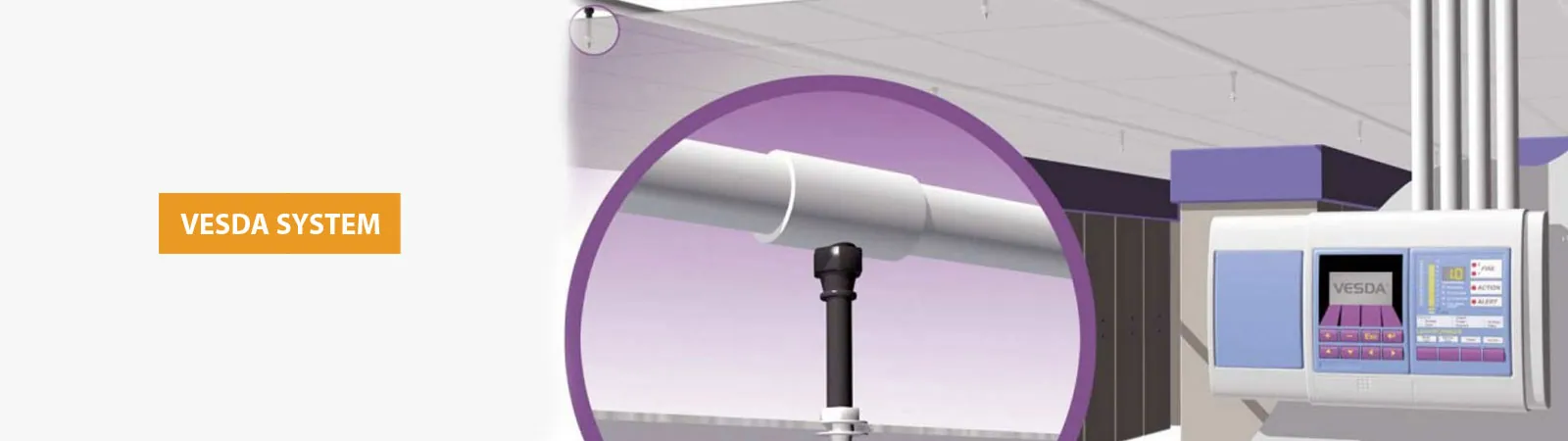
Detect the earliest signs of smoke with air-sampling technology built for critical…
Solution detail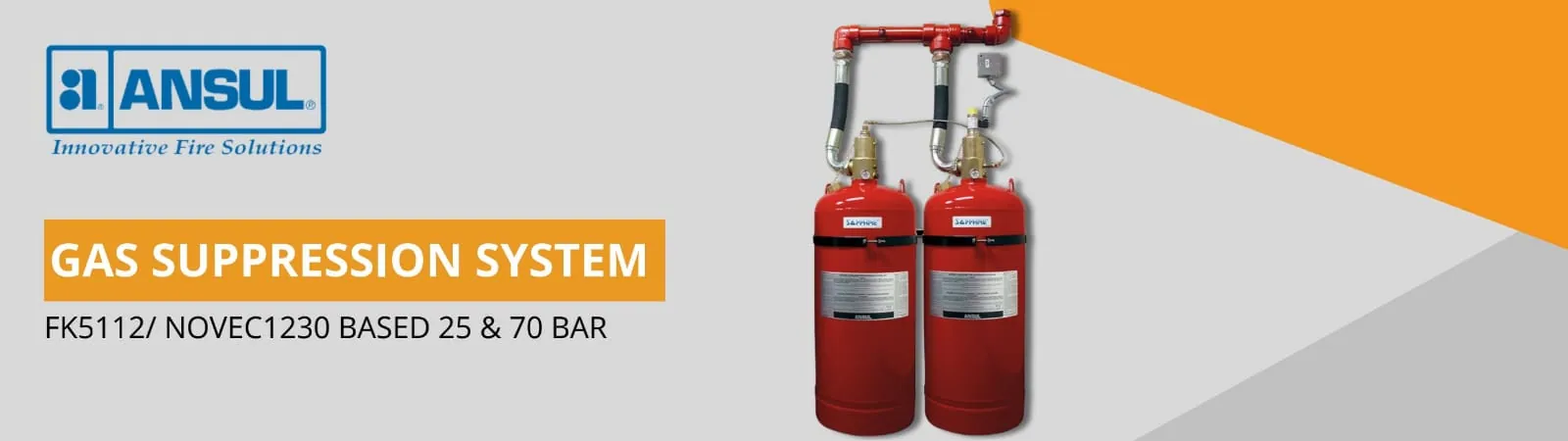
Put the fire out without destroying what it has not reached — inert gas and Novec 1230 systems…
Solution detail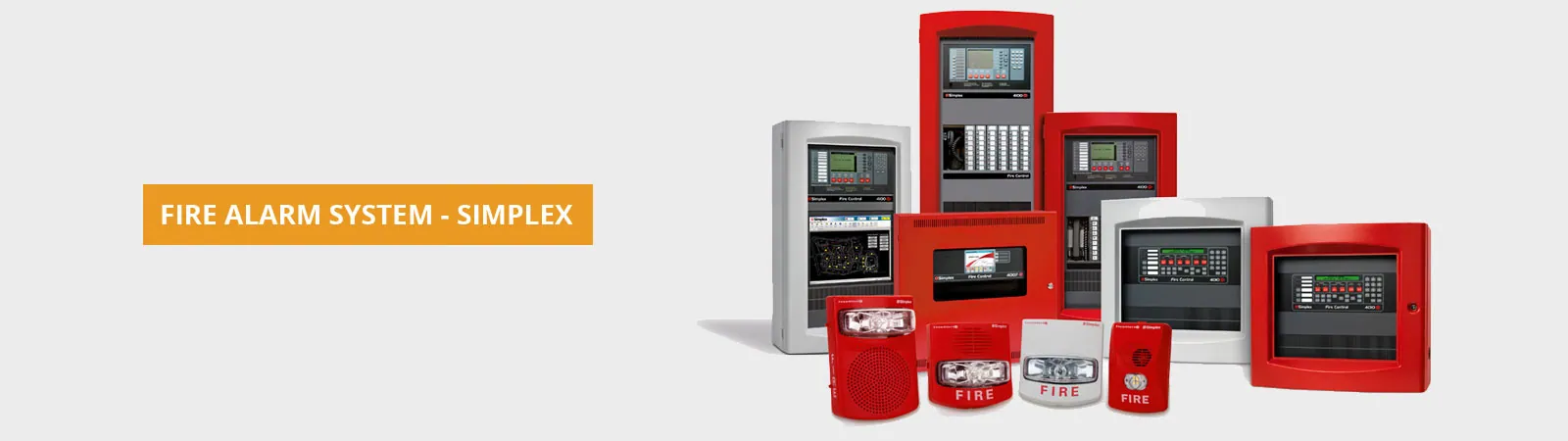
The system everything else waits on — addressable panels, detectors and notification devices…
Solution detail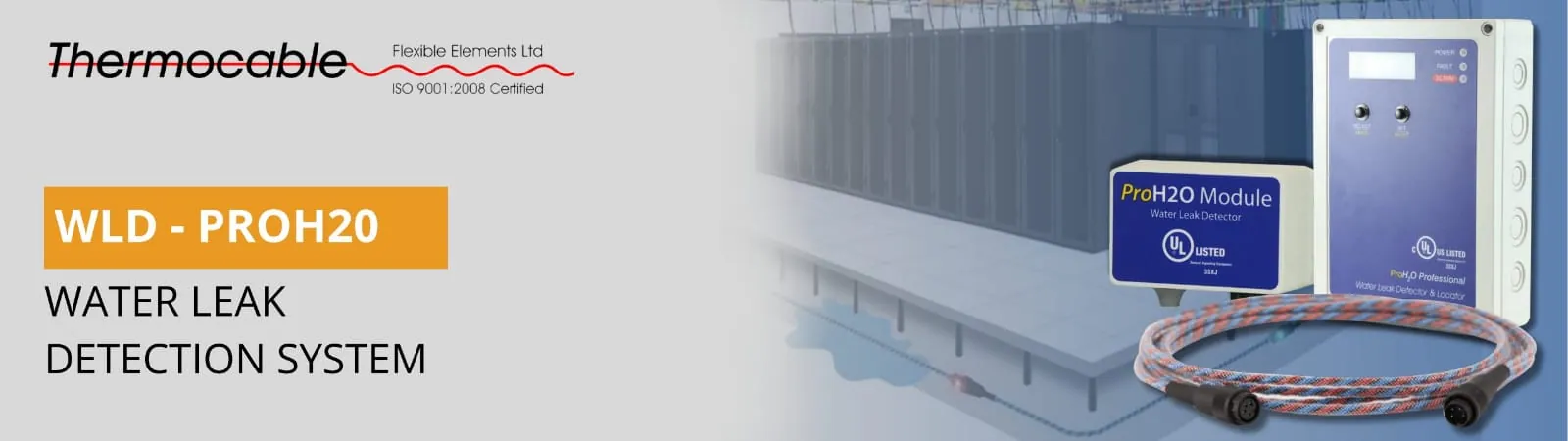
Find the leak while it is still litres — sensing cable that reports where water is escaping,…
Solution detail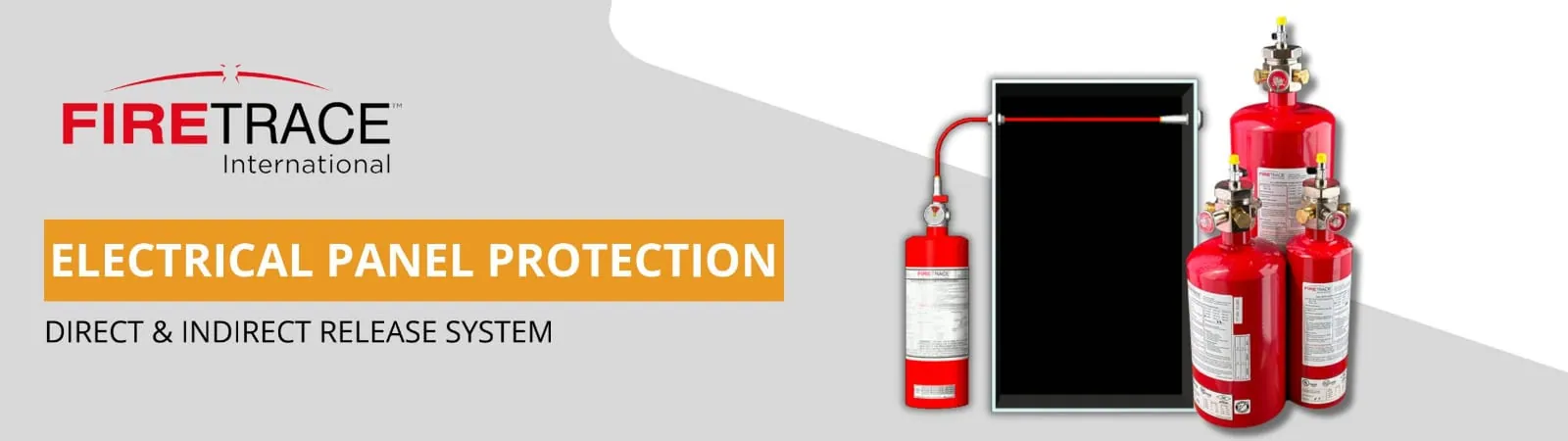
Deal with the fire inside the cabinet, in the first seconds — tube-based suppression that needs…
Solution detail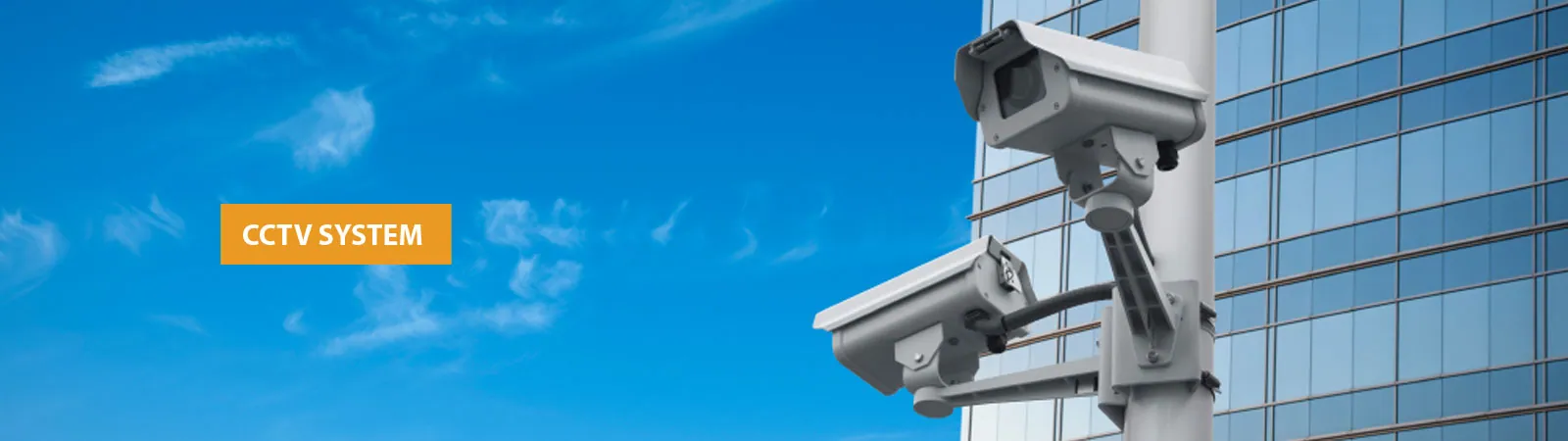
Know who could go where, and what actually happened — surveillance and access control that work…
Solution detailSupplied and commissioned by us, from the manufacturers we are partnered with. Each page carries that manufacturer's own product information and datasheets.
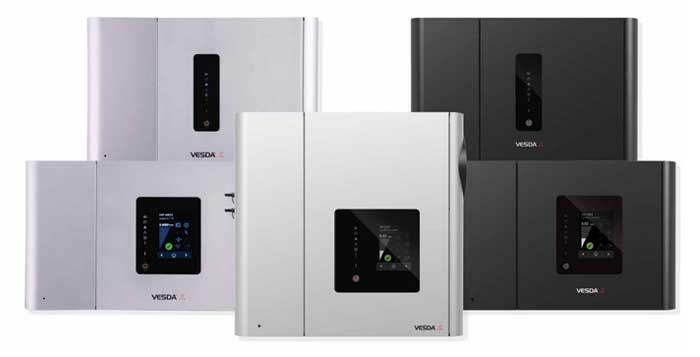
Very early warning air-sampling detection for server rooms, clean rooms and high-value assets —…
Product detail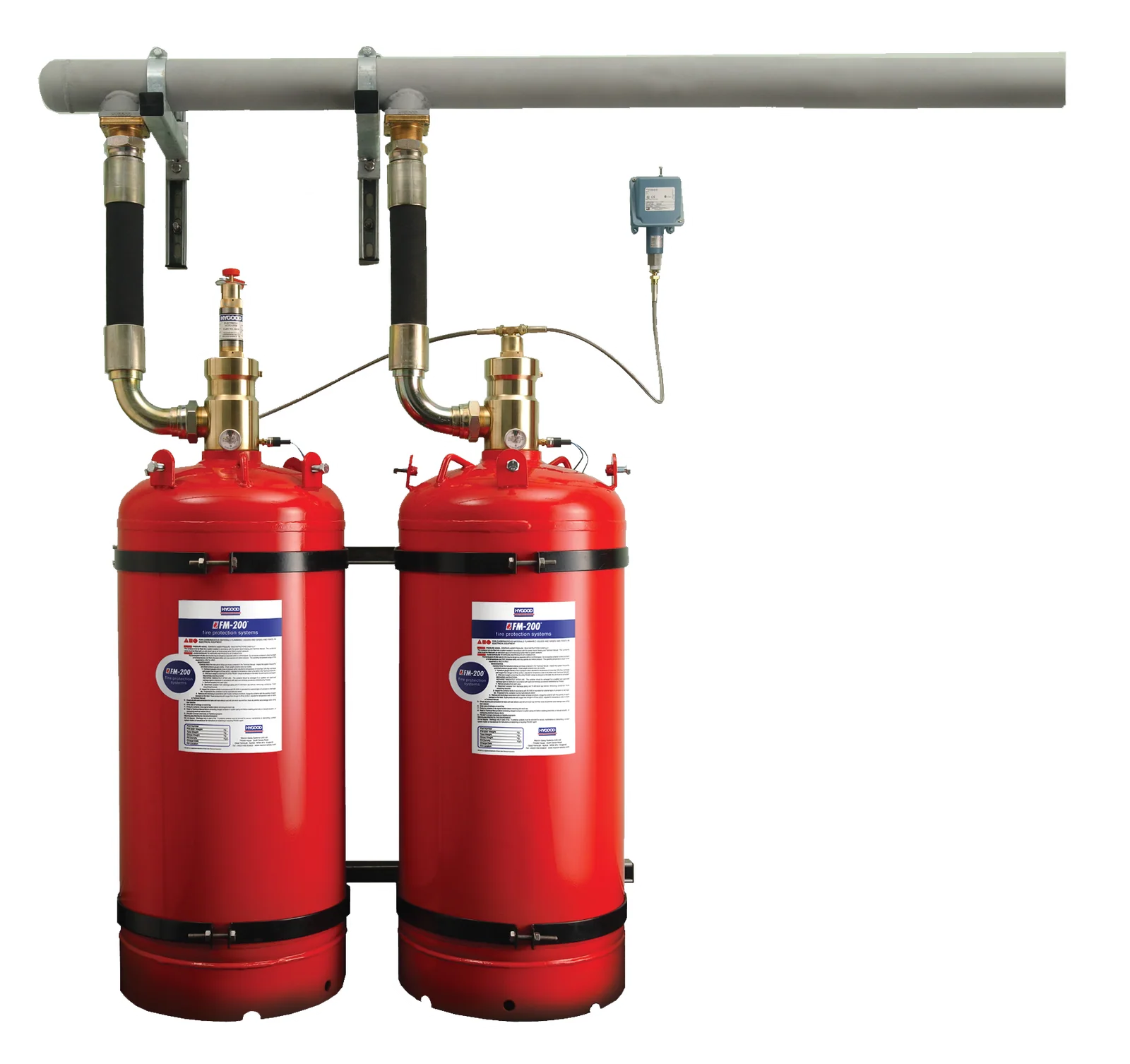
Engineered clean agent suppression for equipment rooms — sized to the volume and proven to hold…
Product detail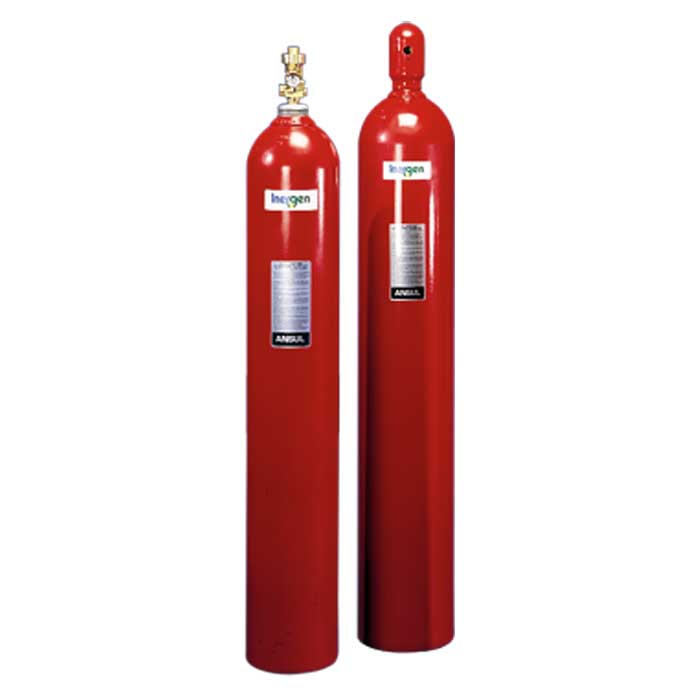
Inert gas suppression that lowers oxygen below what fire needs while remaining survivable for…
Product detail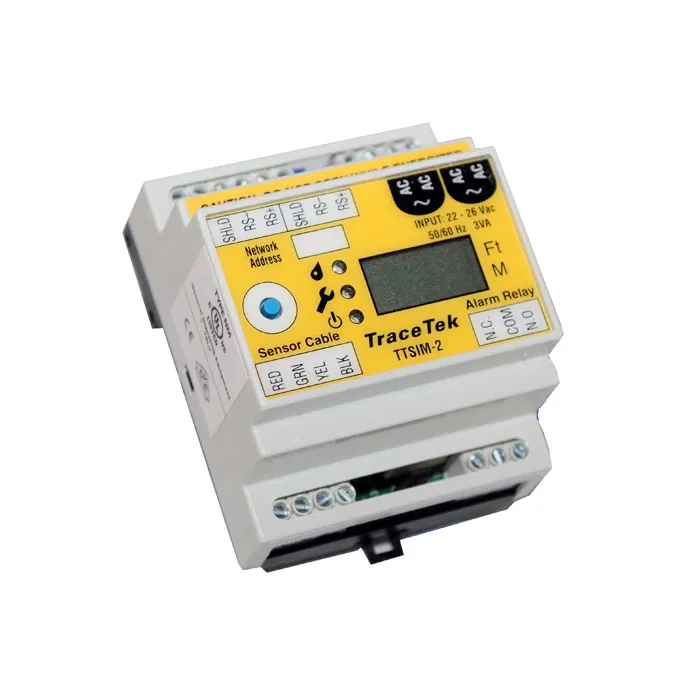
Sensing cable and monitoring modules for water and non-conductive liquids — locating leaks…
Product detail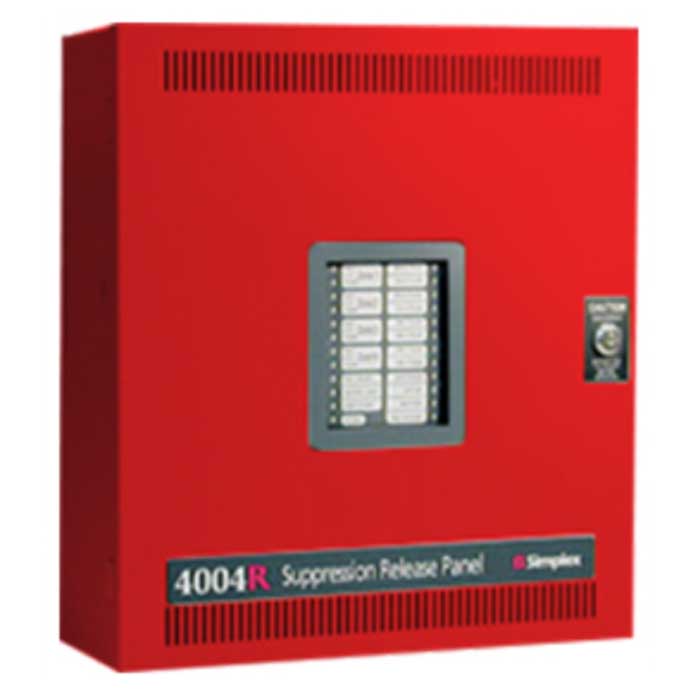
Intelligent fire detection and alarm solutions for modern buildings — addressable control…
Product detail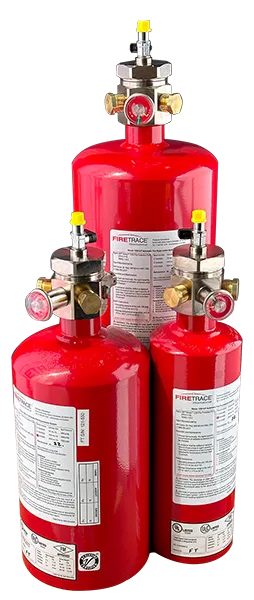
Tube-based suppression that deals with the fire inside the cabinet, in the first seconds, with…
Product detailThese are the things we weigh up in each area.
Air-sampling detection for very early warning, with clean-agent suppression so the room stays usable afterwards.
Sealed rooms that nobody visits need detection that samples the air rather than waiting for smoke to find it.
Detection close to the batteries, suppression suited to the chemistry, and separation from everything else.
Conventional alarm, detection and sounders for the people in the building, to one specification across the network.
Leak detection cable where water would reach the hardware before anyone would see it.
Access control and CCTV that work with the fire system rather than locking people in during an evacuation.


The parts of a banking project that need the most care, and how we handle them.
Air-sampling detection set for very early warning in rooms where a ceiling detector would be far too late.
Clean agent and inert gas for data rooms and archives, sized to the room as measured rather than to a rule of thumb.
In-panel detection and suppression, so an electrical fault is dealt with in the enclosure instead of becoming a building fire.
Drawings, zone plans, cause-and-effect and test records, written so your team and your insurer can both read them.
Rolling the same specification across a branch network, including sites we did not originally fit, once we have checked what each one has.
Scheduled servicing and testing under an AMC, with a record of every visit and the same engineers coming back.
The questions facilities and risk teams ask us first.
Speak directly with one of our fire safety engineers.
Call +91 88795 33000Tell us about your data rooms, your archives and how many branches you run, and an engineer will come and look.