

Tall racking
The gaps between pallets act like chimneys. Fire climbs them much faster than it spreads across the floor.
A warehouse fire spreads fast and is hard to get to. The racking is tall, the space is open, and the forklifts charge overnight. We design, install and look after the systems that catch a fire early — and deal with it before your stock goes.
A warehouse holds a great deal that burns, in one tall open space, and most of the time nobody is standing in it. A fire that starts on the floor has racking to climb and very little in its way. By the time you can see it from outside, the stock has gone.
The other difficulty is height. Above roughly ten or twelve metres an ordinary ceiling detector is close to useless, because smoke cools and spreads out before it ever gets there. So detection in these buildings has to work across the volume rather than at the top of it, and sprinkler protection has to be sized against what is actually in the racks.
We design, install, commission and maintain fire systems across distribution centres, fulfilment and e-commerce centres, high-bay and automated warehouses, cold storage, third-party logistics sites, and the stores attached to factories.
The six points we look at most closely when we survey a storage site.
The gaps between pallets act like chimneys. Fire climbs them much faster than it spreads across the floor.
Packaging, plastics and aerosols burn hard — and on a 3PL site, what is in the racks changes with the contract.
Forklift chargers run hot for hours. Lithium-ion batteries can also fail in a way that is very hard to cool down.
Panels, chargers and lighting sit high up or behind stock. A fault there is not seen and not heard.
Aisles, mezzanines and roof voids take time to get to — and longer once the building is full of smoke.
Losing a shift at a DC costs far more than the pallets on the floor. That is the real reason to pay for early warning.
Most warehouses end up with a mix of the systems below. Which ones you actually need, and how much of each, comes out of the site visit — not off a list.
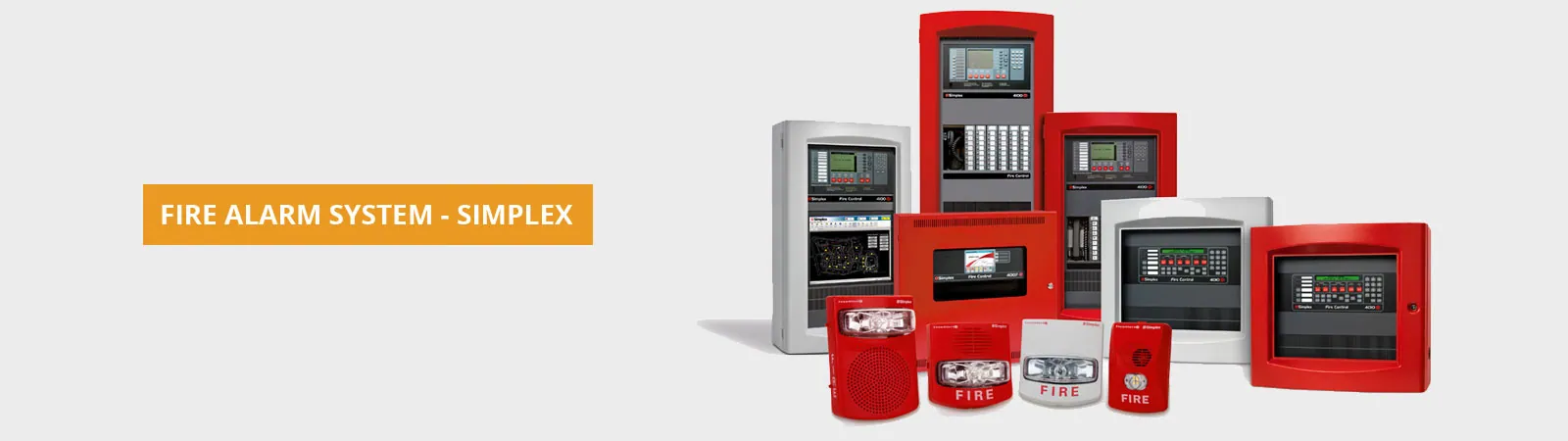
The system everything else waits on — addressable panels, detectors and notification devices…
Solution detail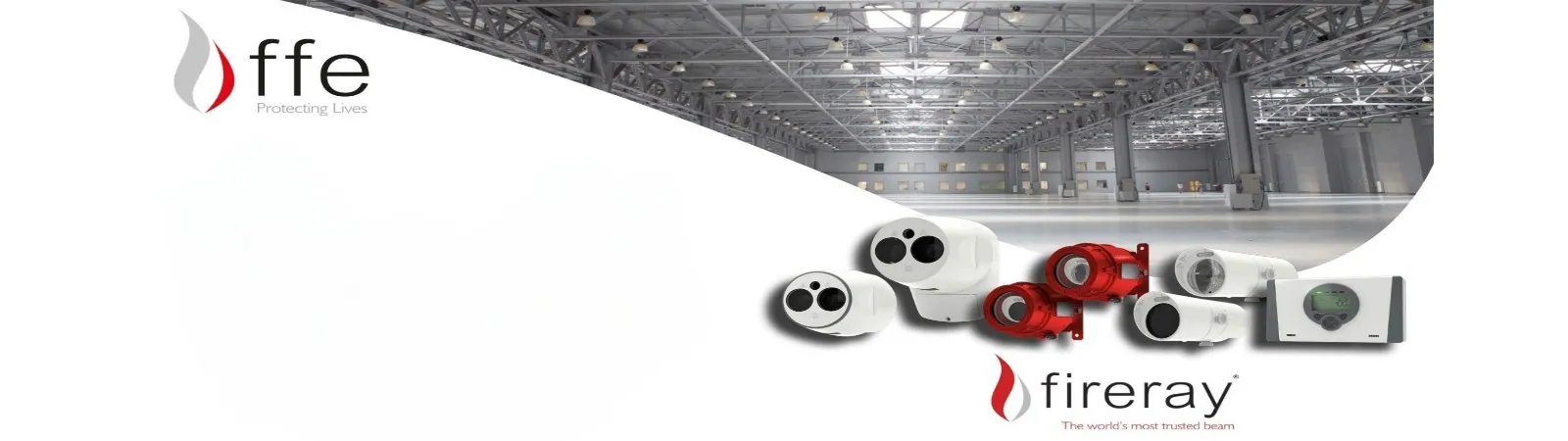
Cover large, tall volumes with a single detector — for warehouses, atriums and production halls…
Solution detail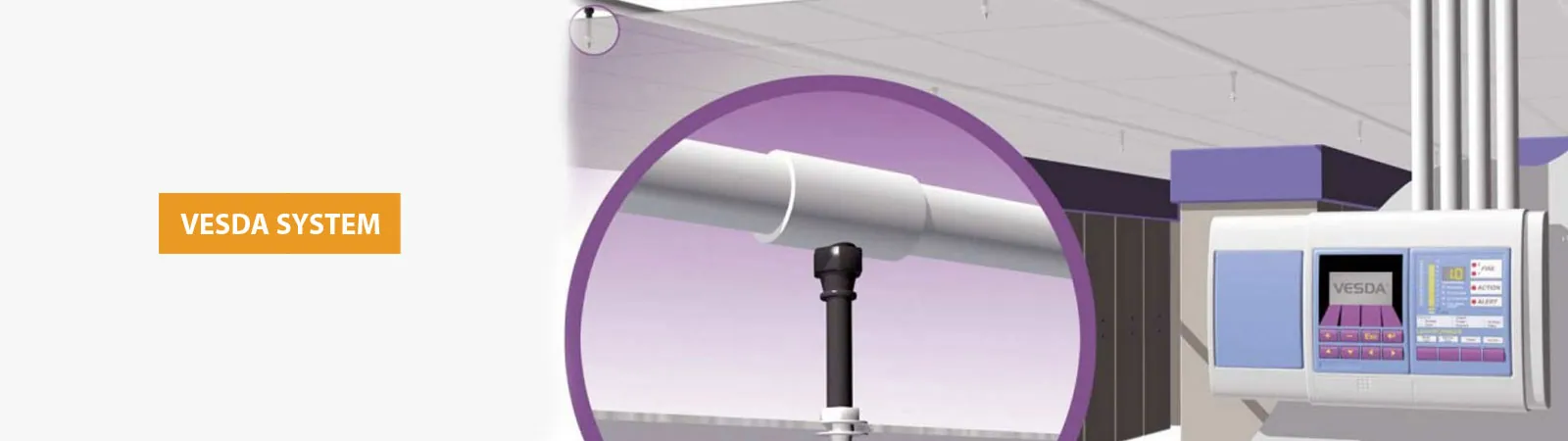
Detect the earliest signs of smoke with air-sampling technology built for critical…
Solution detail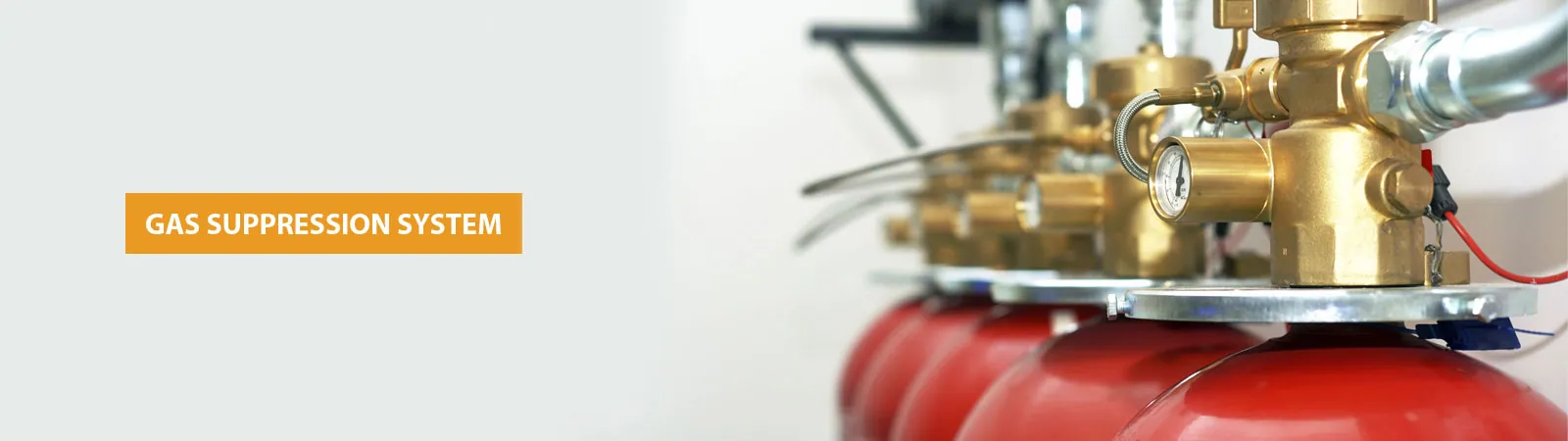
The layer that works with nobody present — wet, pre-action and deluge systems designed to your…
Solution detailCatch thermal runaway in the only window that matters — off-gas detection for battery rooms,…
Solution detail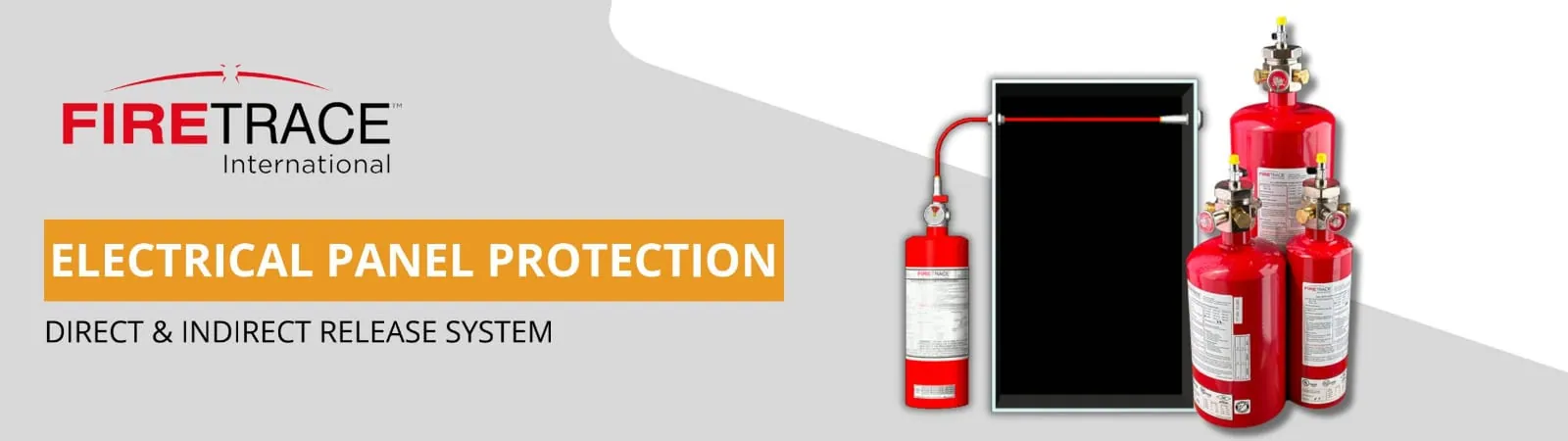
Deal with the fire inside the cabinet, in the first seconds — tube-based suppression that needs…
Solution detailWe supply and commission kit from the manufacturers we are partnered with. Each page below has that manufacturer's own product information and datasheets.
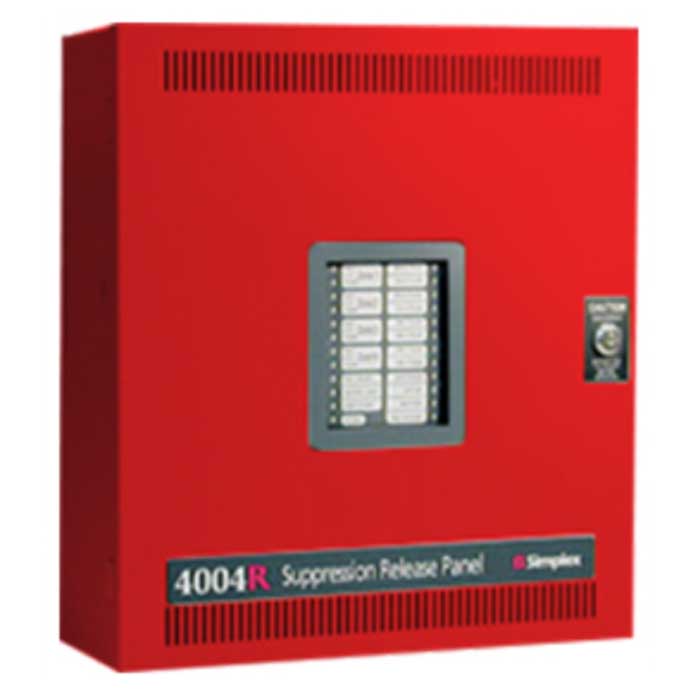
Intelligent fire detection and alarm solutions for modern buildings — addressable control…
Product detail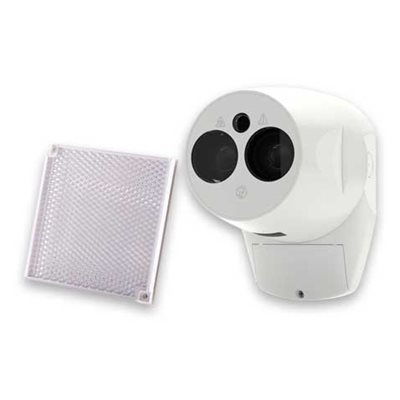
Beam smoke detection for large, tall volumes — one device covering what a grid of point…
Product detail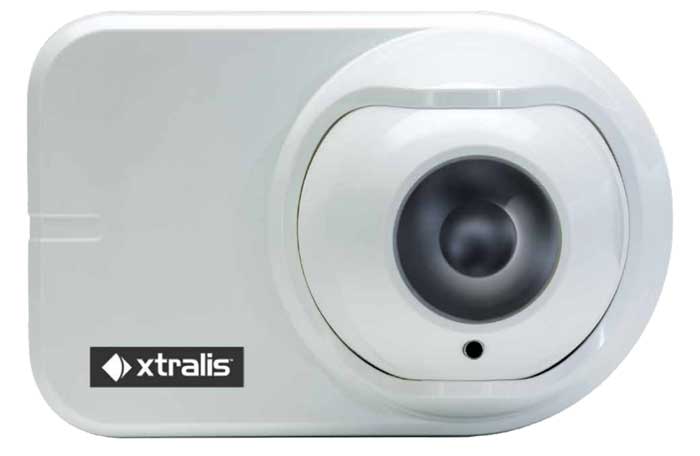
Open-area imaging detection for large volumes, plus compact aspirating detection for smaller…
Product detail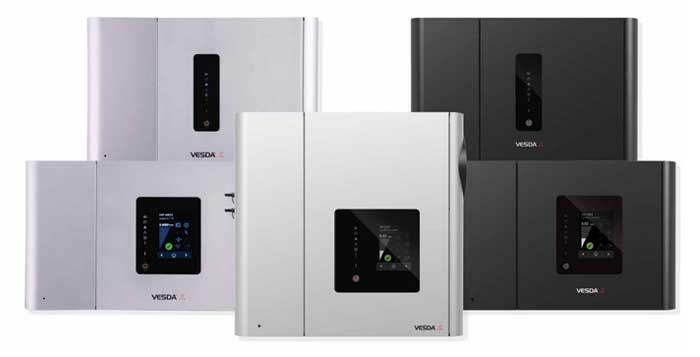
Very early warning air-sampling detection for server rooms, clean rooms and high-value assets —…
Product detail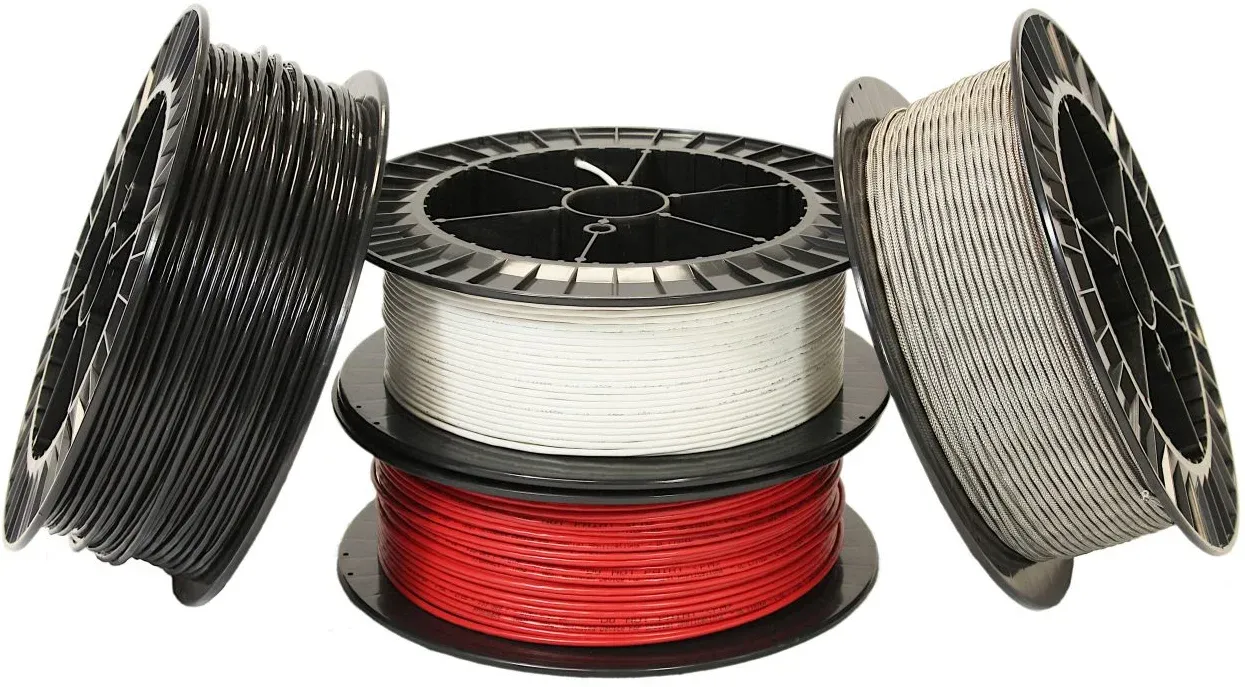
Heat-sensing cable that makes the whole run the detector — for conveyors, cable trays, tunnels…
Product detail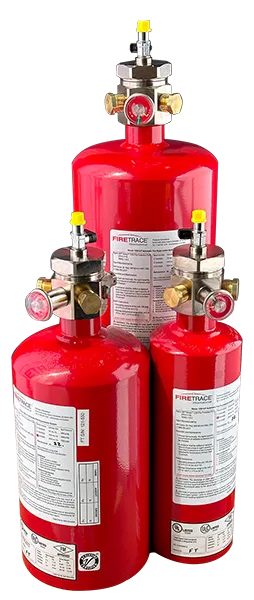
Tube-based suppression that deals with the fire inside the cabinet, in the first seconds, with…
Product detailOne answer does not cover the whole building. What works down a 14-metre aisle is the wrong thing at a loading door or in a charging bay.
Height is the problem here. Beam detection watches across the whole space, and sprinklers are sized for what is actually in the racks.
Doors open, trucks moving, dust and draught. Detection has to cope with all of that without going off for nothing.
We treat this as its own zone — detection right by the chargers, the right kind of suppression for the battery, and distance from the stock.
Detection inside the panel and suppression in the cabinet, so a fault is dealt with there rather than in the room.
Normal alarm, detection and sounders for the people working there, run off the same panel as the warehouse floor.
The kit that runs the site. Usually air-sampling detection plus a suppression system that leaves nothing behind.

One approved logo is shown. A client only goes up here once they have agreed to it in writing, which is why this wall is shorter than our job list.
The parts of a warehouse project that need the most care, and how we handle them.
Beam detection set up for the height you actually have, and aimed so racking and lighting runs do not sit in the path.
Storage protection is designed against the commodity and the rack configuration, not the floor area. Get that wrong and the system is decorative.
Detection close to the chargers, suppression that suits the battery, and separation from the stock. We do not fold this into the general floor design.
In-panel detection and suppression so an electrical fault is dealt with in the enclosure instead of becoming a building fire.
Drawings, zone plans, cause-and-effect and test records, written so your team and your insurer can both read them.
Scheduled servicing and testing under an AMC, with a record of every visit and the same engineers coming back.
The questions warehouse and logistics teams ask us first.
Speak directly with one of our fire safety engineers.
Call +91 88795 33000Tell us what you store, how high you stack it and where you charge. One of our engineers will walk the building and come back with a system built around it.