
Tells you where
Distance-to-leak reporting turns an alarm into an instruction.
Find the leak while it is still litres — sensing cable that reports where water is escaping, not just that it is.
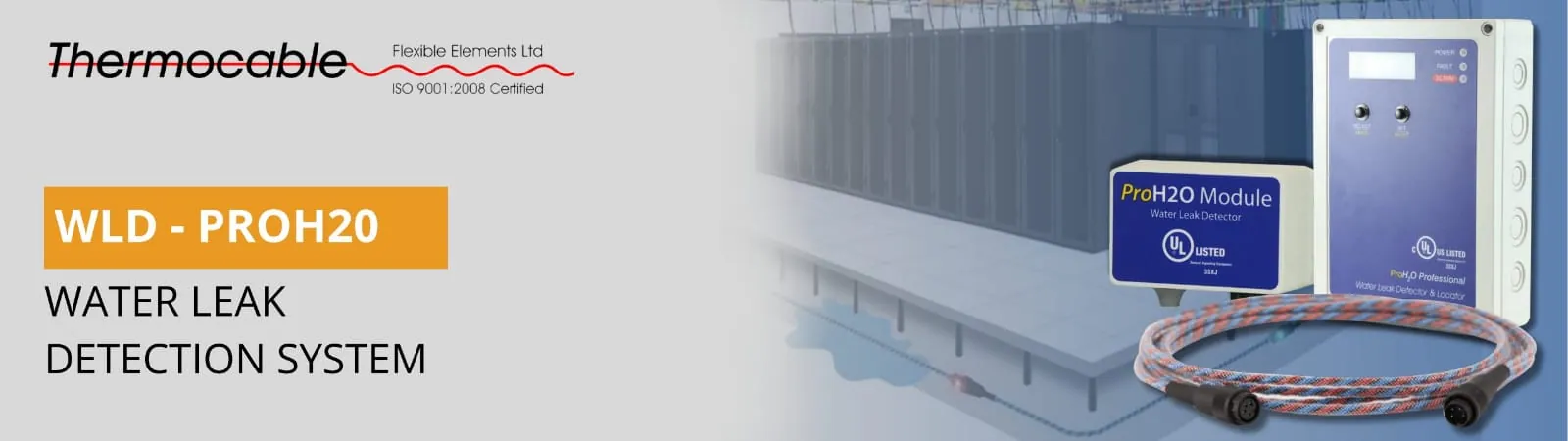
Water rarely arrives in a critical room as a dramatic event. It arrives as a weeping joint on a chilled water line, a blocked condensate drain or a failed gland, somewhere under a raised floor. It runs for hours or days at a rate nobody notices, and it is found when something electrical finally stops working.
Leak detection cable addresses the geometry of that problem. A single spot sensor only knows about the point it occupies, and water does not travel to convenient points — it follows the fall of the slab. Sensing cable is laid along the risk instead, so the detection follows the same path the water will.
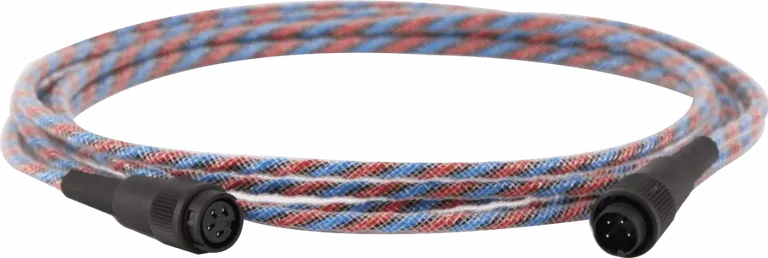
Sensing cable is routed along pipework, plant and the low points of the floor void.
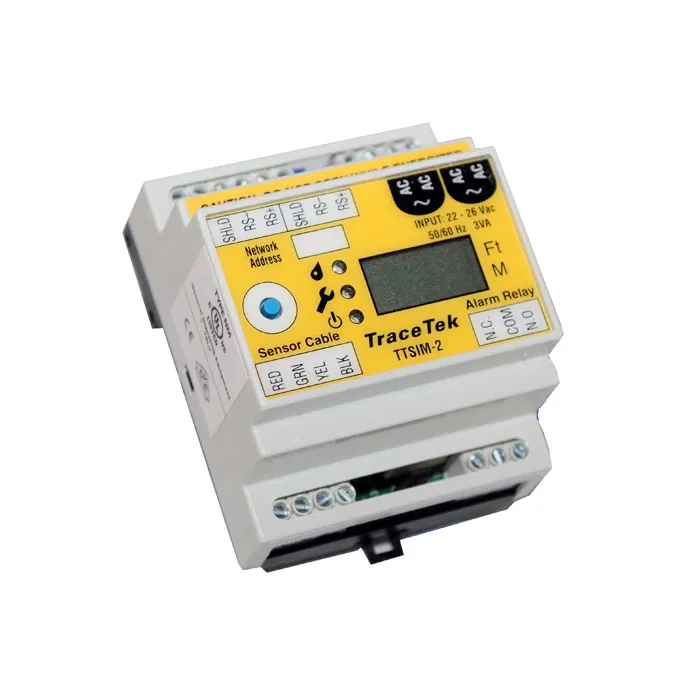
The panel monitors the cable's electrical characteristics along its length.
Water bridging the cable changes those characteristics, and the panel calculates the distance.
The alarm is raised locally and remotely, and can drive valve isolation.
Distance-to-leak reporting turns an alarm into an instruction.
Cable is laid along the route water takes, not at arbitrary points.
Reports while the volume is still litres rather than after an outage.
Raised floors, battery rooms, plant rooms and cable containment.
Out-of-hours leaks are reported rather than discovered later.
Interfaces to BMS and valve shut-off where the design calls for it.
The system costs a fraction of one flooded UPS room, which is why for most critical facilities it pays for itself the first time it catches something.
Raised floors, CRAC units and chilled water pipework.
Industry detailWhere water reaching energised equipment causes an outage.
Industry detailProcess water and purified water distribution.
Industry detailIrreplaceable records below pipework or plant.
Industry detailRiser and plant room pipework above occupied space.
Industry detailLow points where ingress collects unnoticed.
Industry detailAlso used for fuel and oil sensing where a non-conductive leak has to be detected. Whether a locating or a simple zone system suits depends on the length of the run and how costly it is to search, which the site assessment establishes.
The leak detection ranges we are an authorised partner for.
Leak detection is normally specified as part of the critical-facility design rather than under fire legislation, and is commonly required by data-centre availability standards and by insurers for critical plant.
Where it interfaces with electrical isolation or valve control, that work follows the relevant IS and IEC practice for the installation.
We confirm product suitability against your consultant's specification and the conditions your insurer applies to the facility.
What facility and critical-environment teams usually ask about leak detection.
Speak directly with one of our fire safety engineers.
Call +91 88795 33000Talk to our team about leak detection routed to your pipework, your floor void and your alarm requirements.