

Clean-Agent Suppression and
Fire Alarm, Pharma Plant
Critical rooms on a pharmaceutical manufacturing site needed suppression that would not damage what it was protecting, tied into fire alarm coverage across the building.
What the Site Needed
The rooms in question held equipment and product where a water discharge would have caused more loss than the fire that triggered it. Sprinklers were the wrong tool there, but the areas still had to be protected rather than left out.
At the same time the site needed fire alarm coverage that would detect a problem early, annunciate it clearly and release the suppression in the protected rooms on a verified signal rather than on a single detector going into alarm.
The client's name is withheld. The scope and the outcome come from the written testimonial they gave us; the stages below describe how we delivered it.
- No residue Whatever discharged had to leave the room and its contents usable afterwards.
- No false release A single detector in alarm must not dump the agent; the release has to be verified first.
- One system, not two The suppression and the alarm had to work as one, not as separate installations.
- Enclosure integrity A gas system only holds concentration if the room does; that had to be checked, not assumed.
How We Solved It
Five stages, carried out by our own engineers.
Survey the rooms
We measured the protected volumes, listed what was in them and checked how each room was built — openings, dampers, voids and anything that would let agent escape.
Size the system
The agent quantity was calculated against the actual volume and the hazard, and the detection laid out for cross-zoned release so no single device can discharge the system.
Install the alarm and the pipework
Detection, panel and field devices installed alongside the suppression pipework and nozzles, with the release circuitry wired back to the panel.
Commission and prove it
The alarm was tested device by device, the release logic proved on a simulated cross-zone, and the room checked for integrity before the system was set live.
Hand it over
Drawings, calculations, test records and operating instructions handed across, with the site team walked through what happens on an alarm and on a release.
Systems Installed
Both systems were supplied, installed and commissioned by Intech.

Clean Agent Gas Suppression Systems
Put the fire out without destroying what it has not reached — inert gas and Novec 1230 systems…
Solution detail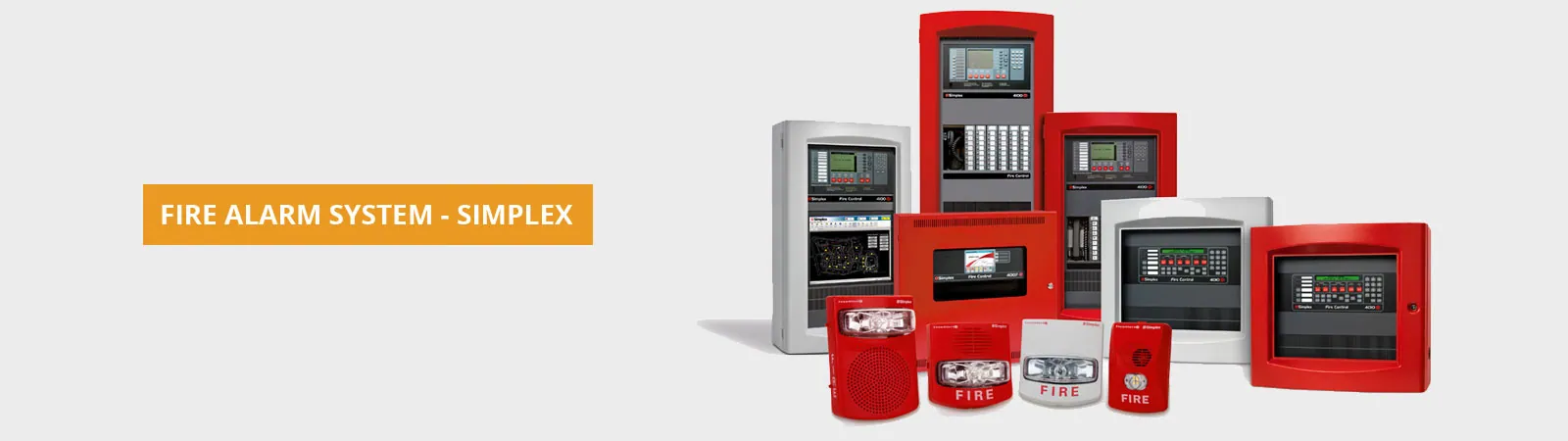
Addressable Fire Alarm Systems
The system everything else waits on — addressable panels, detectors and notification devices…
Solution detail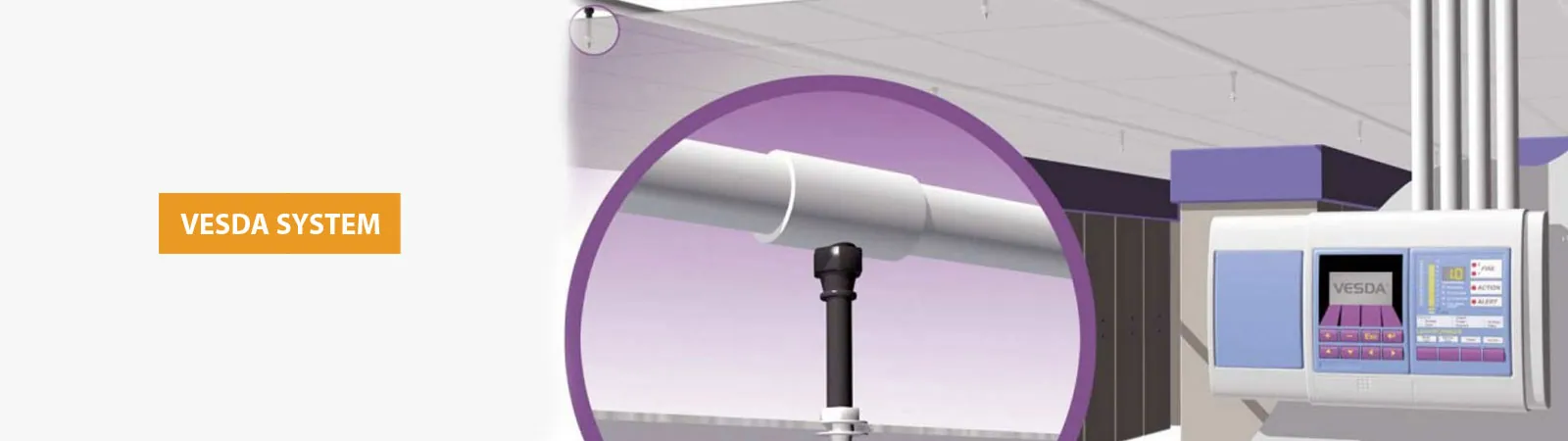
Aspirating Smoke Detection Systems
Detect the earliest signs of smoke with air-sampling technology built for critical…
Solution detailWhat the Client Was Left Holding
- As-built drawings Device layouts, zone plans and pipework runs, matching what is actually on site.
- Agent calculations The design basis for the quantity held, for the room as it was measured.
- Commissioning and test records Every device tested and signed off, including the release logic.
- Operating instructions What the panel is telling them, and what to do on an alarm and on a release.
- Equipment schedule Every item installed, by model, so spares and service are straightforward.
- Maintenance schedule What needs checking, and how often, to keep the system in service.
Have Rooms Where Water Isn’t the Right Choice?
Tell us which areas they are and an engineer will come and measure them.